The living of urban space** (well different from the comfort of livingThe subject we have discussed in a previous article is today at the centre of understandable and in-depth reflections on the future of cities**. In a planet inhabited by more than eight billion people The way we live in urban spaces can no longer be considered as just a matter of functionality or efficiency. Historically (and until relatively recent times), urban living** was associated with primary needs: defence, hygiene, accessibility to essential services. Over the centuries the concept evolved, inevitably adapting to the needs and priorities of every age. However, the complexity of the current social, economic and environmental dynamics imposes a more articulated vision.
Being part of a living city today means benefiting from an urban space that integrates environmental sustainability, accessibility to services, social inclusion and technological innovation, through indoor and outdoor environments that improve the well-being, safety and quality of life of all citizens nobody excluded.
The concept of urban 'viviability' has changed over time.The concept of urban viability has its roots in the history of cities**, evolving in response to the needs and aspirations of the different eras. In Greek polis, for example, the city was the hub of political and social life, and public spaces * agora* were designed to foster the participation of citizens and the sense of community.
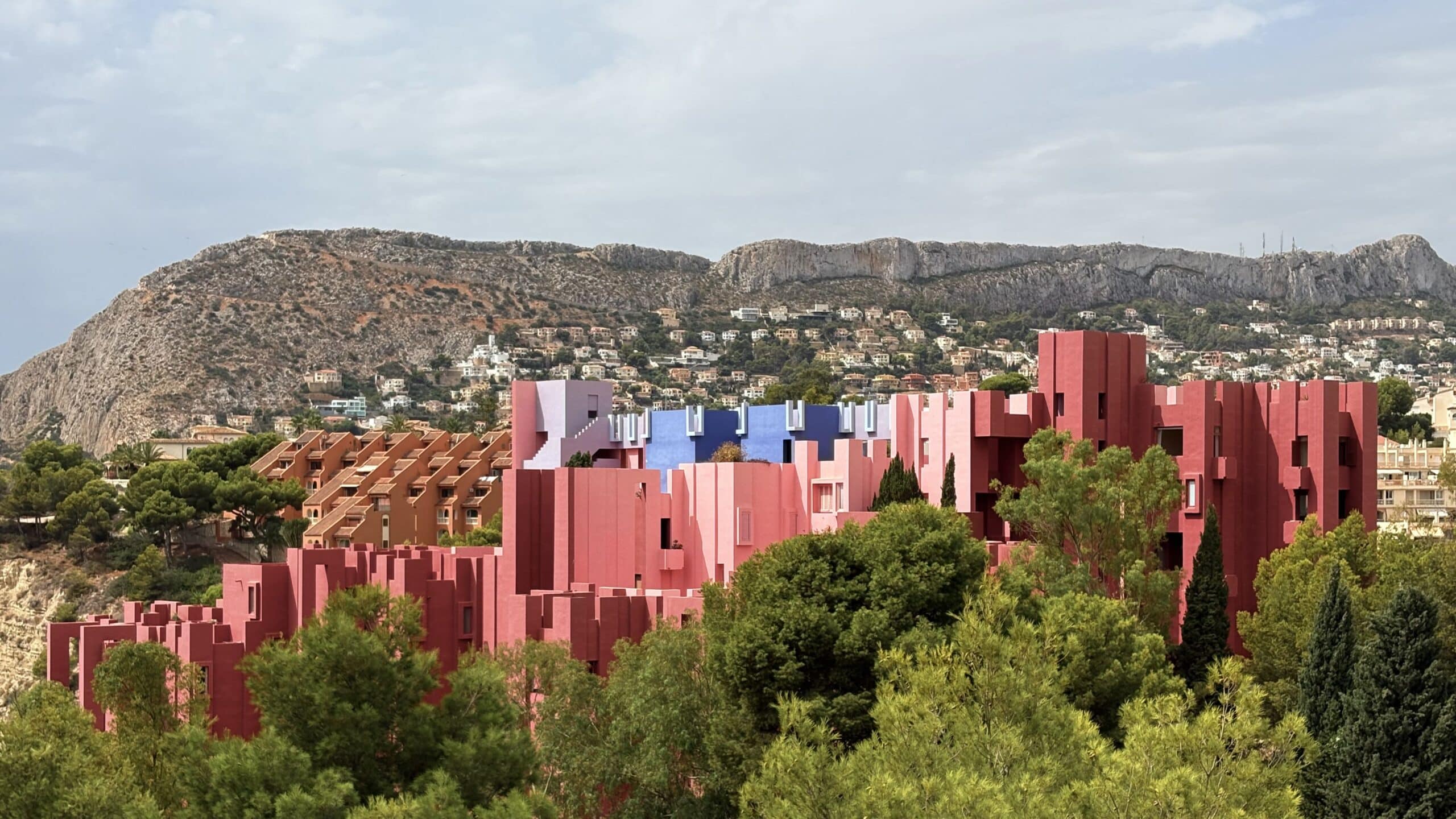
During the Renaissance, livability was interwoven with the urban aesthetics: harmonious squares, architectural proportions and a new attention to the magnificence of public spaces testifyed to the desire to create functional as well as symbolic and representative environments of a profound cultural and social evolution. With the industrial revolution and the expansion of modern cities, the urgency to improve the hygienic and sanitary conditions became a priority. Urban livability was measured in terms of the health of the air, water management and the organization of spaces to contain urban degradation** and improve the quality of life in the densely populated areas**. Today, the concept of urban living** has expanded further, embracing an even more articulated and integrated view of the quality of life. The contemporary city is in fact a multipolar system, in which environmental, social, cultural, technological and economic dimensions coexist: designing urban livable spaces means knowledge to read complexity and offer answers that take into account the sustainability, accessibility, inclusion and innovation.
The key elements of contemporary urban livability The urban living is built today through the integration of several fundamental elements, which contribute to creating healthy, inclusive, resilient and technologically advanced environments.
Accessibility and proximity to services A livable city is a city where basic services**, such as schools, health care, culture, commerce and transport, are easily accessible.city of 15 minutes• is based on this principle: every citizen should be able to access the main services within a maximum of a quarter of an hour, on foot or by bicycle. Reduce distances means increasing the quality of life, promoting sustainability and strengthening the urban social fabric.
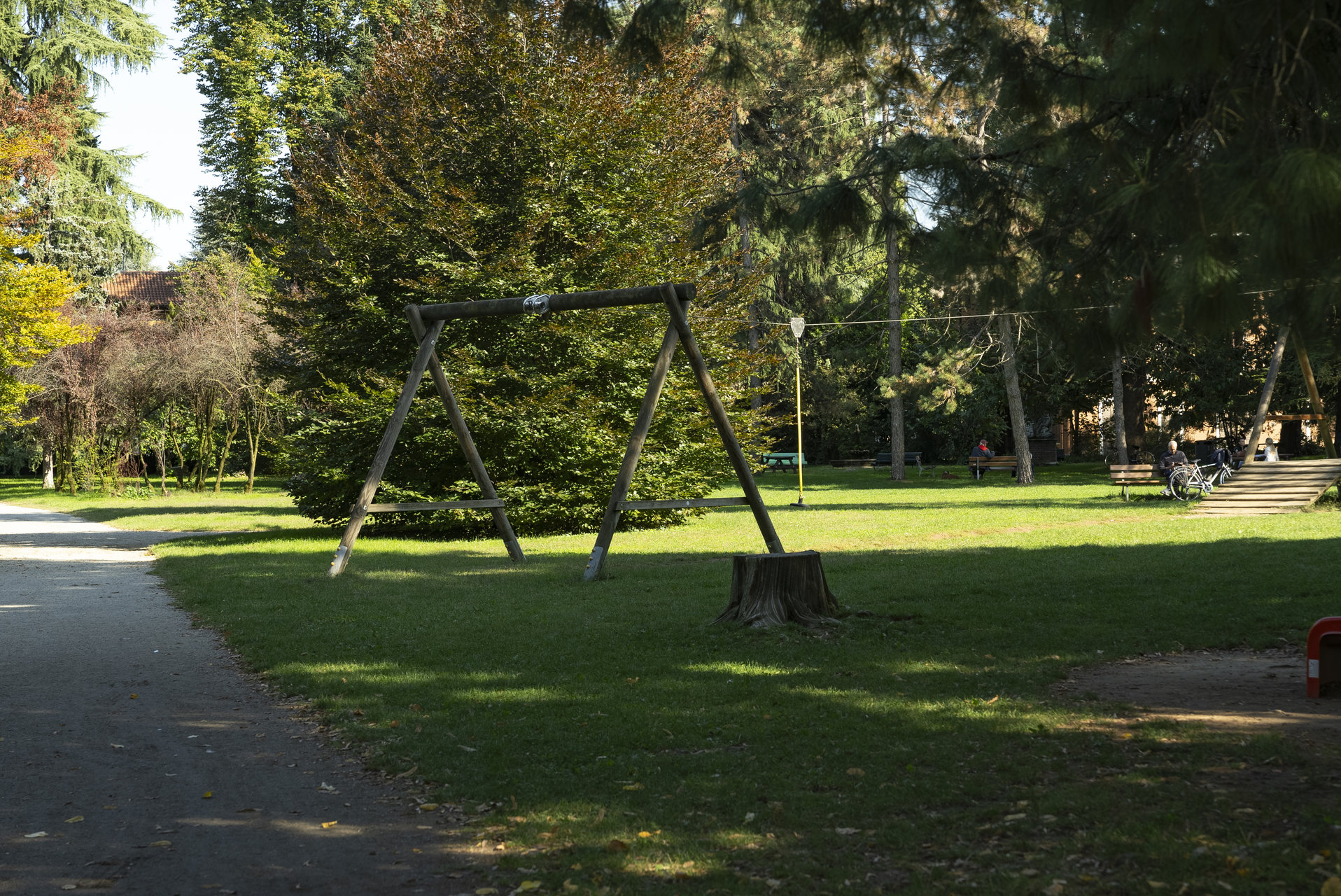
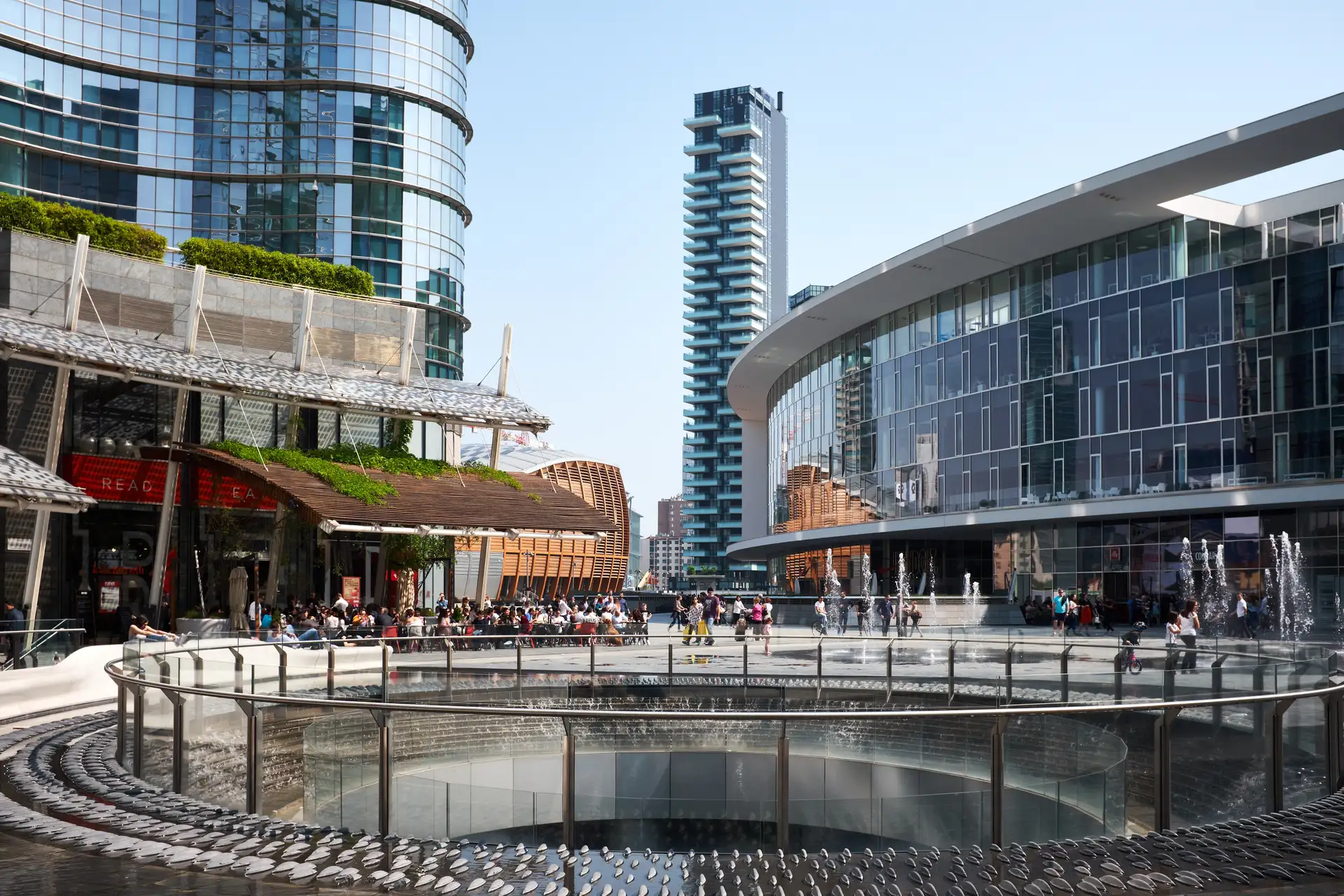
Quality and diversity of public spaces public spaces are not only areas of passage, but also real social infrastructures, places of connection between people, goods and services. A livable city invests in the quality and diversity of its public spaces, designing them to be accessible, attractive, secure and able to meet the needs of all categories of users. The presence of green areas, equipped squares, pedestrian paths and multifunctional spaces contributes to improving collective well-being and to promoting social cohesion.
Environmental sustainability and resilience sustainability It is another essential component of the modern ** ** urban life**. Cities must reduce pollution, promote sweet mobility and integrate natural and technological solutions to tackle climate change. Urban green, water efficient management, vegetation integration and resilient infrastructure design are concrete tools to improve microclimate, protect biodiversity and increase urban resilience at extreme events.
Inclusiveness and participation A city is truly livable only if it succeeds in include all social categories, paying attention to the needs of older people, children, people with disabilities and vulnerable groups. Inclusiveness is built through urban policies and participatory decision-making processes, which actively involve citizens in the design of spaces and infrastructure. In turn, participation strengthens the sense of belonging and the collective responsibility in the care of the urban environment.
Technological innovation technology Today, it offers valuable tools to improve city life. The use of smart city, big data and AI systems allows you to optimize resource management, make transport safer, monitor air quality and improve urban planning. Digital innovation, if oriented to sustainability and inclusion, can transform cities into intelligent organisms, able to dynamically adapt to citizens' needs.
How to measure the livability of urban space The urban life, understood as a complex and multidimensional concept, can be measured through a a set of indicators which analyse both the physical characteristics of the spaces and the subjective perceptions of the inhabitants.
** Urban Morphology**: the configuration of spaces affects the ease of movement, the quality of social relations and the efficiency of services. Compact cities, well connected and with accessible public spaces are more livable.
Environmental comfort: includes factors such as air quality, urban microclimate, noise level and the presence of green areas, all of which directly affect the physical and psychological well-being of citizens.
Accessibility: concerns the ease with which people can reach essential services, public spaces, workplaces and leisure, reducing inequalities and promoting social cohesion.
Multifunctionality of spaces: the most livable urban spaces are those that offer different possibilities of use, responding to the needs of different sections of the population at different times of the day or year. Evaluation of urban livability is based on quantitive measures, such as the number of square meters of green available per inhabitant, the average distance from the main services or the index of accessibility to public transport. Alongside these, however, the qualitative measures are increasingly important, which reveal less tangible but nevertheless fundamental aspects: the perception of safety, the sense of community, the degree of satisfaction with the quality of the urban space lived.
Only by integrating objective data and subjective perceptions can we obtain a complete and authentic vision of the livability of a city**.
The challenges to be overcome to achieve more livable citiesBuilding more livable cities means today facing complex and interconnected challenges, involving the environment, society, technology and resilience. From the perspective of environmental, cities must drastically reduce air and noise pollution, promote sustainable waste management practices and protect urban biodiversity. encourage the circular economy* and improving air quality are essential actions to protect the health of citizens and create healthier and resilient urban environments. Social challenges concern the urgent need to ensure fair access to essential services and quality housing. Reducing social and spatial inequalities, re-training disadvantaged neighbourhoods and promoting inclusive housing policies are key actions to build more just and cohesive cities. Technological dimension offers new opportunities to improve urban living. Investing in intelligent infrastructure, Using data to optimise public services, promote sustainable mobility and active citizen participation are all crucial challenges. However, digital innovation must be accessible and contribute to strengthening social inclusion. Finally, resilience is a top priority: cities must be able to adapt to climate change and extreme natural events through strategies for urban prevention and regeneration. Regenerate without excluding means designing safer, sustainable and inclusive neighbourhoods that can meet the needs of all sections of the population.
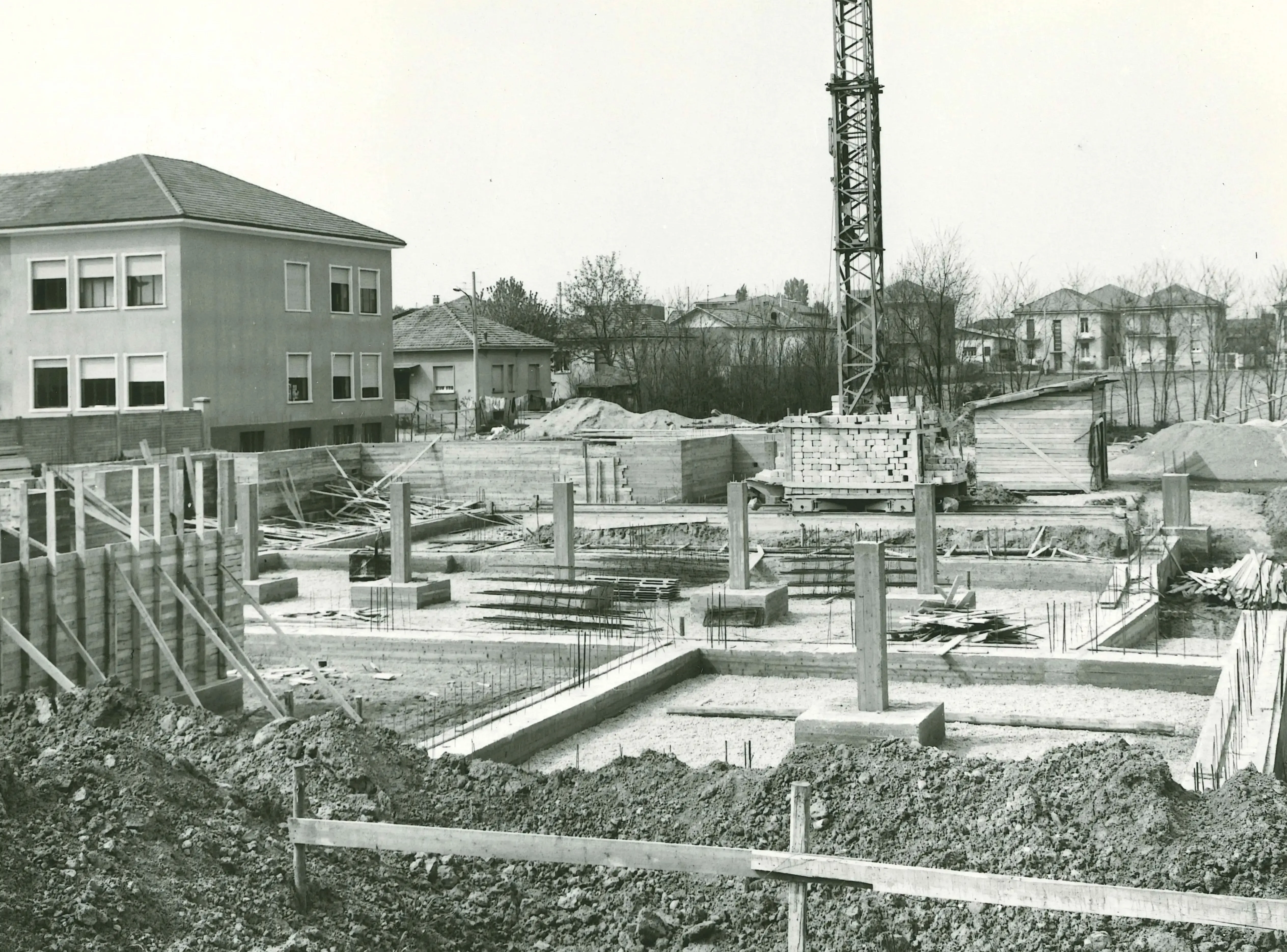
The role of construction in the living of contemporary urban spaces The building is obviously the key to improving the living of urban space, since it intervenes by its nature on the quality of buildings, public spaces and the environment built as a whole. regeneration ** construction and urban** is one of the main techniques to create healthier, safest and inclusive neighborhoods. The modernisation of existing assetsThe Commission has also been working on the development of the new system of social protection for young people. building sustainability is another essential pillar. Modern construction techniques aim to reduce the environmental impact of buildings, improving their quality and quality. Linux efficiency and promoting the use of eco-friendly materials. Actions such as the installation of energy self-generation systems, the use of renewable sources and the adoption of circular construction practices contribute not only to the protection of the environment, but also to the quality of life in cities. Finally, the Exploitation of historical heritage It is another essential element to strengthen urban identity. The careful recovery of historic buildings not only preserves the city's collective memory, but also contributes to the creation of spaces of cultural and social value, harmoniously integrated into the contemporary urban fabric.
Urban regeneration: an opportunity for a more sustainable future Urban regeneration** is therefore one of the greatest opportunities to improve the living of our cities. **re-qualification of buildings or degraded public spaces, but rather to build new forms of sociality, to promote the environmental sustainability, to create occasions of economic inclusion and to reduce inequalities.
Regeneration projects supplementing urban green, neighbourhood services, sweet mobility and multifunctional spaces show how it is possible to transform marginalised neighborhoods into vital, attractive and safe places. Recovering disused areas to return them to the community, intervening in public spaces with an inclusive approach, creating resilient infrastructure to climate change are concrete examples of how urban regeneration can ** positively affect the quality of life**. In this context, businesses such as Slaves Spa They play a central role. Through the ability to combine technical competence, design sensitivity and attention to social and environmental dynamics, Schiavi Spa contributes to the construction of more livable, more sustainable and more man-made cities. The challenge of urban livability is also a shared responsibility: designing and building better spaces means investing concretely in the wellness of present and future generations.
To view videos, enable external content in your cookie preferences.