The integration of plant elements into architectural compositions is becoming increasingly important in today's context, and the reasons for this trend are many and significant. plant elements, as Vertical gardens, green roofs and walls, help improve air quality and reduce pollution. Plants absorb carbon dioxide and release oxygen, helping to create a more healthy urban environment**. In addition, green gardens and roofs help to mitigate the island heat effect, lowering environmental temperatures and reducing energy consumption needed to cool buildings. At the same time, use of vegetation in architecture contributes to the sustainability of buildings. Green roofs and plant walls offer natural insulation**, improving energy efficiency and therefore the degree of environmental comfort. This additional insulation can reduce heating and cooling costs, improving the overall ecological footprint of buildings and promoting the use of renewable resources. To all these advantages should be added the aesthetic valorization and improvement of the visual quality of cities: the plant elements enrich the architectural aesthetics, introducing colors, textures and natural forms that contrast and blend with the surfaces of buildings. The vegetation contributes to create ** visually stimulating and welcoming spaces**, improving the aesthetic appeal of buildings and urban spaces as a whole. In addition to promoting biodiversity in contexts for obvious reasons far from nature in the strict sense, such as strongly urbanized environments, vegetation incorporated in buildings guarantees psychological benefits also for people: green spaces are associated with a reduction of stress, an improvement in mood and a greater satisfaction of living spaces. By integrating nature into the built environments, a better balance between people and their environment is promoted, contributing to healthier and more stimulating workspaces and life spaces. Finally, the use of vegetation in architectural compositions must be considered a field of innovation that stimulates creative design and experimentation. The design of integrated green spaces offers in fact opportunities to design unique and sustainable architectural solutions, pushing the boundary of creativity and functionality in building design. Among the various natural elements that can be exploited in this new way of understanding architecture there are the green roofs.
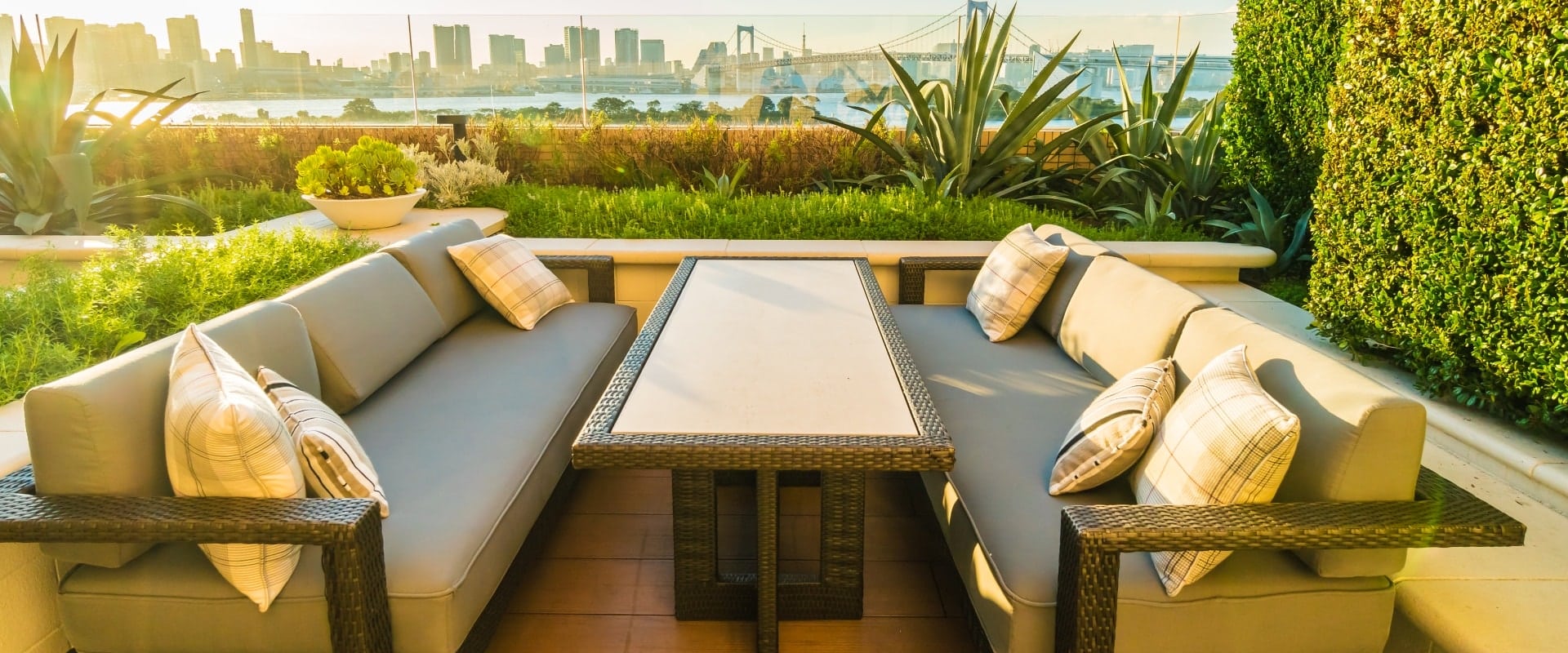
What are green roofs and what are their advantages Also known as vegetable roofs or garden roofs, green roofs are roof systems of buildings that integrate a layer of vegetation, cultivated on a waterproofing membrane and a growth substrate. In view of the variety of properties and their remarkable aesthetic and structural differences, you can choose from different types of green roofs. Here are the main:
- Extensive green roofs: they are characterized by a thin layer of vegetation and are generally cultivated with succulent plants, mosses and other low maintenance species. They are designed to be light and require little irrigation and maintenance.
- Intensive green roofs: they are characterized by a thicker layer of planting and can accommodate a wider variety of plants, including shrubs and small trees. They require a more complex irrigation system and more frequent maintenance, but offer fully usable spaces, such as gardens or recreational areas.
- Semi-intensive green roofs: combine the characteristics of extensive and intensive roofs. They have one The benefits of **sailing plant elements on roofs are considerable and numerous, and affect the environmental, energy, economic, aesthetic and social aspects.
As for the former, green roofs help to lower urban temperatures, reduce the island heat effect; absorb and delay rainwater flow**, mitigate the risk of flooding and improve water quality; and offer valuable habitats for wildlife, promoting urban biodiversity**. From the perspective of energy, improve thermal insulation of buildings, reducing heating and cooling costs and extend the longevity of the waterproofing membrane, reducing the need for repairs and replacements.
From the economic** point of view, they can increase the market value of the buildings and produce of course the reduction of energy costs long term thanks to improved insulation. Finally, the green roofs enrich the aesthetic of buildings and urban areas as a whole, offer green areas and recreational spaces in congested environments, and contribute to the emotional well-being of the occupants and residents, because they give a direct contact with nature.
To properly implement green roofs, it is obviously essential to have a accurate design in order to ensure the correct integration of the building with the existing structure • as well as to manage the ** drainage and irrigation needs**. Moreover, it should not be forgotten that, being •live elements, the garden roofs require appropriate maintenance to keep the plants in good health and allow an optimal functioning of the drainage system.
The economic factor** often plays a key role in the choice of whether or not to install these elements in coverage but, although the initial costs may be higher than other solutions, the long-term benefits** undoubtedly justify investment in an intervention done in a d'arte-friendly manner.
The role of green roofs in cities of the future The green roofs are emerging as one of the key solutions to ** face the ** Environment and urban challenges of the future**Their integration into the cities of tomorrow promises to transform the urban landscape and improve the quality of life of the inhabitants and the reasons are essentially linked to the advantages of such installations, which we have indicated above. With the global heating and theexpansion urban, cities are experiencing a growing increase in temperatures compared to the surrounding areas. Green roofs can significantly help mitigate this phenomenon, as vegetation absorbs and retains heat, reducing surface temperature and improving urban microclimateIn addition, cities will face ever greater challenges in rainwater management** due to extreme weather events and soil waterproofing. Green roofs help to retain and filter rainwater, reducing the outflow and risk of flooding.
In addition to an optimized management of water resources** and an improvement in water quality**, garden roofs can also contribute to urban air cleaning** by absorbing carbon dioxide and other pollutants while releasing oxygen; and to promoting greater resilience of buildings and infrastructure** in the presence of extreme weather events (now increasingly widespread worldwide).
Best examples of green roofs in the world Besides the well-known Bosco Verticale di Milano, green roofs are gaining worldwide popularity for their environmental, aesthetic and functional benefits. Among the emphasic examples that demonstrate how these systems can be integrated into the different urban and architectural contexts include:
- The Pensine Garden of the Museum of Natural History in London: located above the Museum of Natural History in London, this green roof is made up of grassy and shrub plants that reflect the architecture of the building. The roof is visible from different areas of the museum and helps to integrate green into the urban context: in addition to improving the aesthetics of the museum, it offers a space for observation of nature and contributes to the management of rainwater.
- The Green Roof of the Berlin Parliament: the Reichstag is known for its green roof, designed by Norman Foster. The roof is equipped with a garden and a panoramic public space, accessible to visitors. The roofing plants help to keep the building cool and manage rainwater. The advantages are in this case at least three: reduction of the thermal load on the building, creation of an additional public space and improvement of the sustainability of the building.
- The Green Roof of The Edge in Amsterdam: The Edge, a well-known sustainable office building, is characterized by a green roof that contributes to eco-friendly architecture. The roof houses a variety of plants and contributes to rainwater management, as well as improving air quality, reducing environmental temperatures and increasing the energy efficiency of the property.
- The Green Roof of the Cultural Centre of Chile in Santiago: it was designed as part of a cultural centre that promotes Chilean art and culture. The roof houses a series of local plants and creates a space for outdoor cultural events: in addition to ensuring the promotion of green culture, improves the quality of the air and offers a multifunctional space to the community.
- The Green Roof of the Mississippi River in St. Louis: The Kiener Plaza is an example of how green roofs can be used in public spaces. The green roof of this building offers a relaxation and reflection area for citizens, provides a green space in the city centre, reduces the environmental impact of the property and contributes to rainwater management.
To view videos, enable external content in your cookie preferences.