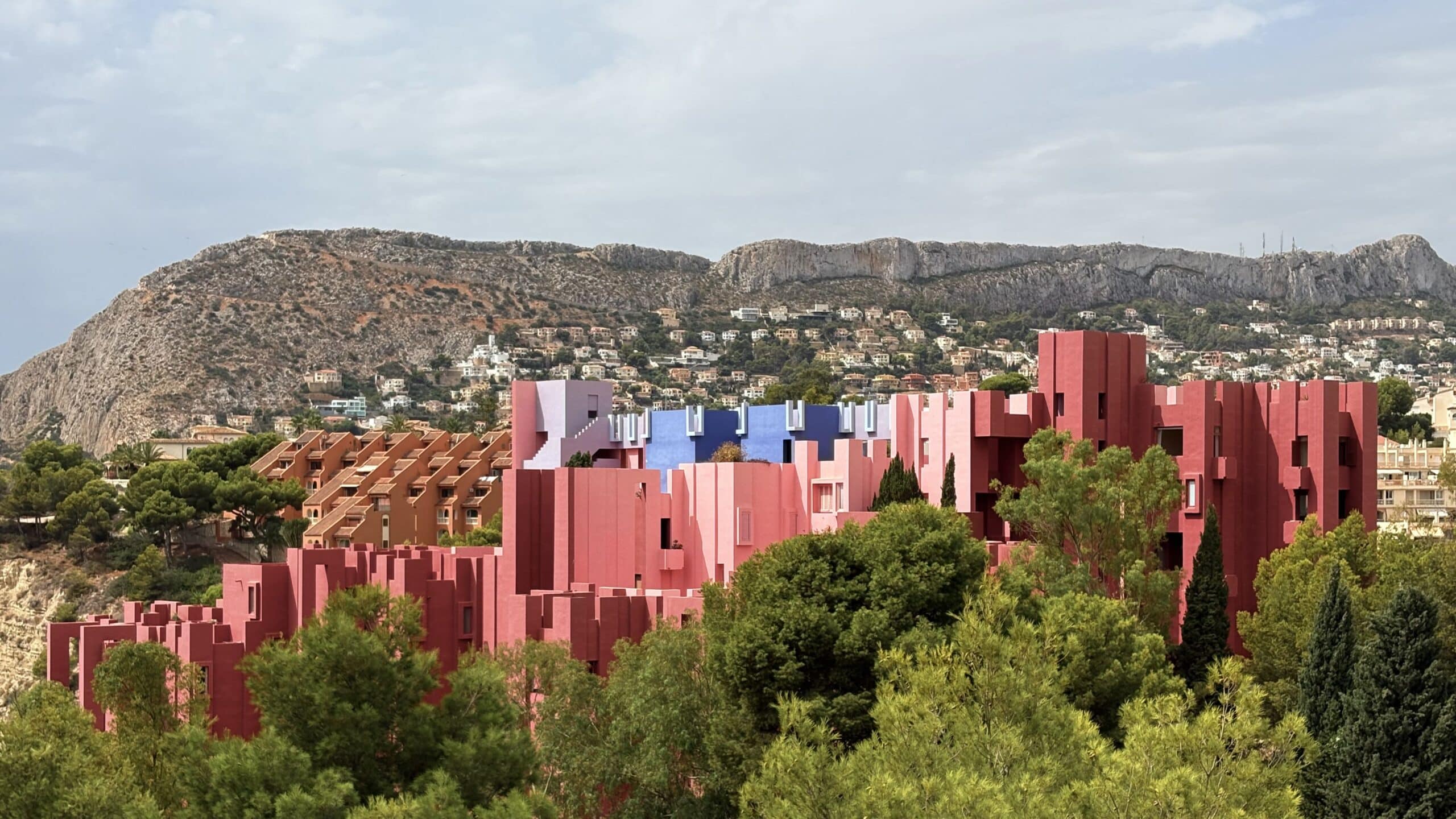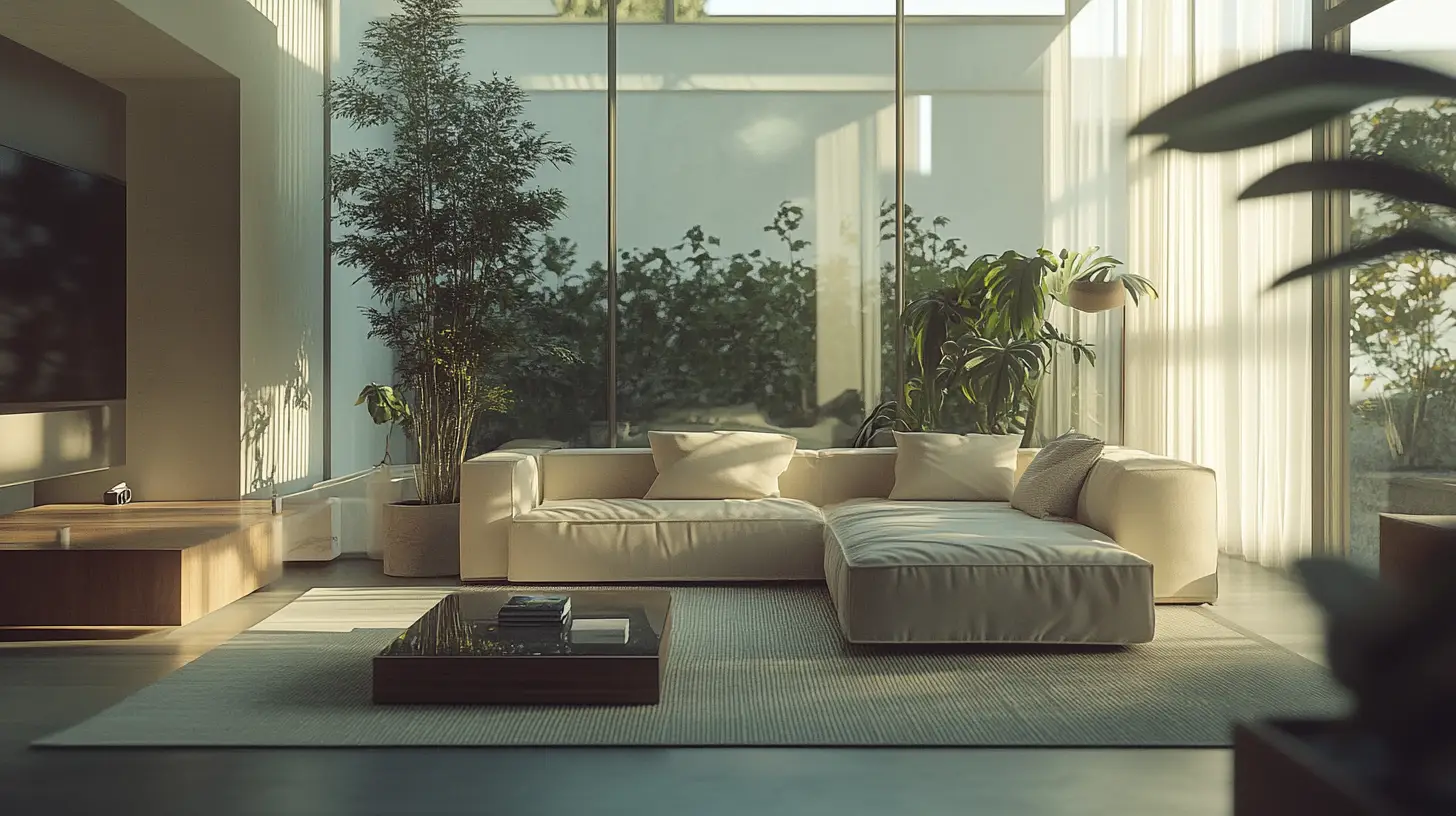
In recent years, the concept of "abitative comfort"** has become increasingly central in the design and organization of home spaces. It can be defined in a simple way as the state of balance between different factors ... physical, technological and aesthetic ... which make the domestic environment not only functional, but also welcoming and pleasant, it contributes in a concrete way to the psychological well-being** of the home.
The growing interest in housing** reflects changes in modern society, for which the house is no longer just a place to live, but a place to live. multifunctional space This is why it is essential to respond to increasingly complex needs: remote work, relaxation and socialisation and even environmental sustainability. In an era characterized by frantic rhythms and climate change, creating a home environment that promotes health, energy saving and serenity.
What is meant by modern living comfort As mentioned, modern living comfort** can be defined as an optimal balance between physical, technological and psychological factors** which transform the dwelling into a place capable of responding to the real needs of those who live it. It is not only a matter of having a functional home, but rather of creating an environment that promotes the well-being, health and quality of life**.
Far from being a unique concept, housing comfort is a combination of several aspects:
- ** Thermal comfort**: one of the main elements for well-being is the regulation of the indoor temperature of the domestic environments. The thermal comfort depends on the capacity of the home to ensure an adequate indoor climate in every season, thanks to efficient heating systems in winter, effective and sustainable cooling solutions in summer, and a thermal insulation designed to reduce energy losses and maintain the ideal temperature.
- Audio comfort: silence or noise reduction are essential for relaxation and concentration. In a home, optimal sound insulation can be achieved through high performance fixtures, sound-absorbing materials and devices that help reduce noise inside, such as particularly silent appliances.
- Visible comfort: The quality of light also has a profound impact on well-being. Appropriate lighting necessarily includes natural light (with the help of large windows and strategically positioned to maximize daylight), artificial light adjustable (with lighting systems that adapt to different daily activities) and the choice of colors and materials that amplify the brightness of the spaces.
- Ofactive comfort: often overlooked, olfactory comfort essentially concerns the quality of the indoor air. A healthy environment requires air ventilation and purification systems, the use of non-toxic and potentially harmful materials, as well as the elimination of bad odors through the effective management of possible moisture and mold.
Technology plays a key role in redefining the concept of modern living comfort. Smart systems such as home automation and solition for intelligent home allow you to manage temperature, lighting and even air quality in an intuitive and centralized way. Among the many examples available today we can mention intelligent thermostats, which optimize energy saving; sensors for continuous monitoring of temperature and humidity; or advanced air filters to ensure healthier environments.
Because living comfort is increasingly important The increasing importance of housing comfort is connected to various factors, such as the well-being of the person, the current strategies of environmental sustainability and the evolution of social habits. From the perspective of the well-being of the person, it should be remembered that a comfortable home environment not only guarantees better sleep quality thanks to optimal thermal and acoustic conditions, but also helps to reduce stress and improve overall physical well-being. The house must also be interpreted as a psychological shelter**: a place to relax, recover energy and, increasingly often, work or study. The presence of well designed and functional spaces can promote concentration and productivity, without compromising relaxation and serenity. Also the theme of the climate changes and the growing environmental awareness The increase in global temperatures and extreme weather events has had a significant impact on the importance of living comfort. Today, housing needs to offer protection and stability. This has led to increased attention to sustainable technologies and innovative materials, capable of improving internal comfort and reducing environmental impact. The adoption of advanced solutions for thermal insulation and increasingly advanced systems for energy saving is both beneficial for the well-being of the person and for a more sustainable future. Finally, the new lifestyles have further highlighted the importance of more versatile and suitable homes for different needs. As the smart working system increases, many people spend more time in the house, making the presence of multifunctional spaces essential. As a result, modern homes are no longer designed as simple places to sleep and spend free time, but as complete spaces, able to accommodate work, leisure and social activities. This transformation has placed the emphasis on the design of environments that favor general well-being, not only through aesthetics, but also with design and construction solutions of new conception. Ultimately, it is possible to affirm that the comfort housing is today an indispensable priority to meet the needs of contemporary life. The health, the sustainability and the new functional needs coexist in a balance that defines both the present and the future of everyday life. A comfortable home thus becomes an essential element to face different challenges of our time.
The elements that contribute to modern living comfort The amenities are called to transform the house into a functional environment, pleasant and capable of responding to contemporary needs.To achieve this goal, it is necessary to involve the synergistic design and architecture innovative materials, technology and energy efficiency**.
To begin with, design and architecture play a crucial role in optimising living spaces. Intelligent design favours the functional distribution of environments** and the use of natural light, which not only improves the aesthetics of spaces but also positively affects psychological well-being and productivity. living balconies, the presence of plant elements and, more generally, any architectural solution that favours the continuity between interior and exterior These are concrete examples of how design can positively influence quality of life. Another key element is the innovative and sustainable materials**. The use of eco-friendly materials, such as certified wood, recyclable insulating panels or the These materials not only improve thermal and acoustic comfort, but also help to create healthier and safer environments. Smart technology has revolutionized the concept of living comfort, making it possible to control various aspects of the home. Domotics systems allow to regulate lights, temperature and air quality in an intuitive and often automated way, improving efficiency and reducing energy waste. Smart technology has also revolutionized the concept of living comfort, making it possible to control the environment. Devices such as smart thermostats, voice assistants and advanced air purifiers have become key elements for creating increasingly comfortable and performing home environments. Finally, special attention is now devoted to energy efficiency**, an essential element to ensure sustainable living comfort. The effective ** thermal and acoustic insulation** is indispensable to maintain a stable internal temperature and protect the inhabitants from external noises, while the latest generation heating and cooling systems ensure optimal performance against a low energy consumption**. The integration of energy generation systems from renewable sources, such as solar panels, adds an additional level of sustainability to modern homes.
Living comfort and the future of housing In addition to being a response to current needs, housing comfort is also a essential director for the future of housing as emerging trends, challenges to be faced and a long-term vision converge towards a common goal: to create environments that combine well-being, sustainability and innovation. Regarding trends, attention to holistic well-being** is growing more than ever, which considers the house not only as a physical place, but as a space tout-court capable of responding to the emotional, psychological and social needs of people. The design of the spaces evolves to integrate design with advanced technologies, such as home automation and artificial intelligence, which customize the functions of the house according to the needs of its inhabitants. In addition to the aspect of functionality, the attention is also directed to the ways in which spaces favor relax, concentration and connection with nature, often through the use of innovative materials and environments that create continuity between interior and exterior. However, there are significant challenges to be faced to make the comfort living really accessible. One of the main ones is, of course, cost-related: technologies and materials of the latest generation, often indispensable to guarantee maximum comfort, are still honorous for many families. This highlights the need to develop cheaper solutions and to encourage policies that promote the improvement of living spaces even in the less privileged contexts. At the same time, it is essential to educate consumers on the importance of housing comfort, in particular as an investment for their own well-being and health. Looking to the future, long-term vision focuses on reliable and sustainable housing. The houses of tomorrow will have to be able to adapt to climate change, offering protection and comfort even against ever more unpredictable environmental conditions. This need will require a continuous evolution of materials and technologies, and the introduction of more efficient and environmentally friendly solutions. self-repairing materials, the use of integrated renewable energy and intelligent resource management systems will be the basis of the homes of the future: spaces designed to improve every aspect of human life, which contribute to creating a more sustainable and man-made world**.
To view videos, enable external content in your cookie preferences.