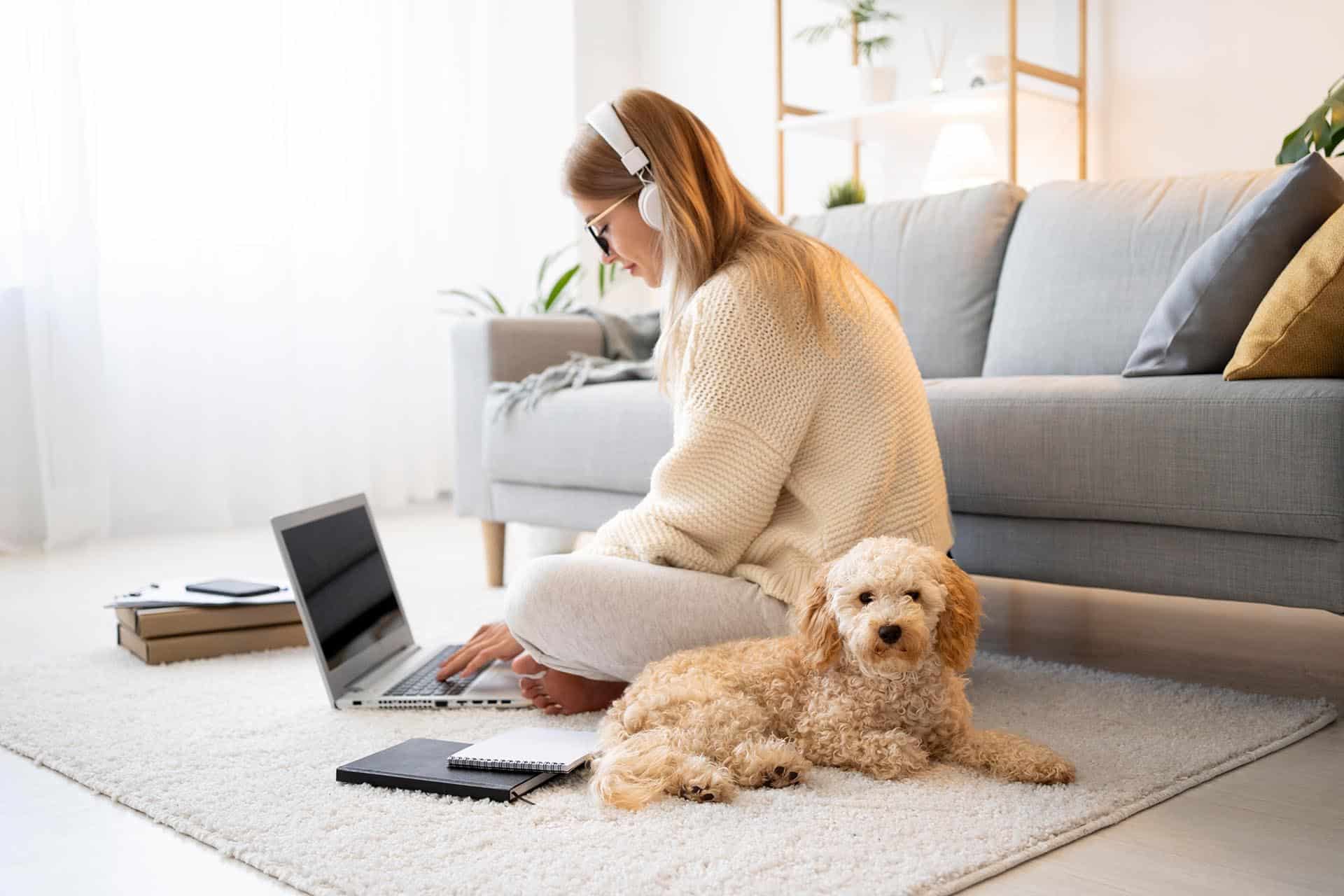
According to an article The Italians who choose to share their lives with the domestic animals** are quite numerous, so that in 37.7% of the families there are one or more four-legged friends**. This is a trend that has even growth of 4.6% compared to 2023: to date, well the 41.8% of our compatriots live with a dog and 37.7% with at least one cat. These, very briefly, are the data reported following a recent research of theEurispes, the Report Italy 2024Ipsos, another well-known market research company, also underlines another very important fact: for the 79% of the owners, pets are in all and for all family members. How does this great love for pets translate into the ** house search**? And how does the need to guarantee an optimal level of well-being to four-legged friends influence the Italian real estate choices?
The importance of outdoor spaces for those living with a pet One of the most important aspects in the choice of a home for those living with a pet** is the availability of one** external spaceThis is particularly true of the dog owners, animals that, as is known, need the possibility to move and play outdoors. In addition to the size of outdoor spaces, future owners of the property tend to evaluate also the security factor: adequate fences, safe gates and the absence of dangers such as toxic plants or spaces from which animals can escape are factors that determine the choice of a dwelling rather than another. In strongly urbanized contexts, where the availability of private outdoor spaces is more limited, it is instead the closeness to parks or green areas to be considered a fundamental criterion by many dog owners. For those who live with one or more cats the need for a garden may be less pressing, but the presence of secure balconies or well-organized interior spaces to satisfy their curiosity and the need to climb will be considered equally relevant. In fact, if, it is common and understandable, the choice of many families not to allow the cat to wander freely outdoors  in a world    fit of man        free animals hardly run any danger! • it is equally true that more and more people choose to install nets or protections on balconies to allow their cats to enjoy the outdoors without risk**.
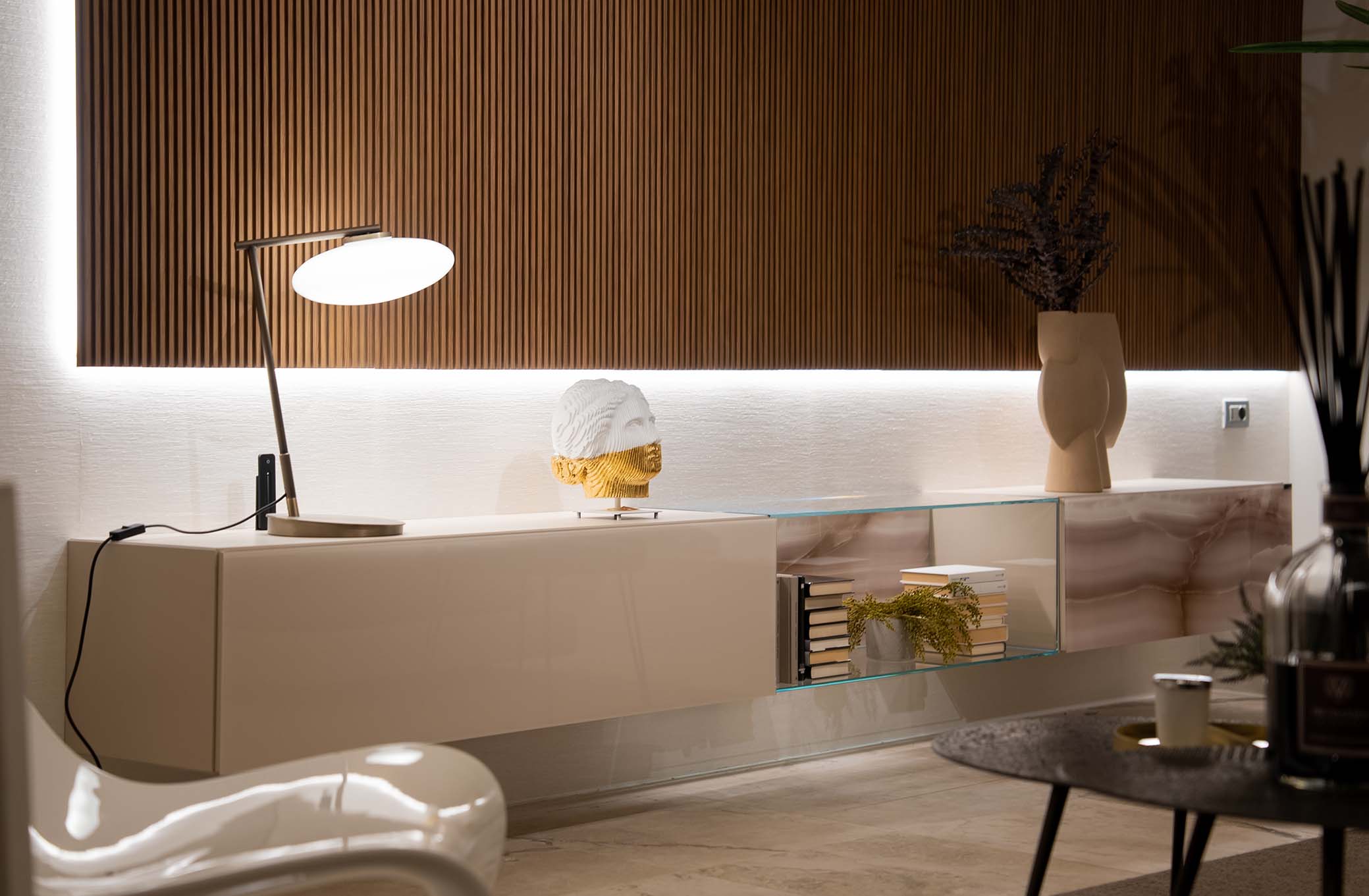
The configuration of interior spaces: space and flexibility In addition to the outer space, the configuration of interior spaces of a house plays a fundamental role in the choice of a dwelling for those living with pets. Large dogs, for example, need spacious environments, where they can move freely without feeling forced and without affecting the daily activities of their human family. Also the choice of materials for floors and surfaces can be influenced by the presence of an animal: scratch-resistant and easily cleanable coatings are, for obvious reasons, preferred compared to those delicate or difficult to maintain.
In addition, indoor environments must be able to be organized in order to ensure that the animals have spaces totally dedicated to them: comfortable berths, corners for games and bowls placed in easily accessible places. For the cats, the verticality of the space is as important as the floor area trampled; suns, multi-level scratches and other furnishing elements that allow them to climb and observe from above are much appreciated by the felines and their owners.
The proximity of animal services can influence the value of the buildings To the many discriminations listed so far, another very important aspect in the search for a house for those who own pets: the nearness to dedicated services, such as veterinary clinics, pet shops, pets and grooming facilities. The possibility of easy access to these activities is undoubtedly a great advantage for owners, especially in emergency situations or for the daily management of the needs of the animals. In many Italian cities, the presence of animal services can even influence the value of the real estateUrban or extra-urban areas well served by veterinary clinics** or with the presence of pet shops and dedicated facilities tend, as noted, to be more coveted by those who own pets. In view of these needs, some ** real estate agencies have begun to specialize** in the proposal of housing that specifically respond to the needs of animal lovers, offering tailored advice for this complex market segment.
The impact of condominium policies for pet owners For those who are insurmountable or choose to purchase • an apartment in** condominium, the presence of a pet can further complicate the search. Despite the Italian law provides that the condominium regulations can not prohibit the holding of pets, there are still situations in which the internal regulations can limit the freedom of the owners of animals. An example? Are not rare the condominiums that still impose restrictions on the common spaces, such as the use of lifts or the presence of animals in the green areas condominiums.
We are talking about limitations that can significantly influence both the choice of the house and the daily life, and that push many animal owners to opt for habitation solutions in more flexible contexts or, if possible, for independent housing that guarantee greater freedom. However, in recent years there has been a gradual but progressive cultural change that has led many condominiums to adopt more pet-friendly policies, encouraged also by the growing demand for housing suitable for those living with pets.
Pet-friendly families? Here's what the real estate market says The attention to the needs of pets has a significant impact on the** real estate marketReal estate agents, aware of the importance of this factor, are in fact changing the way they propose houses to potential buyers or tenants: property descriptions increasingly include specific information about the presence of spaces suitable for animals, such as gardens, balconies, terraces, courtyards or well-organized interior areas for life with a dog or cat. Also, a market segment specific for pet-friendly homes is emerging, where the properties are designed or adapted to have characteristics that meet the needs of family with pets. These homes can include gardens with fenced areas, easy access for dogs and cats or even niches where to integrate kennels and cuckoos. To understand why more and more real estate agencies choose to calibrate their services (also) on families with pets, they are particularly noteworthy. data from a recent survey The result shows that over 60% of those who own an animal have been affected by the presence of their pet in the choice of the house, whether for rent or for sale. Even those who do not yet have a pet, but want to be able to adopt or buy one, often find themselves at do not have the appropriate spaces to welcome it. The analysis also showed that Italians who love animals have taken into great consideration some specific characteristics in the search for a property:
Over 57% opted for a house with garden
About 25% preferred a house with balcony or terrace
** 10%** sought a more spacious dwelling than the previous
** 9%** chose a house near a park or a public green space Even those who did not choose the property according to their pet still express the desire to find, in the future, a house with a private outdoor space (49.8%), a larger house (12.6%), or even a house outside the city (7%). We discover then that about half of those who do not own a pet ** want**, but is restrained in adoption because they live in a house that does not have adequate spaces. In addition, 18% would like a four-legged companion, but it is limited by the fact that they live for rent and the owner does not accept animals. As for the above pet-friendly houses, the survey indicates that those who live with a pet show a clear preference for the following types of housing:
Three-room apartments (35.8%)
Two-room apartments (approximately 25%)
Independent houses (20%) The vast Most pet owners (86%) live in houses with access to a private garden, terrace or balcony, and 94% have made these spaces accessible to their pets, for example by protecting the balcony for cats. More specifically, there are numerous owners who have made changes to their home to make it more suitable for their pets:
34% installed protective measures
16% dedicated spaces exclusively to animals
15% added facilities to play animals
8% purchased pet-friendly furniture, such as stain-resistant or scratch-resistant chairs ** 20% less** of the owners limits the access of the animals to some rooms of the house. In these cases:
12.6% does not allow access to the bedroom
10.3% forbids bathroom
7.6% excludes cooking
About 4% does not allow access to the stay These data confirm how much the presence of a pet is a decisive factor in the housing choices of Italians, and how much it affects not only the type of house, but also the arrangement of the spaces and the modifications made to the property to guarantee the welfare of the four-legged friends. In the future, it is likely that this trend will consolidate further, with an increase of the requests for houses that ensure a ** safe and comfortable environment for pets**. This could reverberate even in a greater attention to sustainability, with the creation of green spaces shared within urban contexts, designed not only for people but also for their four-legged companions.
To view videos, enable external content in your cookie preferences.