Discover how interior design can improve the coexistence of couples: harmonious spaces, open space, comfort and modern solutions to live together with balance. The home is the place where a couple builds habits, balance and everyday moments.For this reason, interior design no longer only concerns aesthetics and functionality: it concerns the way we live together.
In contemporary apartments, often more dynamic and multifunctional than in the past, spaces must be able to promote personal sharing and well-being at the same time. Smart working, fast paces, need for privacy and desire for conviviality coexist in the same home environment.
The design of the interiors of apartments "modern" comes from this very need: creating cozy, fluid and harmonious houses, capable of improving the quality of everyday living. From the open space kitchen to the bedroom designed as an emotional retreat, every design choice can influence the way a couple lives the spaces and relationships.
Cucina e living: the spaces of sharing In today's houses the kitchen is no longer a separate environment. It has become the center of daily relationship: the place where you talk after work, you cook together and share small domestic rituals. Therefore the open space living is one of the most loved solutions by contemporary couples. Eliminating divisions creates visual continuity and makes the house brighter, more convivial and fluid.
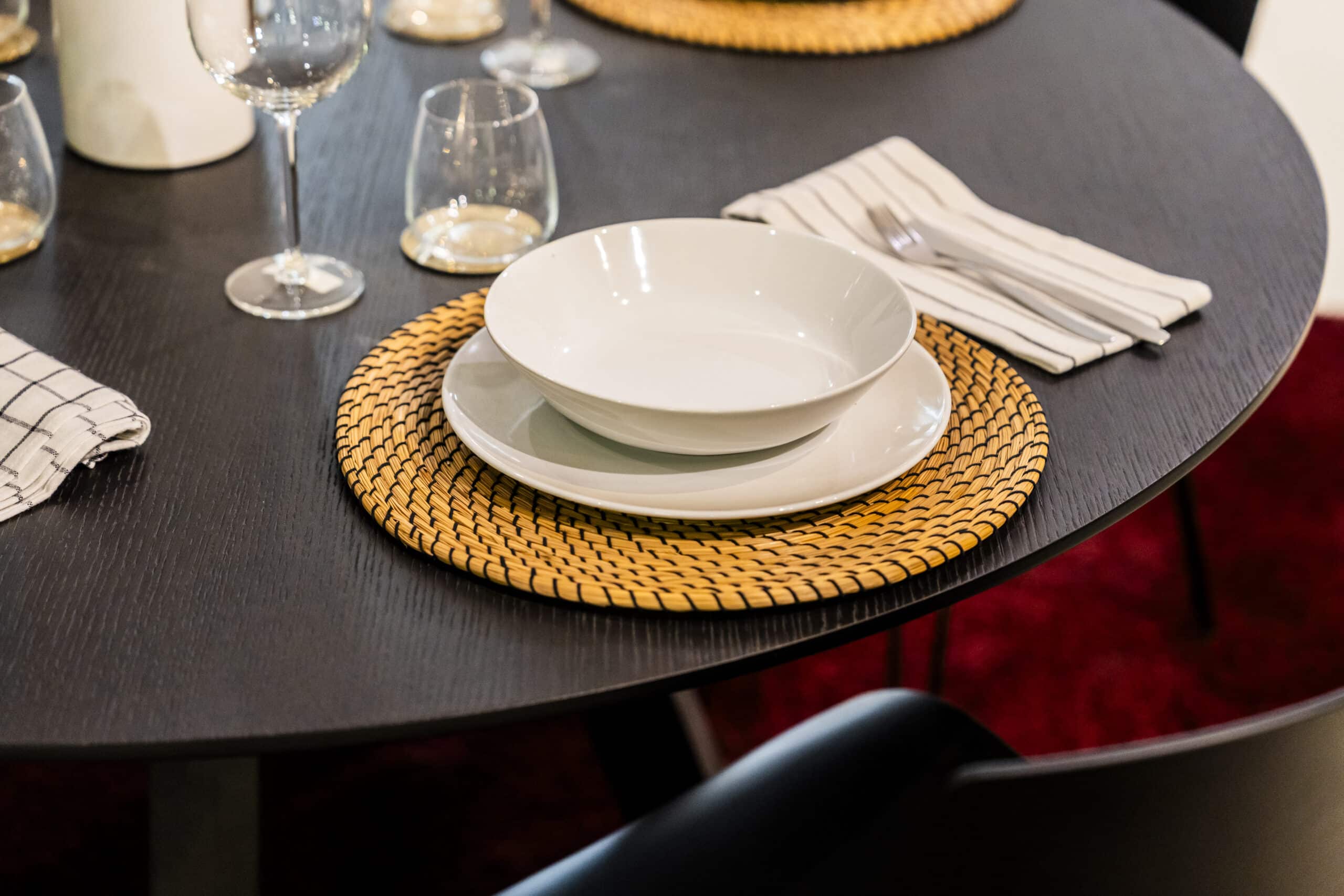
A house that promotes dialogue Open spaces help to live the domestic spaces more spontaneously. Even during different activities, people remain connected: one in the kitchen, the other works, reads or relaxes on the sofa, while maintaining a feeling of proximity. In small or medium sized apartments, this solution also allows to visually expand the spaces and improve daily living. Elements such as:
- Central island;
- a table with a convivial character;
- hot lighting;
- clean lines furnishings; they transform the living area into a more human and relational space.
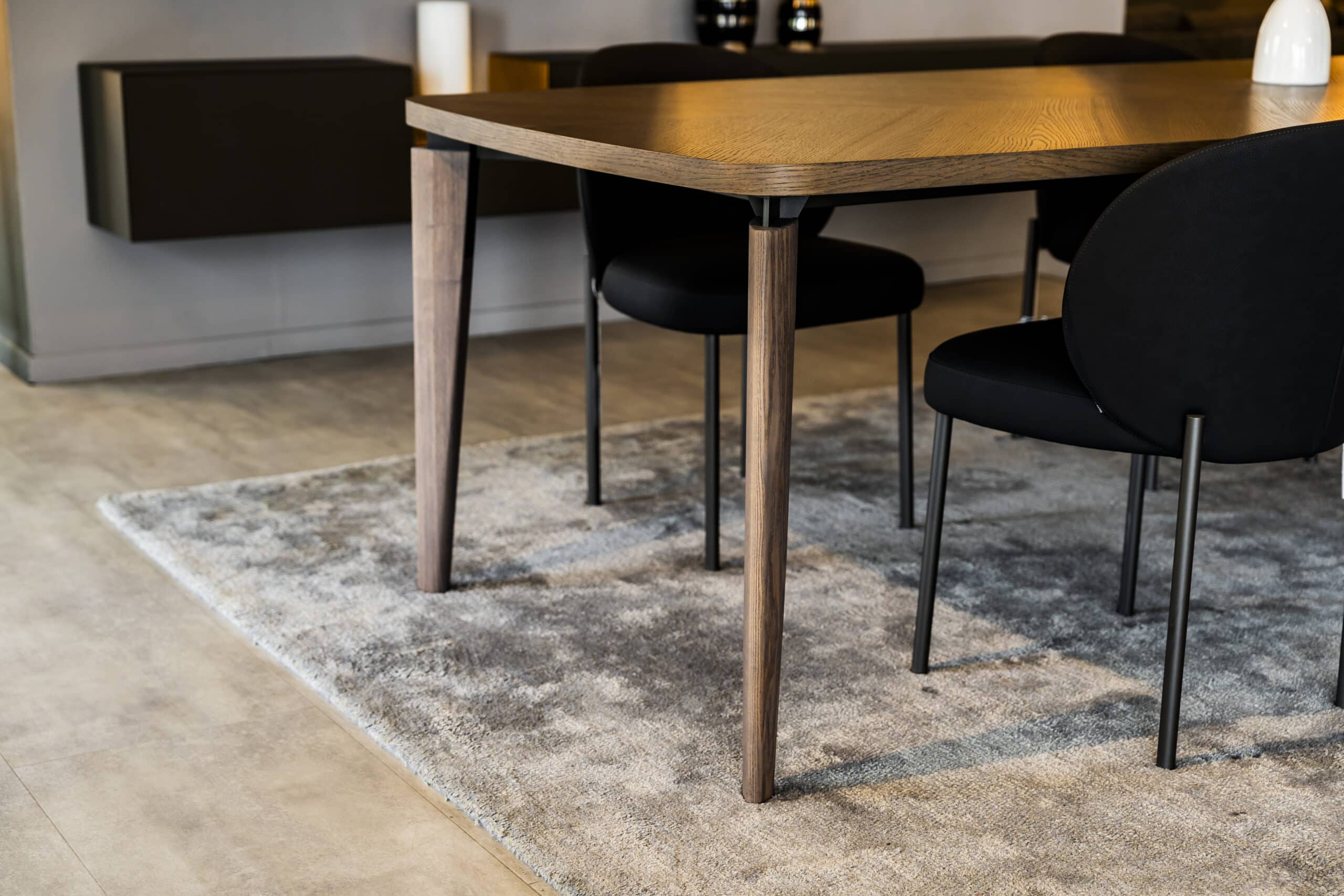
Comfort and organization in the life of a couple Living together also means finding a balance between different needs. This is why contemporary design focuses on functionality and visual order. Hanging wall units, storage units and space-saving solutions help reduce daily chaos and improve home serenity. A well-organized home helps to reduce stress and tension in the management of shared spaces.
natural wood, soft fabrics and neutral colors make the environments more relaxing and welcoming.
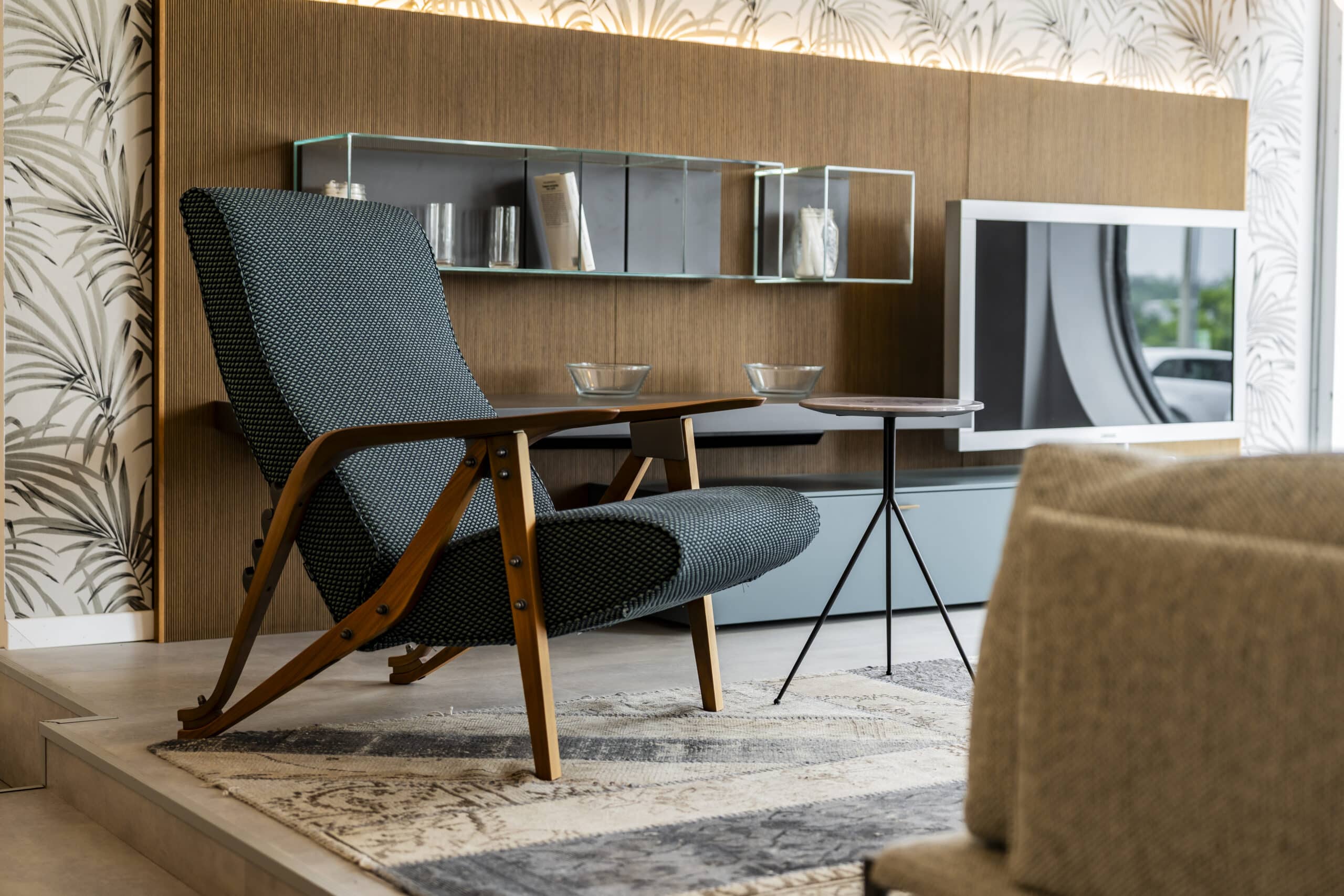
Bedroom: an intimate space to be built together The bedroom is not just a functional room. It is an emotional space, designed to slow down and regain balance. In couple life, having an environment capable of transmitting calm and comfort becomes fundamental, especially in an increasingly hectic everyday life.
** Relaxing atmospheres and natural materials** Contemporary trends favour:
- neutral palette;
- soft lighting;
- natural fabrics;
- essential lines;
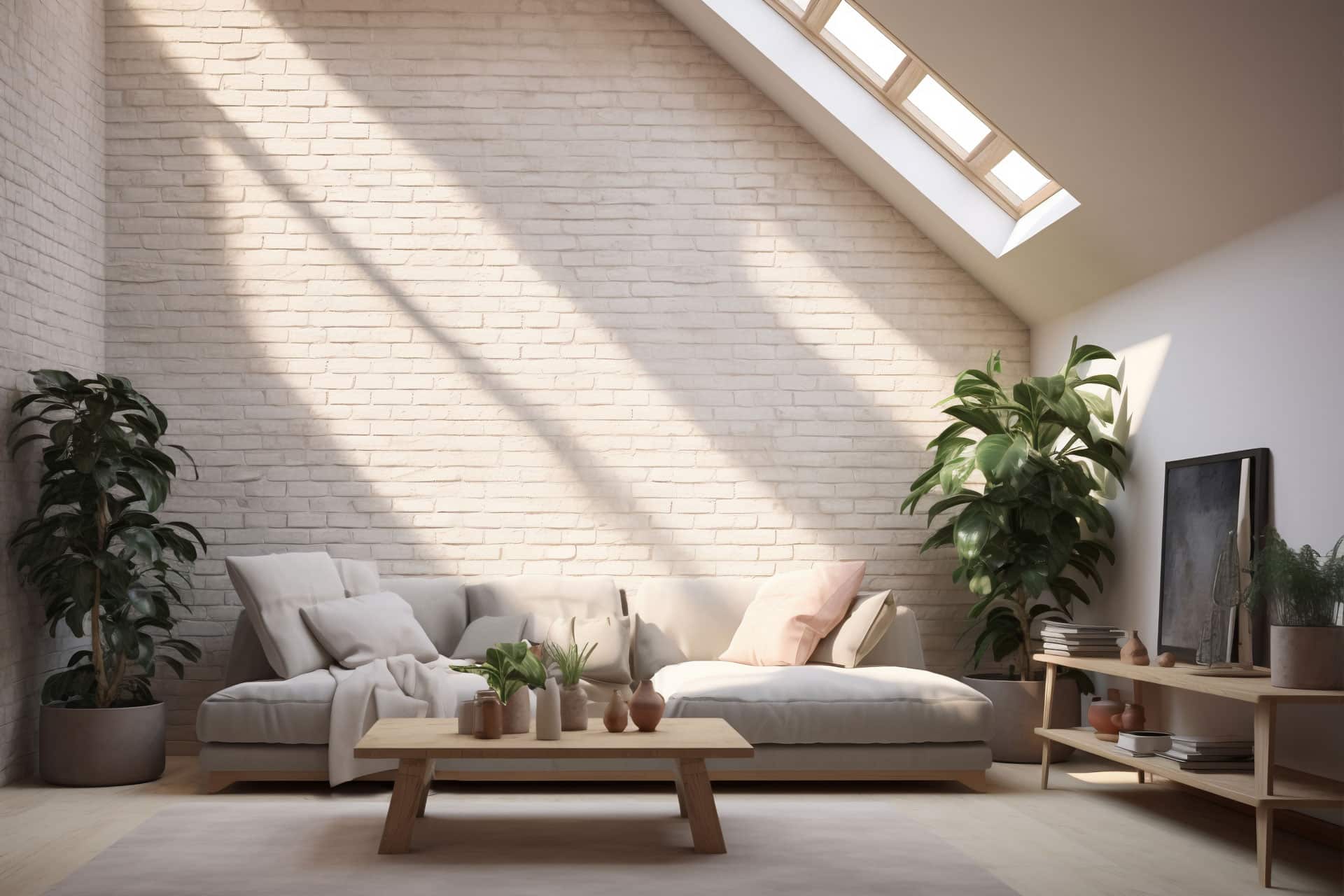
- warm materials. Colours like dove, beige, warm white and soft grey help create a relaxing and timeless atmosphere. More and more couples also choose minimal but personalised furnishings, capable of telling shared identities without weighing down the environments.
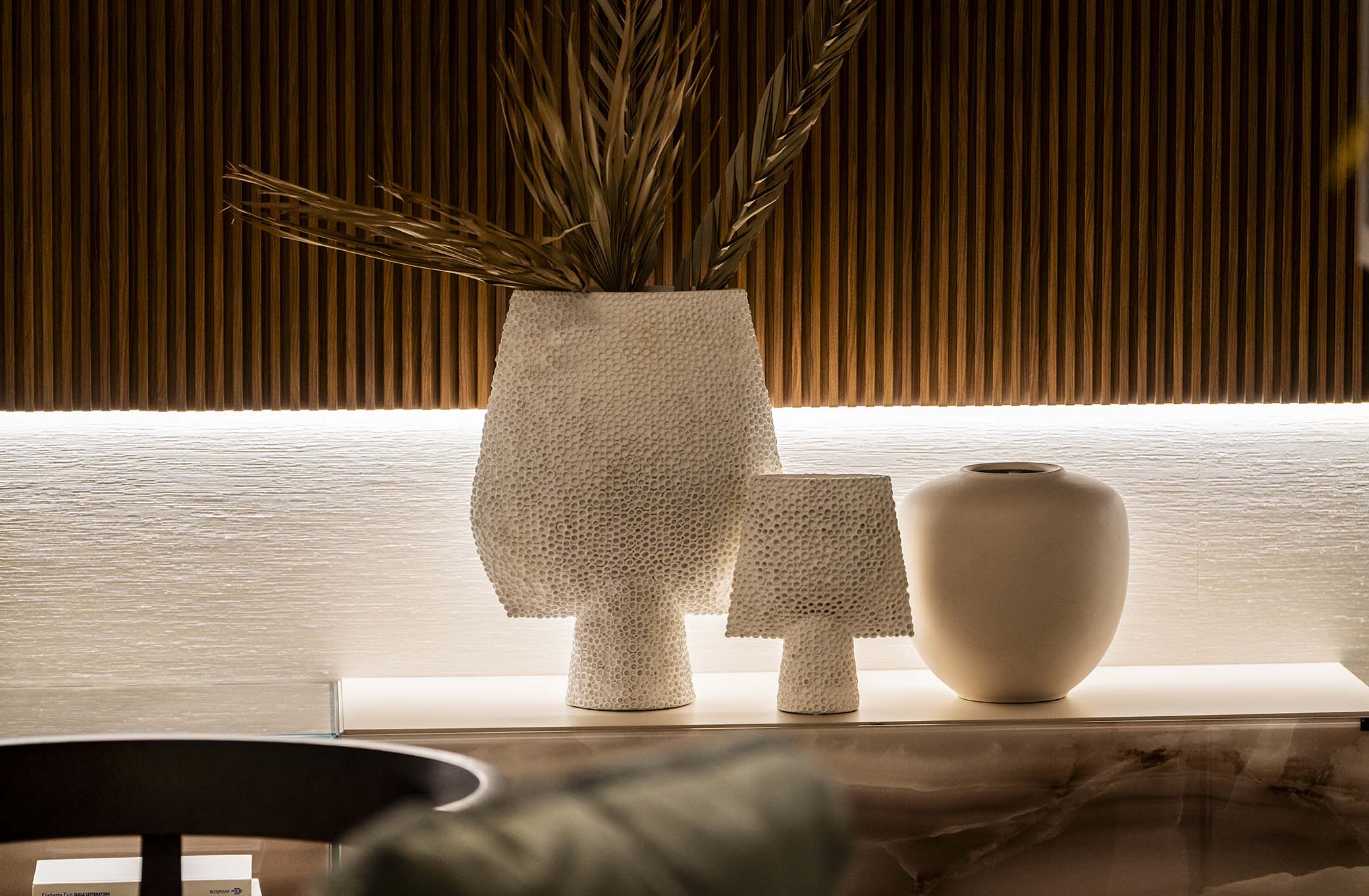
Privacy and daily wellness Even in smaller apartments it becomes important to design corners dedicated to personal relaxation. A reading chair, an atmosphere light or a material wall can help create small moments of individual break. A balanced coexistence also passes from the quality of private spaces inside the shared house. The contemporary bathroom between well-being and harmony In modern apartments the bathroom plays an increasingly important role in the quality of home life. The couples seek practical but also relaxing environments, able to transform the daily routine into a more pleasant experience. Stone-effect tiles, surfaces with a strong texture and suspended sanitary contribute to creating an elegant and light aesthetic. The transparent shower enclosures visually expand the space, while indirect lighting creates a feeling of comfort similar to that of a spa. Here too minimalism is not cold:
The goal is to create visual balance and emotional well-being.
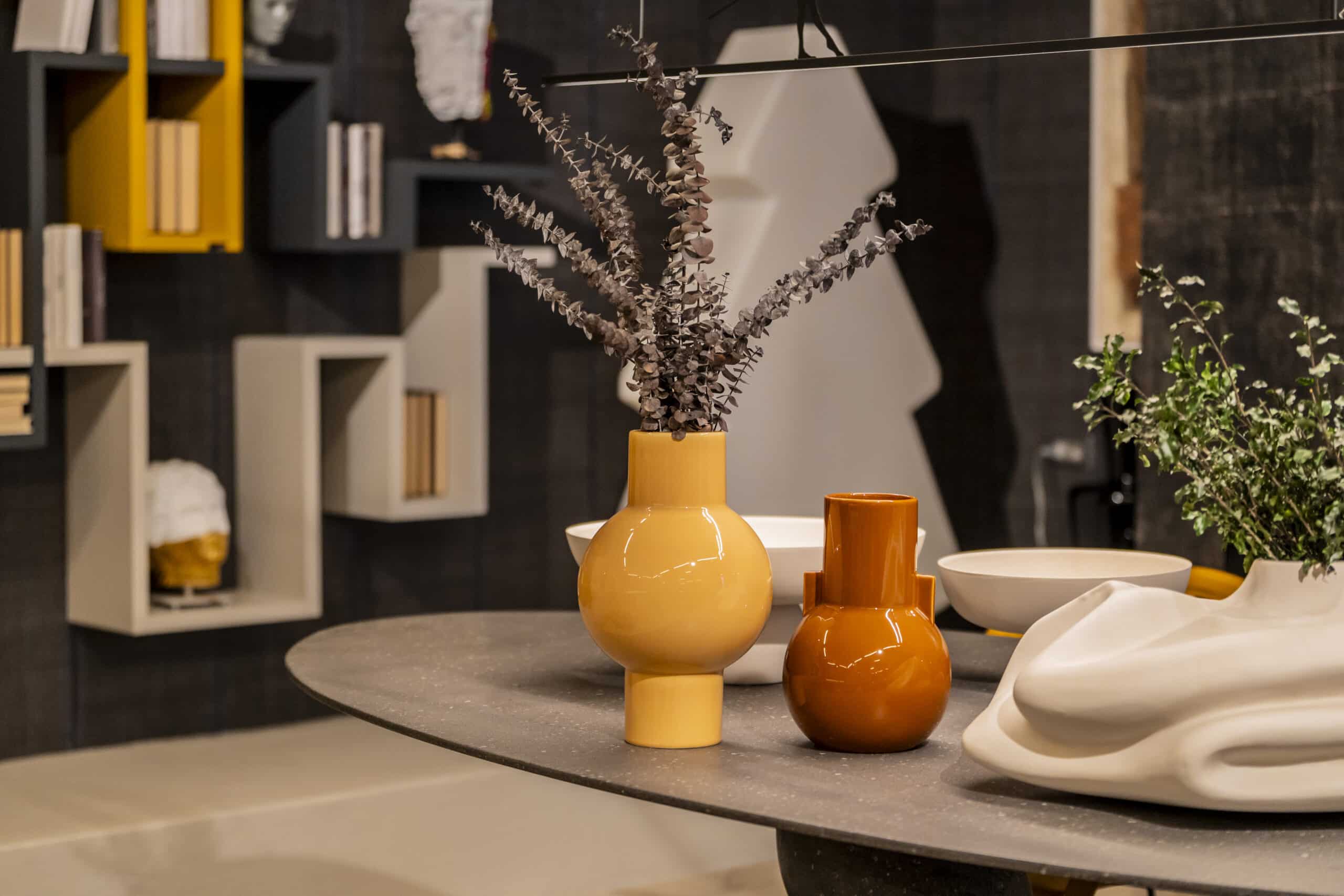
Neutrous tones to create harmonyNeutrous palettes are perfect for living together because they generate relaxing, bright and easy to customize over time. Warm white, sand, turtledove and light grey allow:
increase brightness;
reduce the sense of visual disorder;
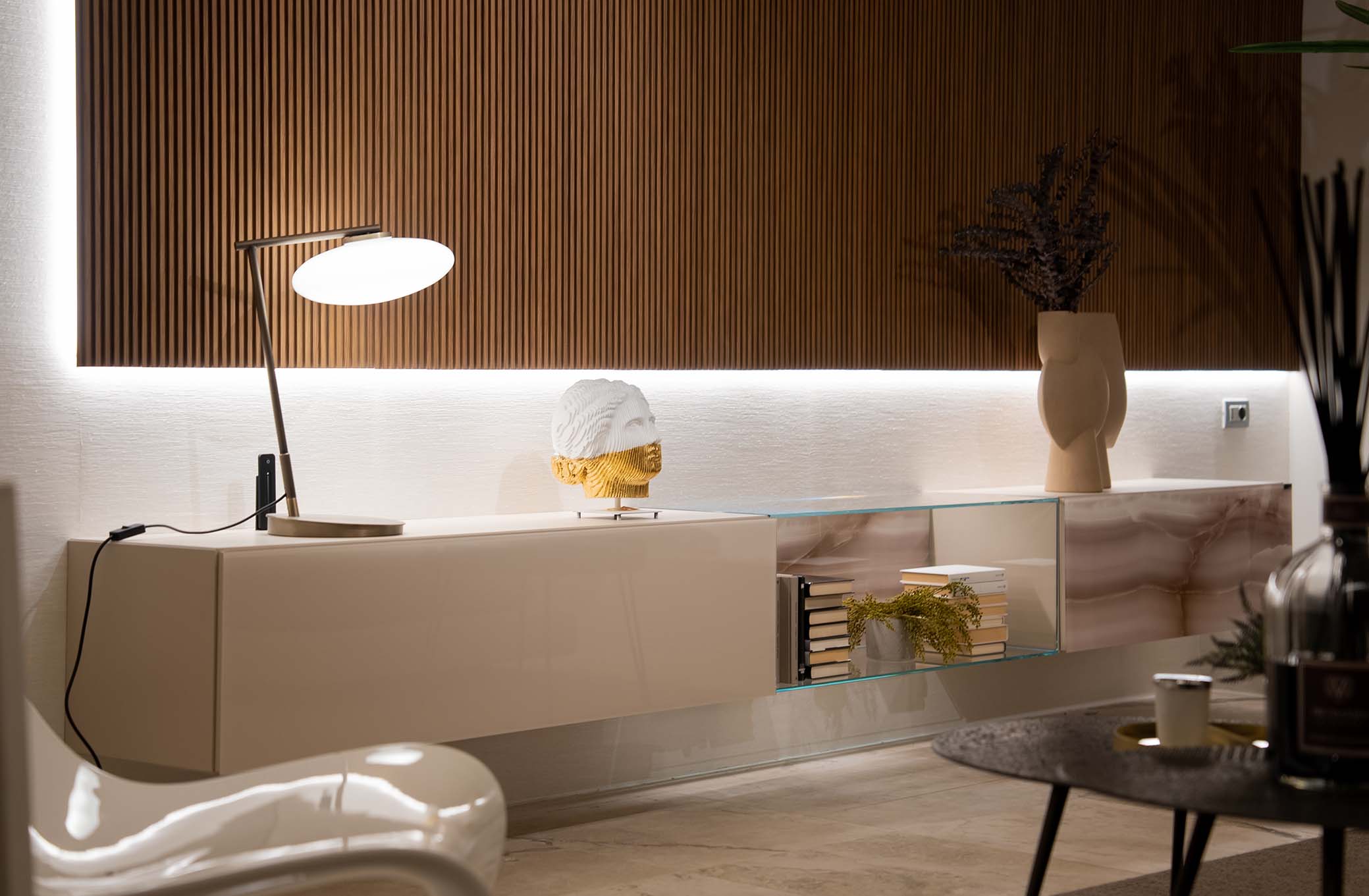
create continuity between the environments. Small chromatic details in the complements and textiles help to give character to the house without weighing it down. Authentic materials and a cozy atmosphereNatural wood, glass, satin metal and stone are among the most used materials in the apartments. The reason is simple:
Today many couples are looking for homes less * "perfect" and more real, able to adapt to daily life without losing elegance. Design, relationships and new ways of living The contemporary house deeply reflects the changes in modern relationships. We live together in a different way than in the past:
you work from home, you share more hours in the same environment and you constantly seek a balance between connection and personal autonomy. Therefore the interior design also assumes an emotional and relational function. A well designed space can:promote dialogue;
improve daily comfort;
reduce stress and disorder;
increase the sense of domestic harmony. The modern interior design is not only for making a home more beautiful.
It's to make it more livable for those who share it every day.
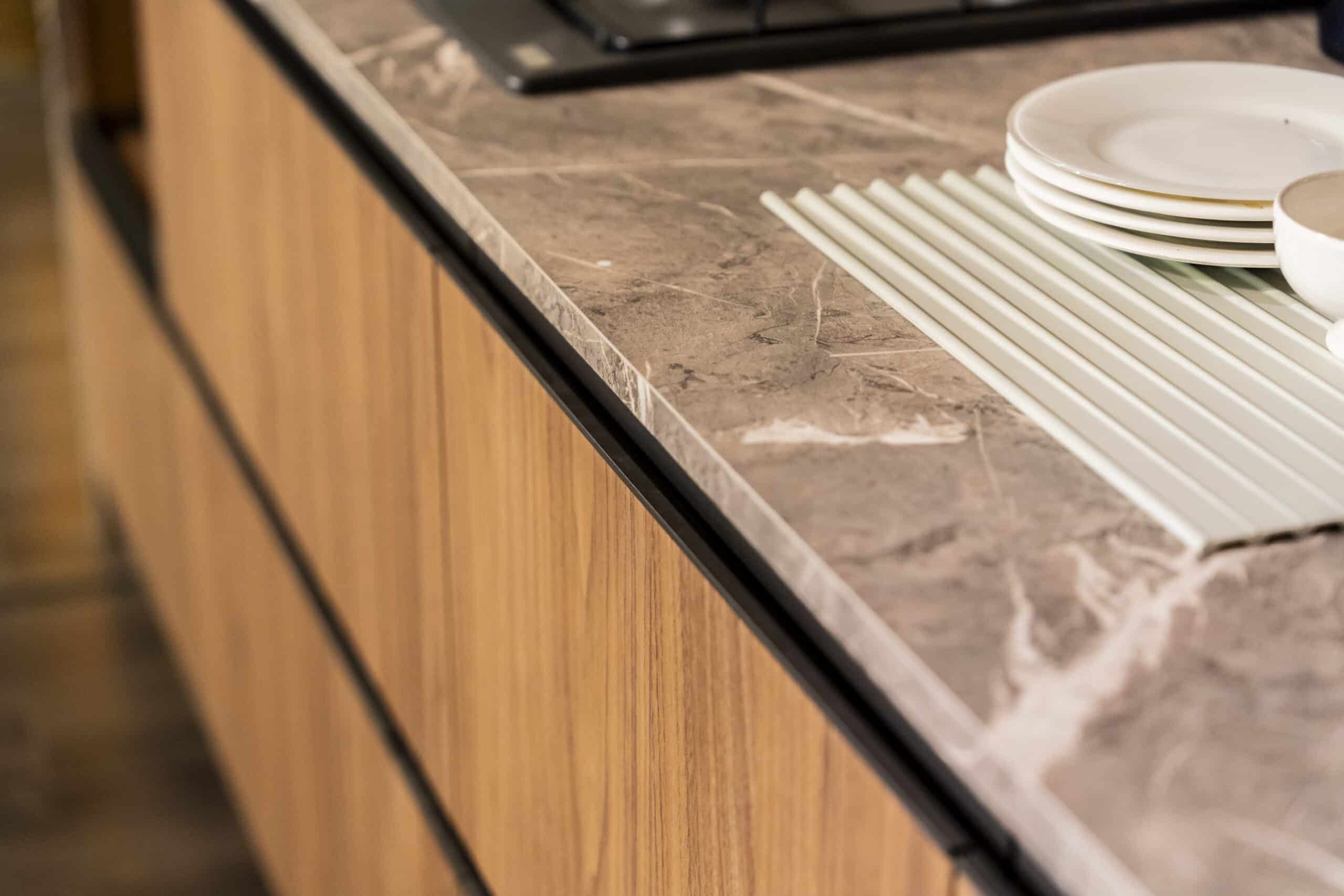
The true contemporary luxury is not having huge spaces, but living environments that can improve the quality of living together. Open spaces are bright, natural materials, relaxing colors and intelligent solutions help couples to build more harmonious, functional and welcoming homes. Because today design is not just about aesthetics.
It's about how we choose to live together. Do you want to turn your apartment into a more harmonious, elegant and suitable space for couples?
Contact us to find out how to turn your well-being into a daily reality
To view videos, enable external content in your cookie preferences.