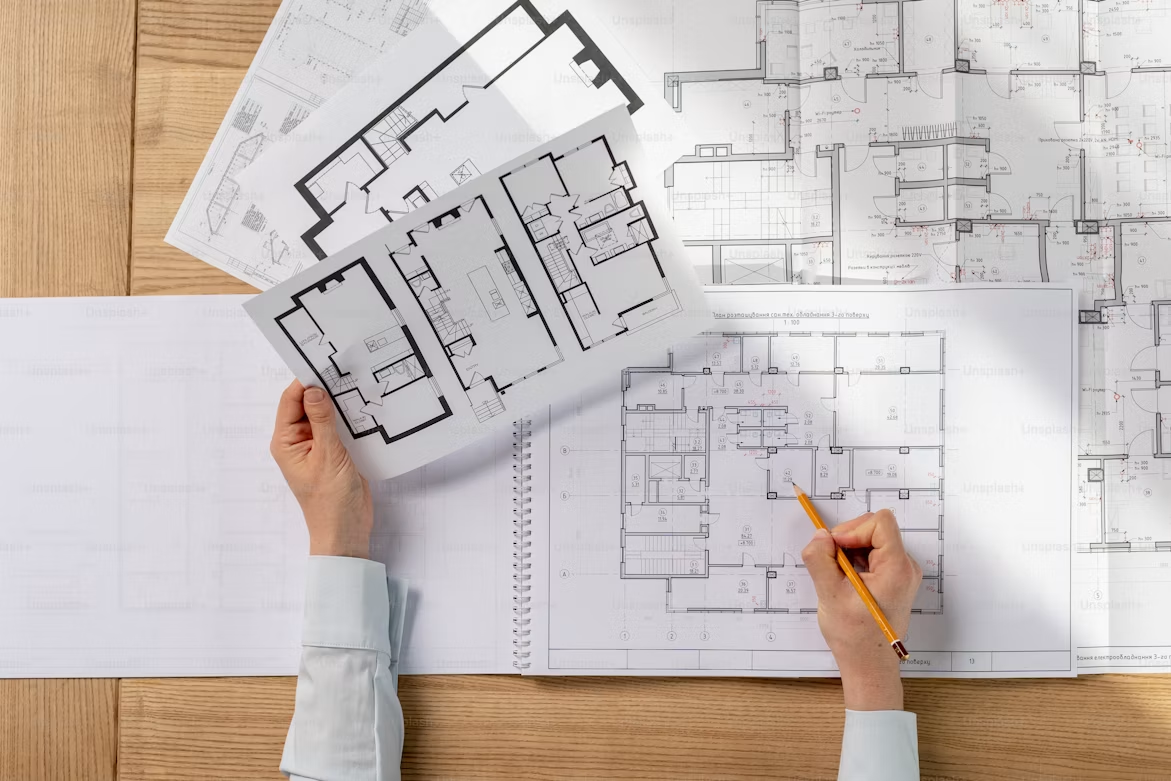
The condominium is a particular form of ** Real estate** where several individuals or companies own single housing units located within the same building or complex. At the same time, the property and responsibility of some common areas are shared. In other words, those living in the condominium are owners of their own apartment or units and have a share of ownership on the common parts , such as stairs, roofs, gardens, courtyards, elevators, parking lots and, in some cases, services such as concierge or swimming pool.
This premise is important because, especially in urban areas, buying a dwelling in a condominium is a significant choice for many people. We are in fact facing a type of residential building that offers numerous advantages, including the possibility to share the costs of common areas and access services such as lifts, gardens or parking spaces, which in an independent house could be prohibitive. However, there are also several additional responsibilities related to the management of condominium expenses, to the compliance with the rules established by the condominium regulation and to the coexistence with the neighbors. consider a number of aspects before Proceed to purchase: ordinary and extraordinary expenses, compliance with urban regulations, limits imposed by the regulation, proper management of the common parts and more. Each of these details can affect both the satisfaction (or dissatisfaction) of a economic investment however challenging, both on the quality of daily life**.
Knowing the Condominium Regulation Condominium Regulation is a fundamental tool for managing the life in condominium and the relationships between the condominiums. Before making any offer, it is therefore absolutely indispensable read and understand this document, which regulates the rules of cohabitation, the use of common parts (such as stairs, lifts and courtyards) and may contain restrictions on the use of the property. Let's remember that the Condominium Regulation establishes the rules that all condominiums must follow to maintain a harmonious and well-managed environment. It could, for example, prohibit some activities, such as the opening of commercial activities within the homes or the possibility to keep pets. These clauses can have a direct impact on your lifestyle, and therefore they should not be underestimated in any way. We also suggest that you check:
- Inside changes to the property: The regulation could limit the possibilities of making structural changes within the apartment or impose restrictions on the installation of elements such as stoves or air conditioning.
- The use of common parts: there may be specific rules on the use of common areas such as terraces or gardens, or shared services such as parking.
- Special prohibitions: Finally, it will be necessary to check whether there are specific prohibitions, such as the impossibility of using the housing unit for professional purposes or the limitation of the installation of external structures, such as satellite dish. Understanding these rules clearly will help you to avoid unpleasant situations and to live serenely in the new condominium.
Ordinary and extraordinary condominium expenses Condominium expenses are divided into ordinary expenses and extraordinary expenses, and knowing both is crucial for those who buy a house in the condominium. cost management is a crucial aspect, as these will affect your annual budget and may present surprises if not adequately evaluated. ordinary expenses concern the maintenance and current management of common areas and services, such as cleaning of collective spaces, lighting of stairs, lift and central heating management (if any). Before buying, it is therefore important to ask the seller or administrator for a copy of the condominium budget to understand what the current expenses are and whether they are actually sustainable for your budget. To benefit from a clear vision • and above all preventive of the ordinary expenses will allow you to plan your finances better. extraordinary expenses relate instead to Extraordinary maintenance interventions the building, such as the renovation of the roof, facade or The updating of the facilities. It is essential to check whether the condominium assembly has already freed extraordinary interventions, since the new owner will be required to participate in the expenses even if the works have not yet begun. These are costs that could be considerable, and of which it is advisable to be aware before proceeding to the purchase. To avoid surprises, always ask the seller or administrator a ** updated declaration on the expenses of the condominiums behind** and information on any planned extraordinary works: in this way, you will have a clear picture of the expenses future and avoid financial unforeseen after the purchase.
The verification of the thousandsimal tables Even the ** thousandsimal tables** are essential documents in a condominium because they determine the share of participation of each condominium at the common expenses, and the weight of the vote of each during the condominium assemblies. Each real estate unit has in fact a percentage, expressed in milleimi, calculated on the basis of different parameters such as the surface of the apartment, the plan in which it is located, the brightness and the exposure. These percentages serve to reparte the condominium expenses and to determine the votes obtained during the collective decisions. updated and in conformity with the reality of the condominium, because any discrepancies could lead to disputes and disagreements between condominiums. This means that if the tables have not been adjusted after any structural changes or significant changes, you may find yourself paying a disproportionate share of condominium expenses or having a reduced influence in the shareholders' decisions. In summary, we recommend that you check that the tables are correct and approved by all condominiums, especially if the building has undergone recent modifications. If there are differences, request an update may avoid future litigation and ensure a fair distribution of expenses.
The status of payments and condominium disputes When we talk about the importance of checking the status of payments before buying a house in a condominium, we refer to the possibility that the previous owner ** did not pay all the condominium fees due**, leaving debts that could fall on the new buyer. To avoid inheriting these back expenses, you will have to ask the seller for an official document, generally provided by the administrator of the condominium, to certify the situation of payments. This document not only clarifies if there are debts, but ** legally protects you** in case future financial obligations related to the previous owner arise. It is also advisable to include in the purchase agreement a ** clause** that guarantees your non-obligation to any previous condominium debts. It will then be checked whether there are ** condominiums in progress**, i.e. whether the condominium is involved in legal proceedings, for example for disputes with suppliers or contested extraordinary works, since the new owner may have to contribute to legal expenses or any penalties.
The urban conformance of the property La urban conformity This is the case for the following:
- The interior changes to the building, such as the demolition of walls or the creation of new rooms, have been regularly authorized by the condominium assembly and the competent municipal authorities.
- The property ** is in accordance with local regulatory plans**, especially in relation to land use, minimum distances from other buildings and maximum permitted heights.
- The documentationcatastal is updated, since any discrepancy between the real state of the property and its cadastral registration could make the property difficult to trade and require expensive regularization. It will be taken into account that, if the urban conformity is not verified, the buyer may have to heal irregular situations, with consequent unforeseen costs. In some cases, the municipality could order the demolition of parts of the property that are out of law or irregular, a long and costly process that risks compromising the entire investment. It is therefore appropriate to require the seller to make all documents relating to any changes to the property and, if necessary, to rely on a technical or specialised lawyer who can carry out the necessary checks ** before signing the contract**.
The practical and social aspects of living in a condo Finally, living in a condominium implies the sharing of common spaces** and living with neighbors, aspects that require a good dose of collaboration and mutual respect. Cohabitation in a shared space may be beneficial, but at the same time presents social challenges that it is important to consider. As indicated above, the condominium regulations define precise norms for the use of common parts and regulate behaviours aimed at promoting harmony between condominiums. Effective management of condominium cohabitation is always indispensable to avoid conflicts that may arise in relation to issues such as the noise, theuseof common areas**, the condominium expenses, the organisation of assemblies and more. It is a real ability, which will positively and significantly affect the quality of life within the building. In general, you will therefore have to consider the following:
- Sharing common spaces, such as stairs, lifts, courtyards and parking spaces requires cooperation and mutual respect in the use of such spaces. For example, compliance with the rules for the use of the garden or parking, or even the timetable for the use of the lift and common areas, are essential to avoid conflicts.
- In many condominiums there are **regulations that impose limits on the times in which noise is allowed, to ensure the so-called "quiet living" . However, noise can often become a cause of tension, especially if the rules are not respected.
- Actively participating in the condominium assemblies, where issues relating to the management of the building are discussed, allows you to have a say in decisions that affect the daily life of everyone.
- Living in a condominium can help develop a sense of belonging and solidarity. In some situations, condominiums work harmoniously to improve the quality of life in the building, organizing common activities or helping each other in emergency situations. Life in the condominium is enable in many respects, but it does require flexibleness, mutual respect and ability to adapt to social situations even complex, which need a good dose of cooperation and communication. Who thinks he can best address all the issues addressed in this article, will certainly feel fully 'home' in his own apartment.
To view videos, enable external content in your cookie preferences.