The theme of energy saving** is increasingly discussed and, above all, increasingly felt. When applied within our homes, it allows us not only to reduce our footprint on the environment**, but also to find ourselves in front of lighter bubbles.
A double advantage, therefore: working carefully in the home not only makes us more green, but also allows us to save money from an economic point of view.
The concept of energy saving includes a series of ** virtuous behaviours** of waste limitation, optimization and efficiency, particularly important at this historic moment when it is now evident the exhaustion of resources to produce energy (especially from fossil fuels), the global heating caused by gas emissions (linked to high oil consumption) and supply problems.
Contact us for more information
But what are the practical ** tips** for those who really want to save energy at home? Let's discover them together in this simple vademecum that, through normal daily actions, will help us in our contribution to the reduction of our consumption.
House heating: certainly solutions like double/triple glass windows generate, already by themselves, a considerable energy saving. To lower the costs related to heating, try to prefer a private boiler in order to adapt the consumption to your real needs. If you live in a condominium and are subject to central heating, consider instead the possibility of district heating or at least the adoption of the counter-calorie valves. Similarly, the installation of a latest generation thermostat can manage the attention and the shutdown of the house heating avoiding unnecessary waste. Finally, a further trick to save energy and keep the heat at home is simply to completely lower the shutters (or tighten the taxes) at night, so as to increase the so-called barrier effect.
Lighting: As regards the saving of electricity, the appearance of the house lighting is the first to be considered. The use of energy saving lamps or LED lamps results in a consumption of 80% lower than those of incandescent lamps, and a duration of 25 times longer. Avoid excessive levels of artificial lighting, favoring natural light, do not forget the lights on in the house and choose the number of lamps according to your real needs.
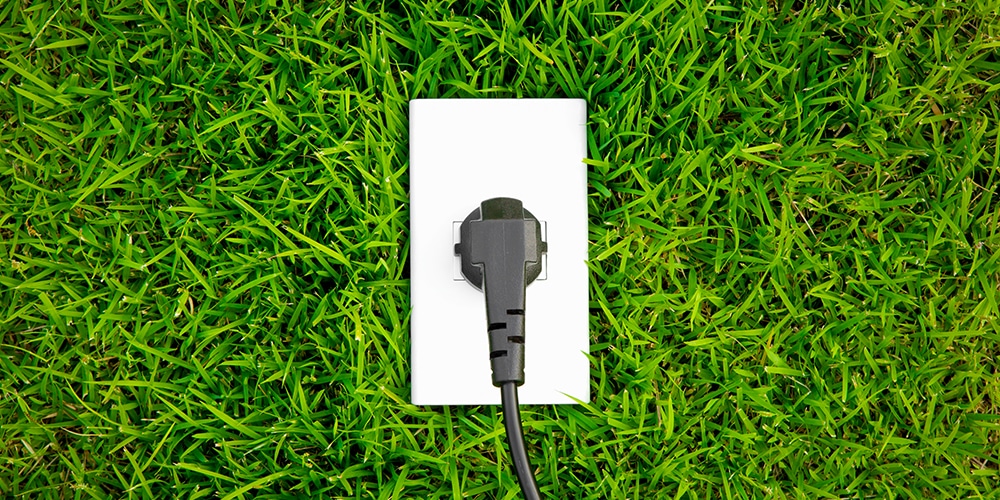
Electrodomestici: intelligent use of household appliances will allow you to break down the bill. The typical TV standby function, for example, still indicates a power consumption, albeit limited: turn off the switch! Even the electrical sockets consume power: if for example you leave the computer in charge more than necessary, you will continue to waste energy. In this case, consider choosing a stand-by killer to improve energy efficiency: this is a device that automatically interrupts the supply of power when the devices are actually loaded or off. Alternatively, disconnect the plugs when possible and use multi-ply to disable multiple devices at the same time. Finally, it should be noted that, as regards large appliances, it is important to encourage the purchase of modern energy-efficient models (class A++).
Bathroom heater: if you use a water heater or a heat pump water heater, you can save energy by setting lower temperatures, or around 60°C in winter and 40°C in summer. Finally, we take a look at other small daily arrangements which, if applied regularly, will really allow you to Sensitively lighten your bills:
Keep your appliances in regular cleaning and maintenance ** so that they are always efficient and therefore lower consumption
Do not do loaded washing in the washing machine or dishwasher, so as to avoid water waste
Do not place the fridge next to heat sources, and avoid opening and closing the door continuously
Please, please, please, please, please, please, please, please, please, please, please, please, please, please, please, please, please, please, please, please, please, please, please, contact your doctor.
You prefer a bio-tariff** in your energy supply contracts, so you can set the timers of washing machine and dishwasher in the cheapest time slots
Avoid, if possible, the use of the lift** if you live within the first three floors of a building Finally, remember that the ecobonus allocated by the government from 2011 and related to ** redevelopment** energy of the housing are still valid! The hypothesis announced by the Ministry of Economy is that, until 2021, they will be maintained: in practice, this would mean that you will be able to take advantage of important tax services for any intervention aimed at energy savings in your home.
To view videos, enable external content in your cookie preferences.