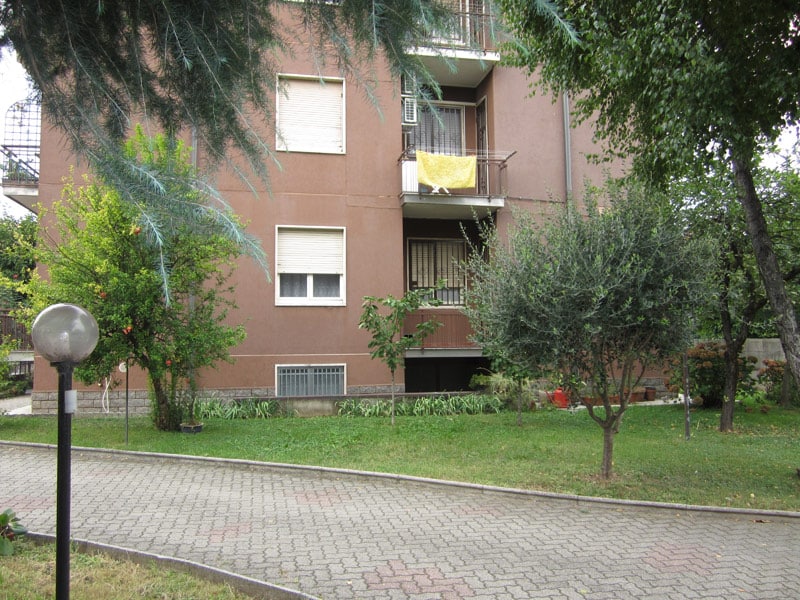
In recent weeks, we have introduced an interesting topic: that of the energy redevelopment of existing buildings, highlighting its importance from a constructive point of view, both environmental and economic. We have taken as an example the Brianza city of Arese, at the gates of Milan: twenty thousand inhabitants and a constantly growing demography, which makes it necessary to make constructive interventions targeted both from a point of view of urban and the well-being of citizens.
Schiavi Spa has addressed the important project of energy redevelopment of one of the existing buildings in Arese, through a complex and elaborate process with a simple and ambitious goal: to guarantee the inhabitants comfortable, safe and energy-oriented solutions. Fundamental in this sense, it has proved to be the initial step of planning the interventions, which our technicians have structured in two well defined phases: the first architectural order, the second of an executive type.
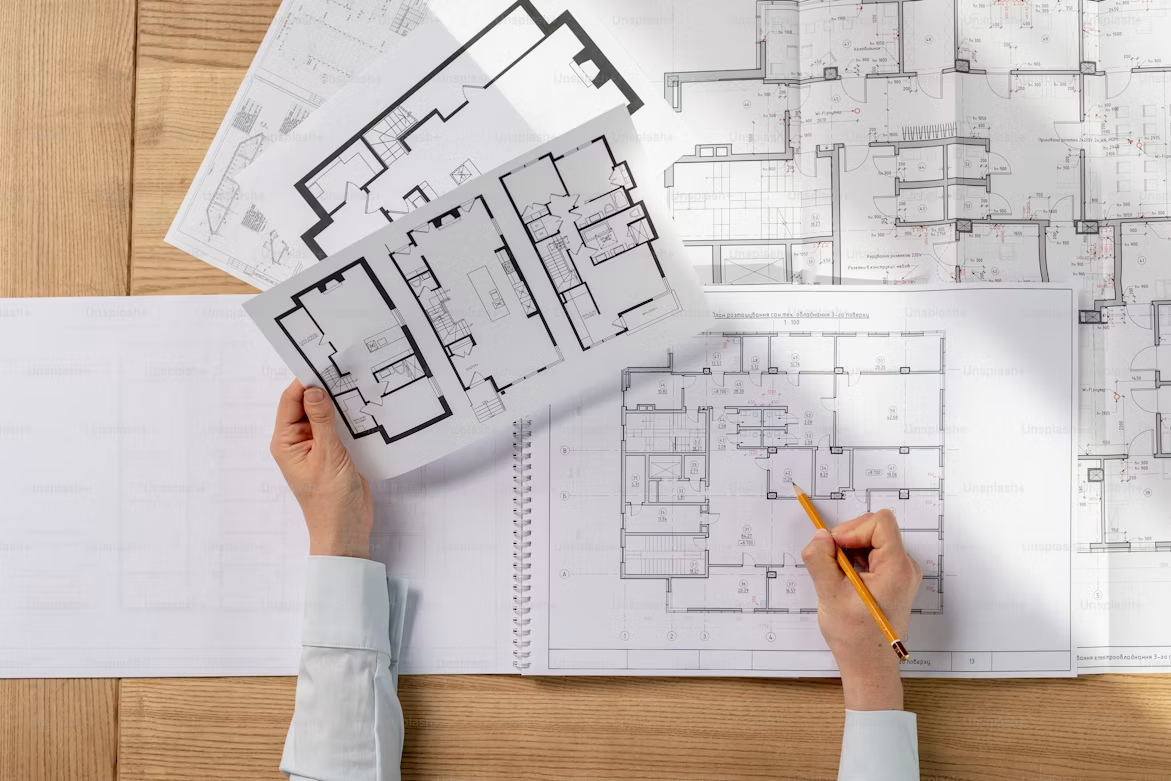
As regards the architectural design phase, Schiavi Spa considered it essential first of all to have a direct comparison with each of the clients involved, so as to fully understand and in detail all their expectations regarding the intervention. Subsequently, a detailed relief of the entire building was made on which to operate. Once obtained this indispensable preliminary information, Schiavi Spa was able to devote itself to the executive design of energy redevelopment of the building.
In particular, a detailed study has been carried out on the resolution of the various thermal bridges in the structure: the thermal bridges can be defined as local areas of the thermal envelope in which, due to the geometry of the structures or materials used, there is such a discontinuity that the heat flow between the interior and the exterior proves different, and generally greater, when compared to the rest of the structures. From a purely energy point of view, the presence of thermal bridges in a building leads to a greater dispersion of heat, which must be taken into account when calculating the overall energy needs of the structure. From a comfort point of view, these weak points are instead vehicles of lower temperatures than other internal surfaces, such as walls and roofs, and cause conditions of so-called discomfort in the inhabitants as well as formation of moulds and condensates. In case you have to intervene for an energy redevelopment on an existing building, as in the Arese project signed Schiavi Spa, the design phase is indispensable for a complete elimination of all thermal bridges given by discontinuity of materials.
The executive design by Schiavi Spa has also taken into account an update of the façade, aimed at a substantial improvement and aesthetic renewal in full respect of the initial architectural nature of the building. Subsequently, the draft of the project was drawn up, which was discussed in detail with all the customers involved, both in its technical aspects and in the aesthetic and architectural aspects. The practice thus approved was finally presented in the municipality to obtain all the necessary permissions at the beginning of the work. How was the execution of the works so planned? This is the topic that we will discuss in the next chapter of this technical and architectural journey in an energy redevelopment: we will tell you in detail how the works were carried out, so as to help you understand their effectiveness. Continue to follow us!
To view videos, enable external content in your cookie preferences.