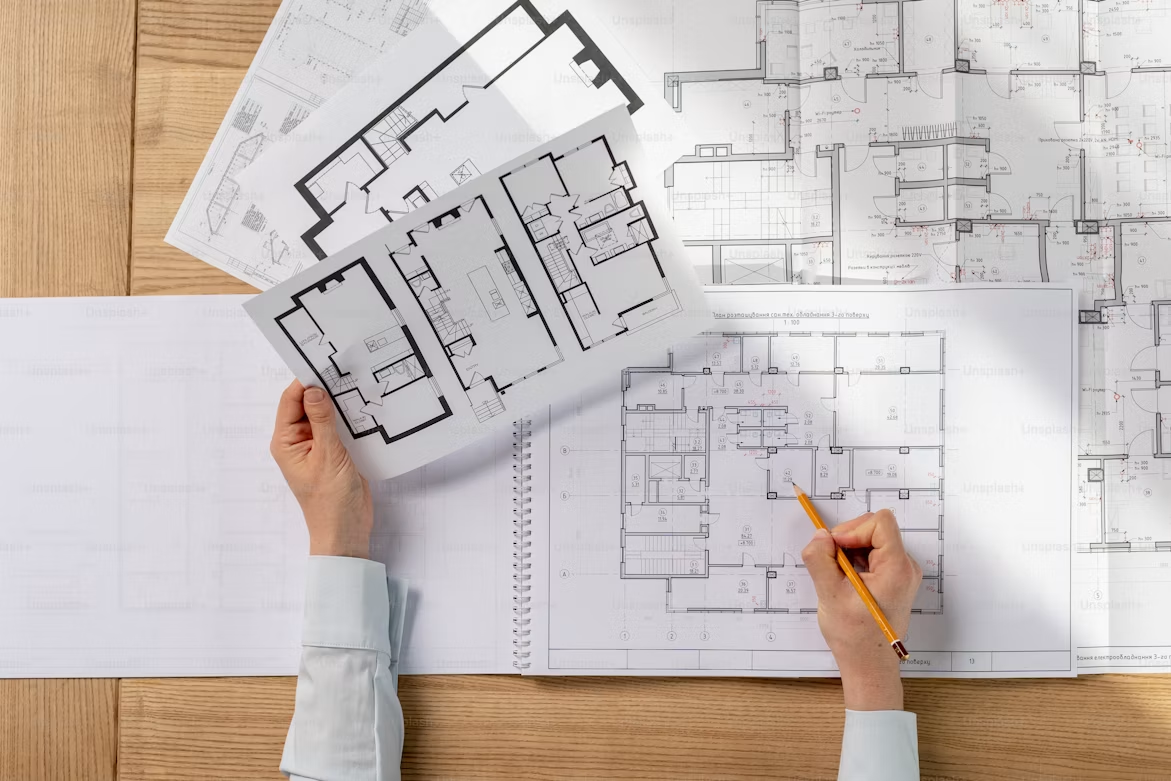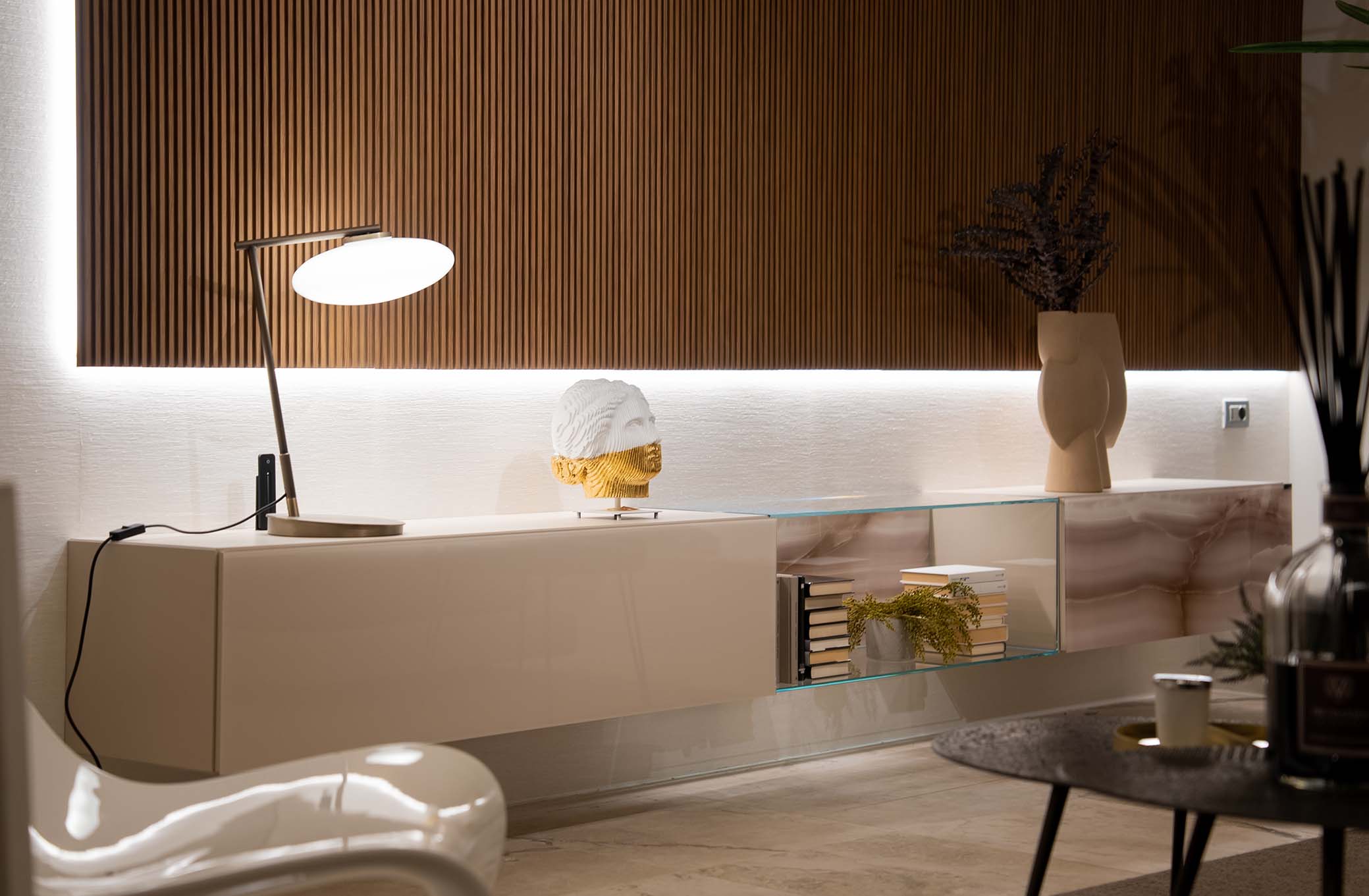
The COVID-19 emergency and the subsequent precautionary measures to better contain the contagion • from social distance to quarantine, to the lockdown of entire cities or nations and to smart working • inevitably forced us to reconsider not only our relationship with ourselves and with the other, but also with the home.
If, in fact, before the pandemic, this was the place where we returned and from which we regularly came out, in the most natural and instinctive way possible, in the last few weeks it has become our Arbumen has published an interesting contribution to this theme, focusing on if and how** architecture can make its positive contribution to the current crisis, and assessing how the obligation to stay at home will force us to reconsider our perception of domestic spaces**.
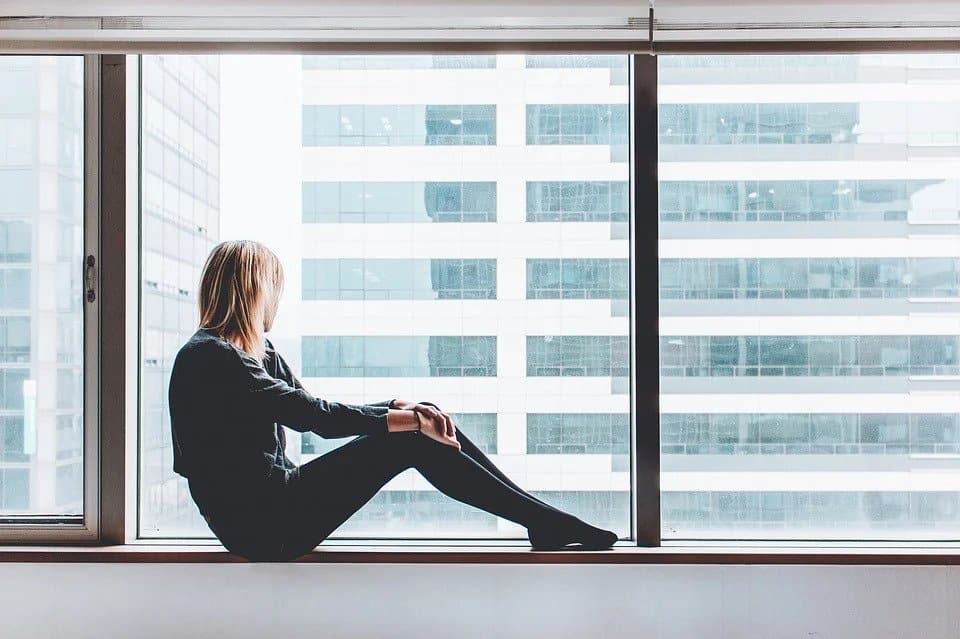
Interconnections and alone The starting point is simple: in a world by nature now interconnected, we all suddenly found ourselves managing a newfound "solitude" limiting our relationship with the other essentially to interaction through digital tools. In this sense, therefore, the link between territories, people and productive areas has suffered an important shock that will have inevitable (and still in part unpredictable) consequences also in the long term.
How will the current situation reverberate on the areas of design, construction, teaching and research in the architectural field, since the entire planet is now in a position to redefine both the individual's and community's priorities in the wider sense? Arbumen answers the question not directly, but offering a platform to some of the most prominent Italian architects, who are in this way confronted with the new dimension of the house
COVID-19: the house is no longer just a home and the world is observed by a showcase How has our relationship with the home walls changed** because of Coronavirus's pandemic, and how will it change tomorrow** in function of what is happening today? The house, by its nature intrinsically place deputed to privacy, is now also transformed into a virtual stage for sharing, conviviality, sociality and community in its broadest sense. Each one opens his own house to others without the others actually being able to enter it and, while he does, he opens himself to a world, but without being able to abandon the domestic walls, and therefore to a reality in a certain sense intangible, as observed through a showcase. An interesting concept because synergic and contradictory at the same time, where one of the common points among all individuals seems to be the actual physical dimension of the house**.
We discover how ** six Italian architects** interpret the concept of home during the pandemic: from the "small laboratory for distance learning" of Luca Molinari, professor associated with the University of Campania . •Luigi Vanvitelli**, to the concept of collaborative consumption • exposed by Andrea Boschetti; from the possibility of new measures to support the profession desired by Selina Bertola to the idea of Roberto Forte, which is already working between Milan, Catania and Milan and speaks of 'inncentives to the development of new levels of spatial adaptability. Finally, to get to the studio PratoECOL, which examines the metamorphosis in the relationship between public space and private space and Stefano Boeri, which tells us about time, body and city.
To view videos, enable external content in your cookie preferences.