July 2026 Sabino Maria Frassà, L’ART IN FIRST PERSON
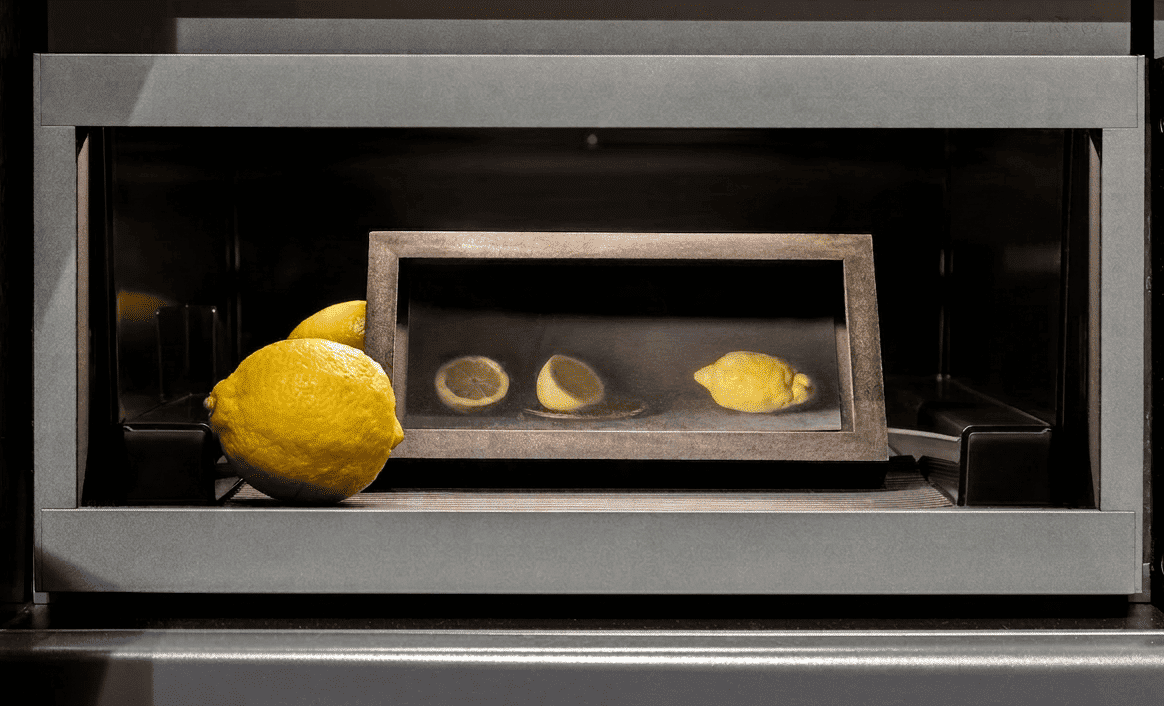
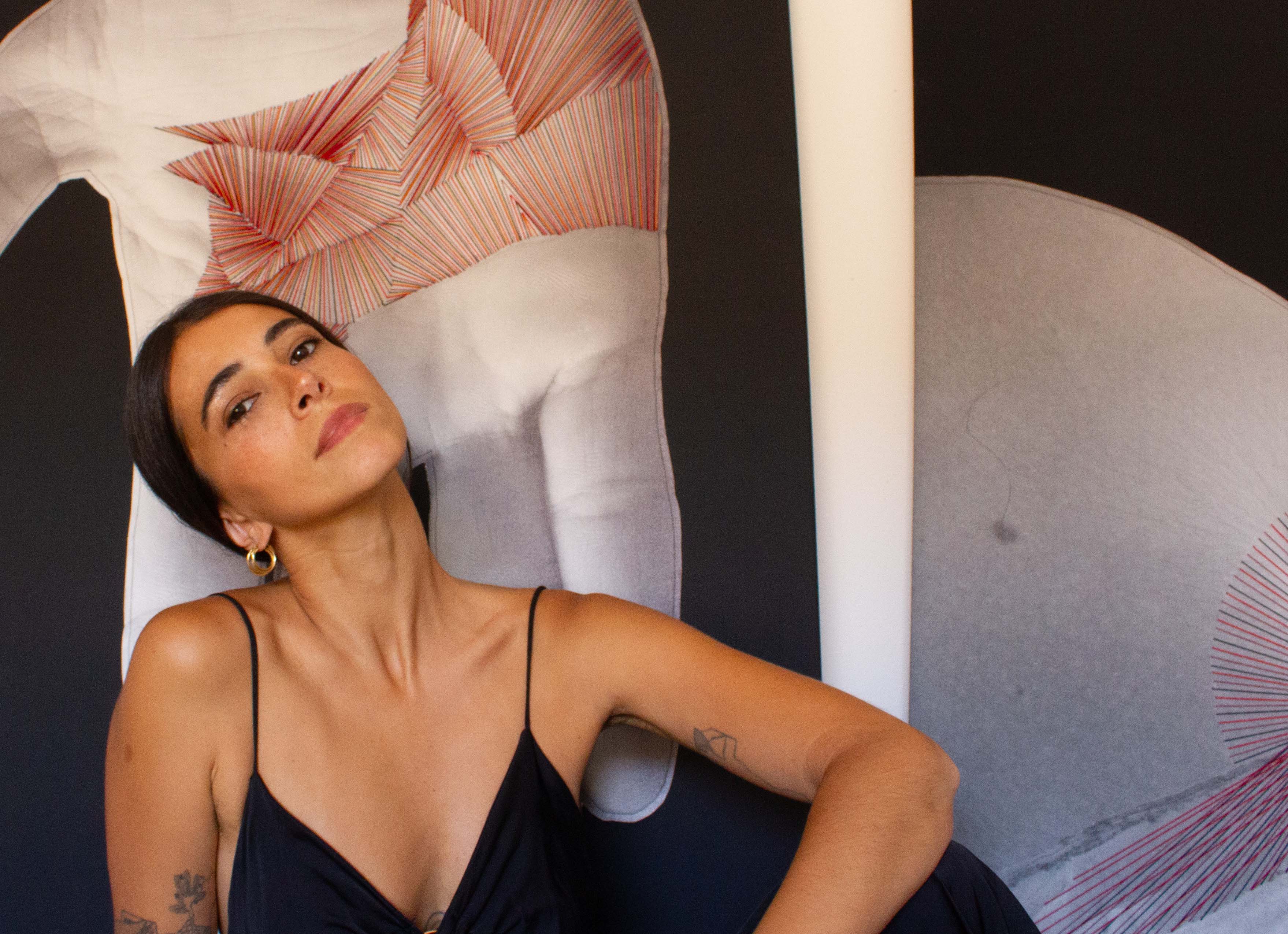
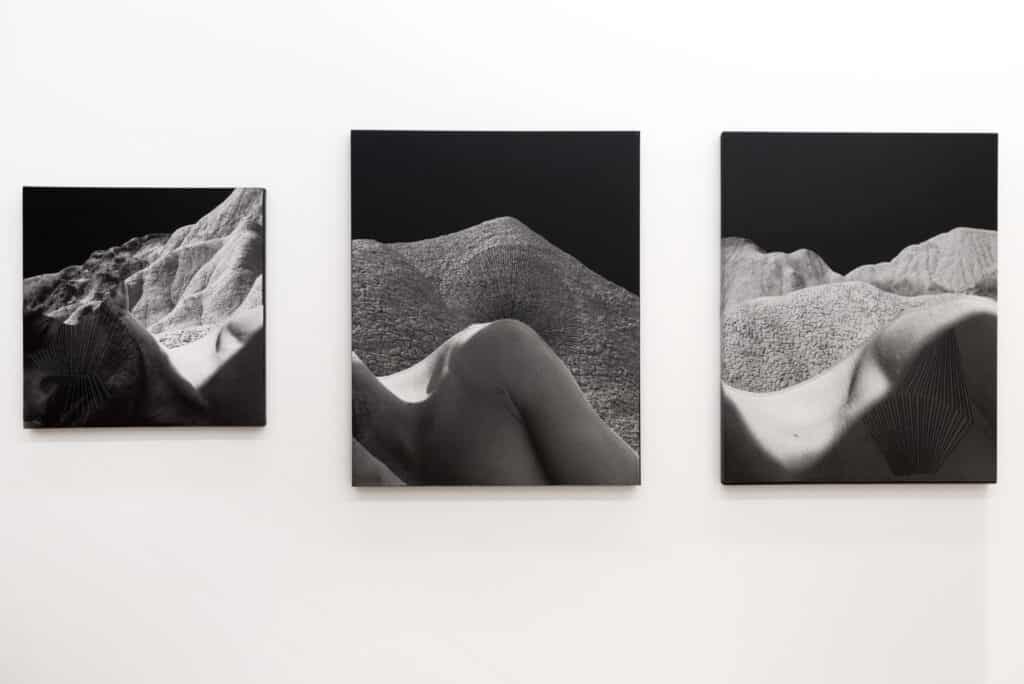
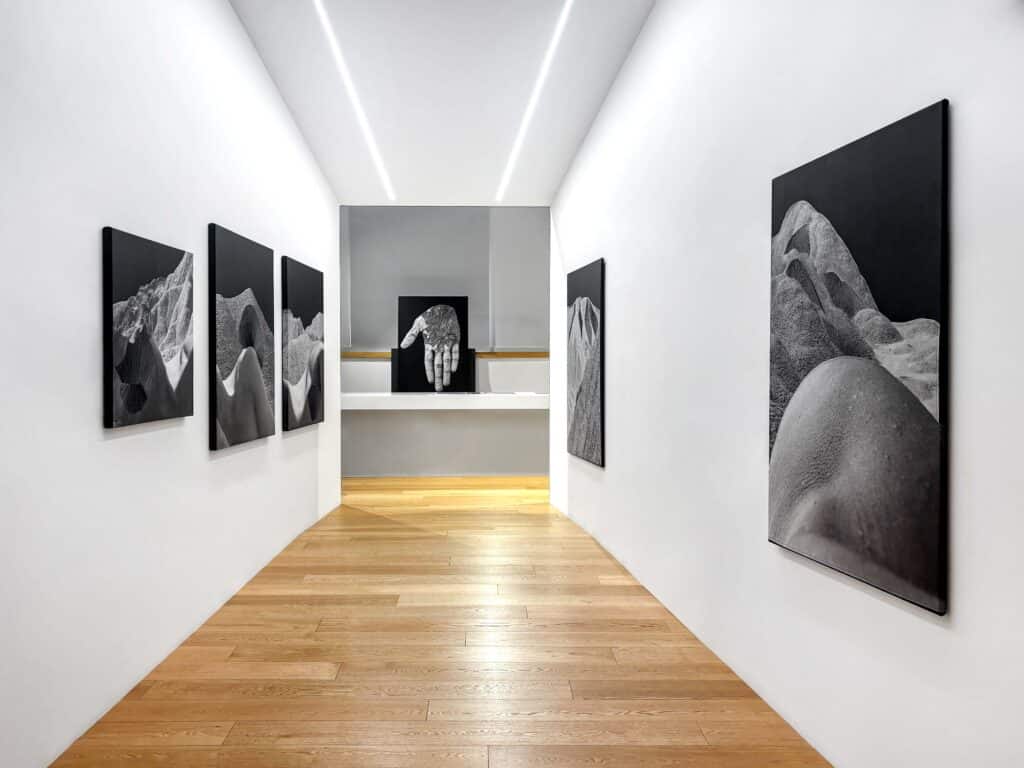
• Art in first person • In the heart of the summer, we discover the artistic and human path of Betty Salluce (Matera, 1992), met on the occasion of the presentation of three new works of the cycle •Fil Rouge • Inside the Milan exhibition Contact points from Gaggenau, (open by appointment in course Magenta 2 until December 4, 2026*).
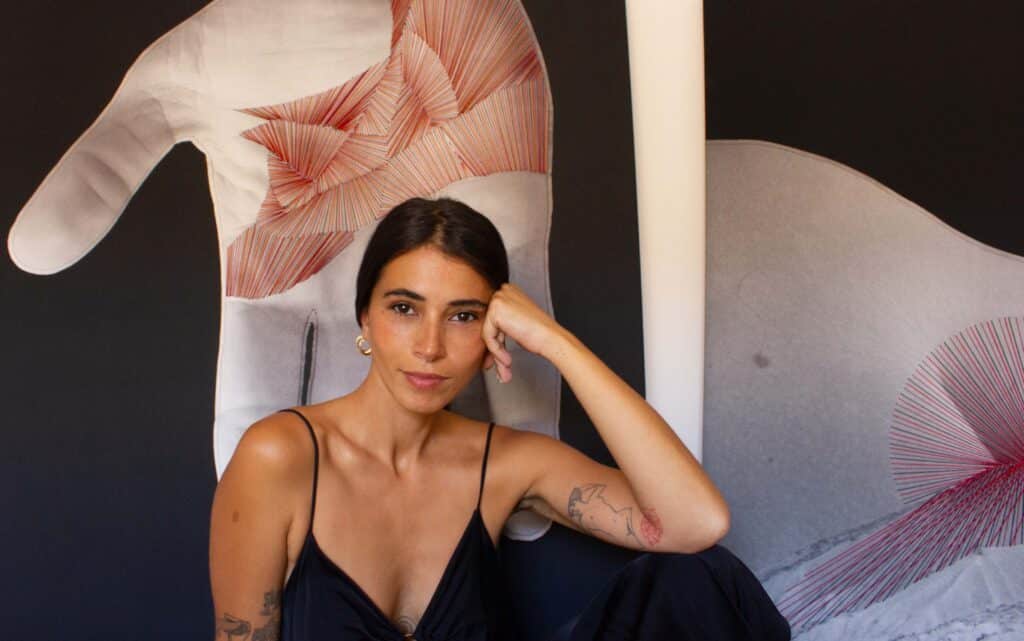
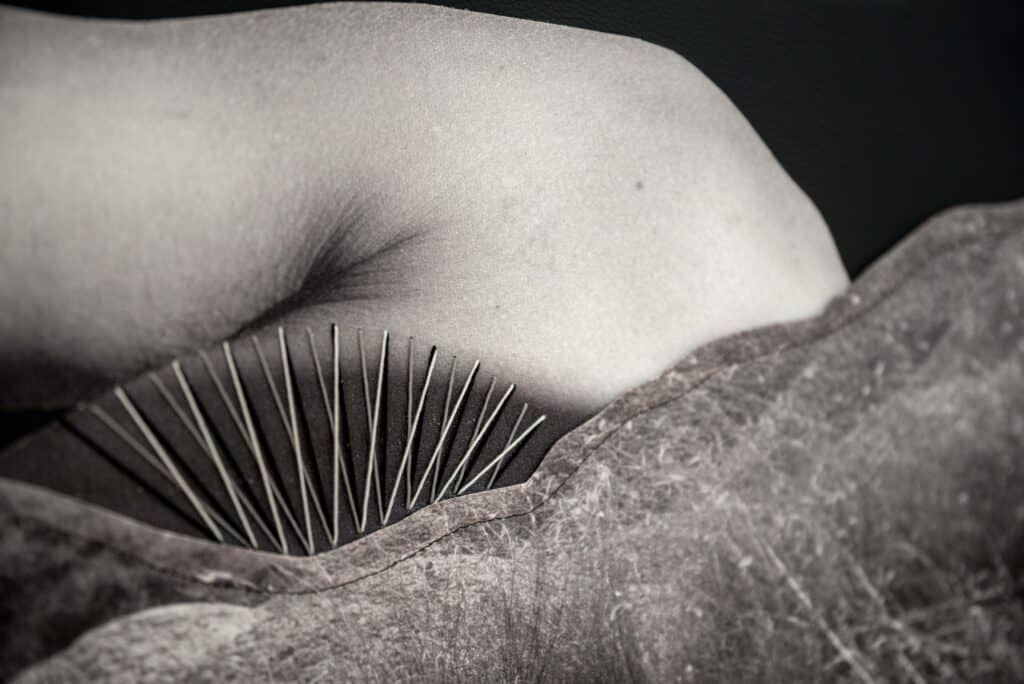
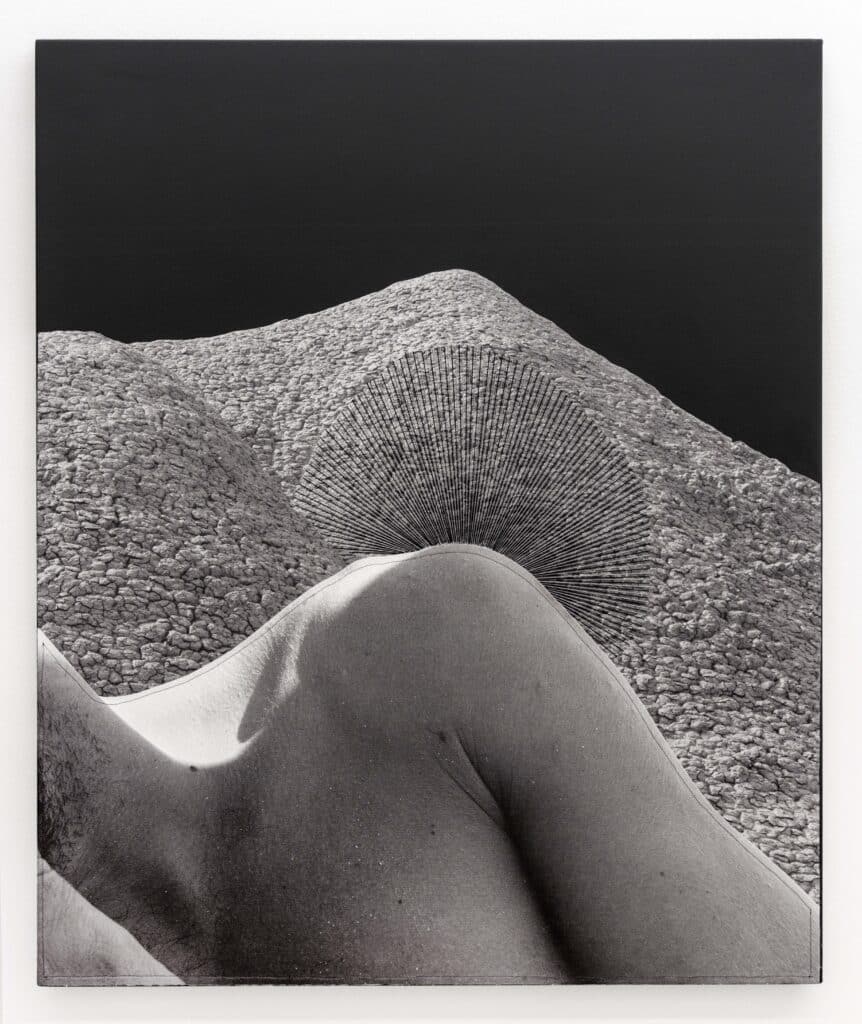
In his research, photography, embroidery and installation are interwoven in a multidimensional and multi-material language that connects body and landscape, presence and absence, memory and transformation. The Basilicata of the calanchi, the sea and silent architecture remains the emotional nucleus of a practice that seems to approach more and more to a personal form of environmental body art, in which the body is not simply represented, but crosses and inhabits space.
Salluce's works, which won the Cramum Reti for Art Award in 2024, are born from a long process of observation and collection: the artist walks, photographers, archives details, surfaces, bodies and landscapes. Only later intervenes the embroidery, slow and physical gesture that modifies the image and alters its perception.  It is the moment when I truly enter the image             I am interested that the gesture leaves obvious signs on the surface, that the work keeps something fragile, not completely controlled. In recent years his research has increasingly opened up to an environmental and relational dimension, thinking of the work not as an isolated image, but as a presence capable of dialogue with space and with the body of those who cross it.
Sabino Maria Frassà: Matera and the calanchi: how much has the landscape of your land formed your imagination?
Betty Salluce: I grew up in Montescaglioso, a small reality in the province of Matera, in a territory where the landscape is never just a background, but a living, almost physical presence. The calanchi, the arid lands, the open and silent spaces formed my way of looking at the world before even my way of working. I believe that my imaginary comes from there: from a deep perception of the void, of the erosion, of the time that slowly digs and changes things. They are places that bear the signs of the passage, of the fragility and together of the resistance. This tension remained within my work even when I left my land. When I moved to Turin, I confronted myself with a completely different landscape: urban, rapid, crossed by continuous stimuli. Yet, even there I continued to look for margins, suspensions, places where it was still possible to listen. Even today I feel that my work is born from this dialogue between body and territory. The landscape, for me, is not something to represent, but a condition to live emotionally.
SMF: Not only landscape, but also body: can your research be read as a form of environmental body art?
BS: Yes, I believe in part, although it is not a definition sought a priori. The body entered my work gradually, almost as a necessity: first through the image and representation, then through the encounter with the performance and some practices of body art. I began to perceive it not only as a subject, but as a presence, experience, instrument of relationship. Some artists have modified my way of looking more than my visual language: I think of Alberto Burri and Maria Lai, for the physical relationship with matter and for the ability to make surfaces retain time and transformations. I am interested in the body as a trace, as a measure of the passage, but also as a silent place of questioning. I do not feel that I belong directly to the body art in the historical or performative sense, but I am deeply interested in the idea that the body can speak even when it is silent. Since I was very young I was attracted by the glimpses of the historic center of my country: the worn surfaces, the architectures, the signs left by time. I was interested in questioning this all human necessity to occupy, build, fill and, at the same time, on our ability to abandon what we create. From there, body and space began to dialogue naturally. The gesture of embroidery also comes from this need: to enter physically in the image, as if the body continued inside the surface of the work. In this sense, perhaps, one can speak of an environmental body art form.
SMF: Is your art therefore autobiographical or is it trying to tell something to tend toward?
BS: My work often starts from personal experiences or feelings that cross me directly, but it does not arise from the desire to tell myself in an autobiographical sense. I am interested rather to understand how an individual experience can become a shared space, a point where others can also recognize themselves or stop. Even when I start from something intimate, I always try to leave the work open, not completely defined. I am interested in keeping the questions alive rather than reaching a definitive answer. Perhaps it is there that an authentic exchange between work and public can be born.
SMF: Does that mean your job tends to be social, if not political?
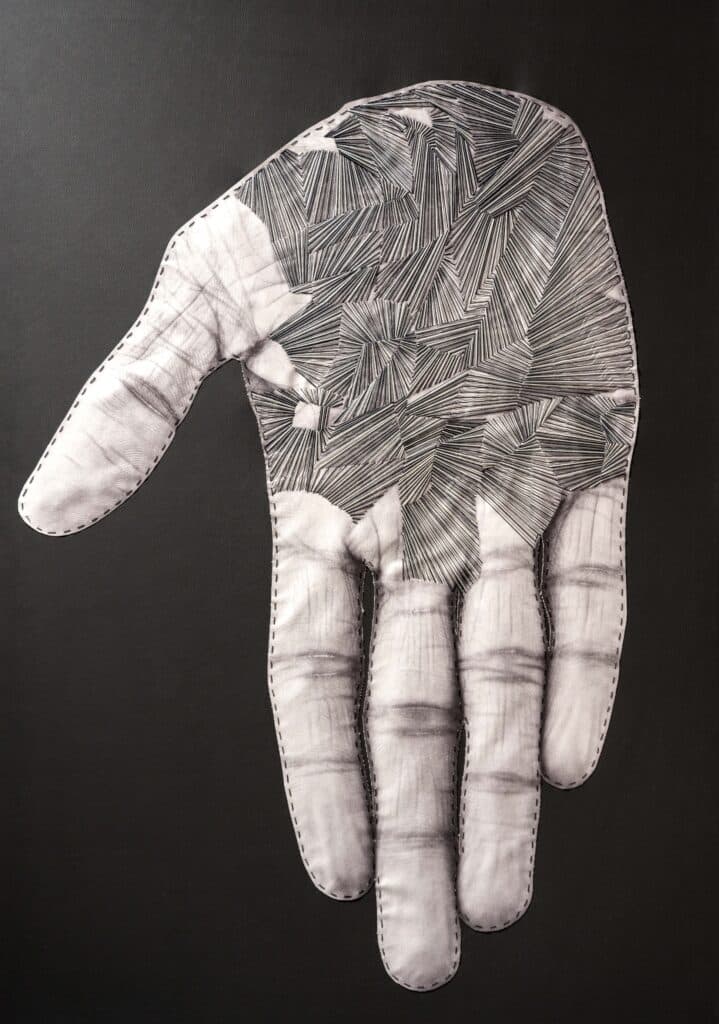
BS: I believe that every work that speaks of body, territory and relationships inevitably has a political dimension. Not because it wants to offer answers or unique messages, but because it concerns our way of living the present. I am interested to observe the traces that we leave in the places and those that the places leave on us: the relationship between individual and environment, between presence and consumption, between construction and abandonment. Even embroidery, with its slowness and repetition, assumes for me a political value in a time that constantly pushes us towards speed and immediate production. Over the years I have also started a series of works linked to hands and portrait, through which I tell the stories of the people I meet: their lives, the movements, the reasons that have often led them to leave their country. Sama or Anisa I am not interested in speaking \" in the place of the other, but in creating a chance of encounter, a space in which certain stories can emerge without being simplified. In this sense my work seeks to generate a time of attention.
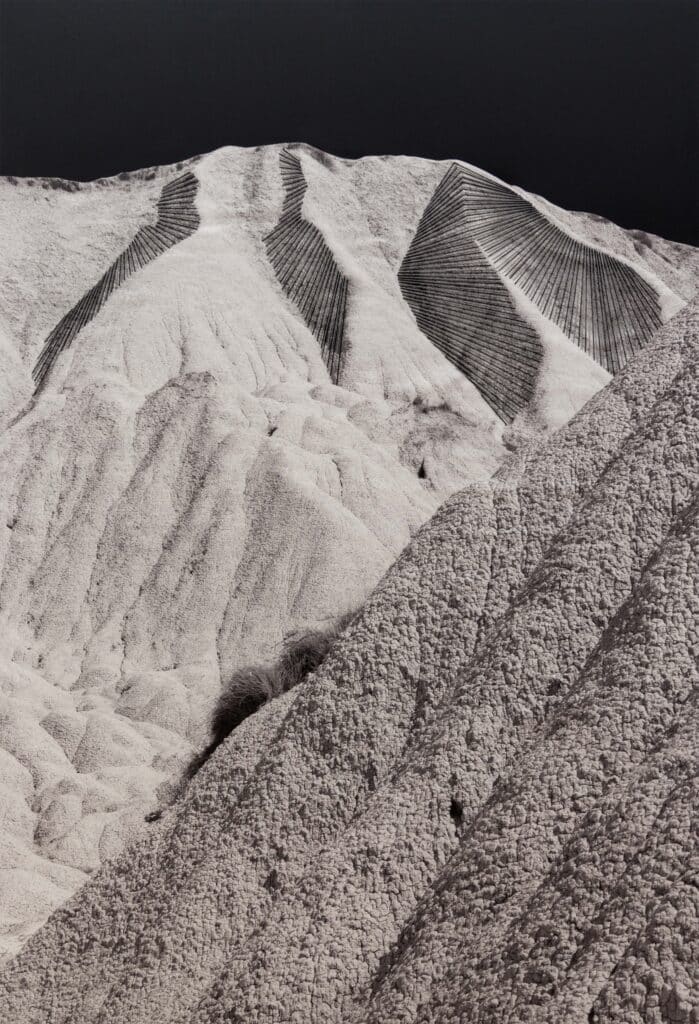
SMF: Why did you choose the thread and embroidery as the central tools of your research? What does the stitching add to the photograph?
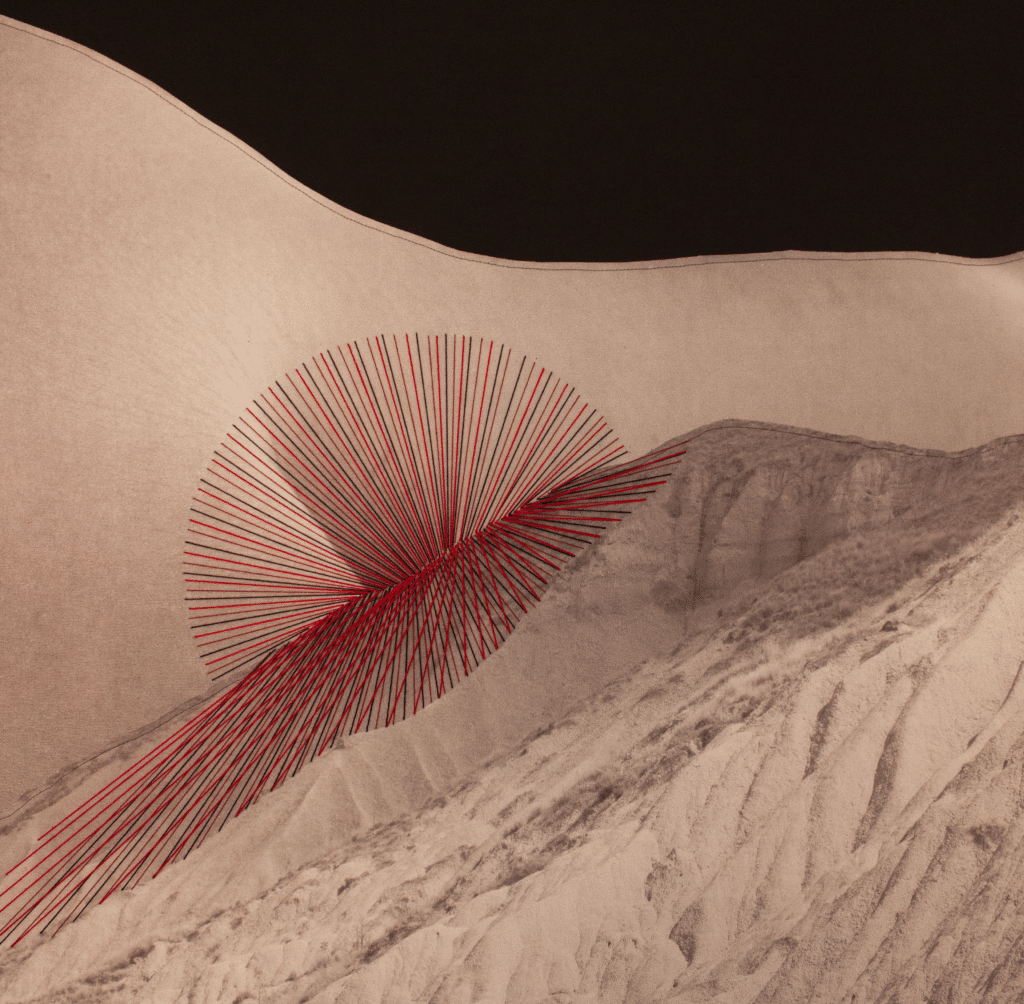
BS: The thread has entered my work naturally, even before theoretical. It belongs to my memory, to something I have seen since childhood. For a long time, however, embroidery has been considered a marginal language, linked to a domestic and female dimension of doing. I was interested to move it from there and to understand how it could become a contemporary instrument, able to speak of the present. In my work, the thread never has a decorative function. It introduces time, contact, physical crossing. Sewing means entering the image, modifying it, creating frictions, connections, interruptions. It is a slow, repetitive, almost bodily gesture. Photography is often the starting point, an initial track. Embroidery comes later, as a second time of the image: it interrupts the surface without erasing it, it makes it more physical, stratified, crossable. I think the seam also obliges you to slow down your look. In a time when images are consumed quickly, the thread asks attention: to details, passages, imperfections. It brings in the photograph something that no longer only concerns sight, but also touch, memory, emotion. For me the thread has become a way to hold together absence and permanence, memory and transformation. As if the gesture continues inside the photograph, leading it towards something more alive.
SMF: Finally, since you started from the study of painting, what relationship do you have today with color?
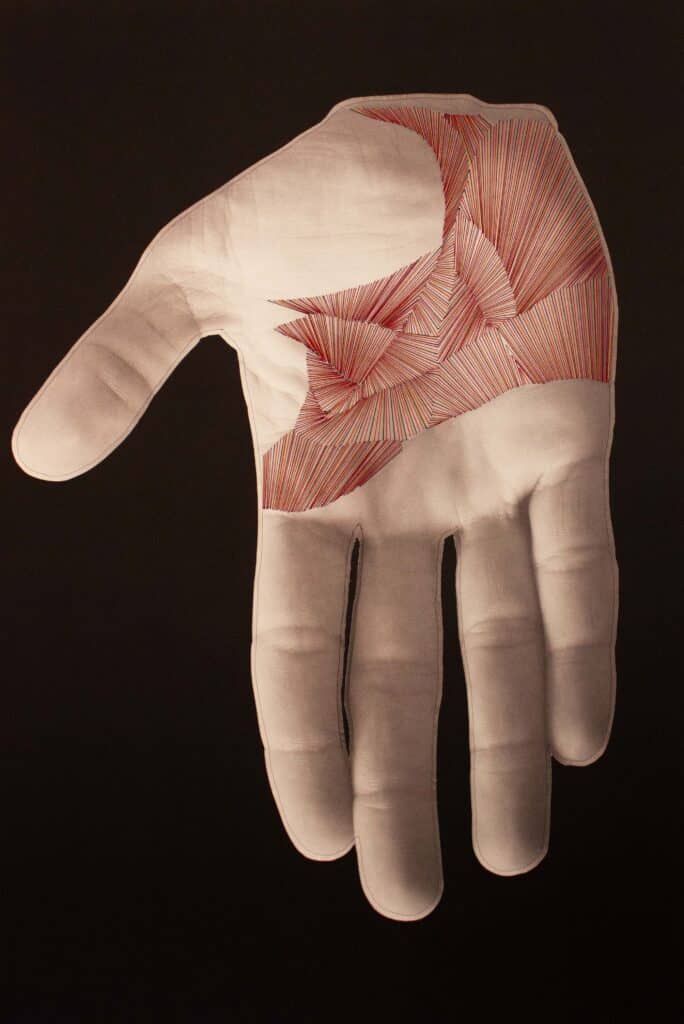
BS: In recent years my relationship with color has become more and more essential, often close to white and black. I am interested in shades that seem to subtract instead of adding, because they allow the surface, matter and gesture to emerge more strongly. For me color is never decoration, but an almost physical presence. Even black, which may seem absence, contains depth, density, space. I am interested when color changes the perception of the image, creating a more immersive and sensory condition. Therefore, I use it in a very controlled way. When a different shade appears, like the red of the last works presented by Gaggenau, it must have a precise weight, almost like an interference capable of altering the balance of the work and opening new readings.
*To visit the exhibition write to infocramum@gmail.com or call Gaggenau DesignElementi Hub: +39 02 29015250 (inside 2)
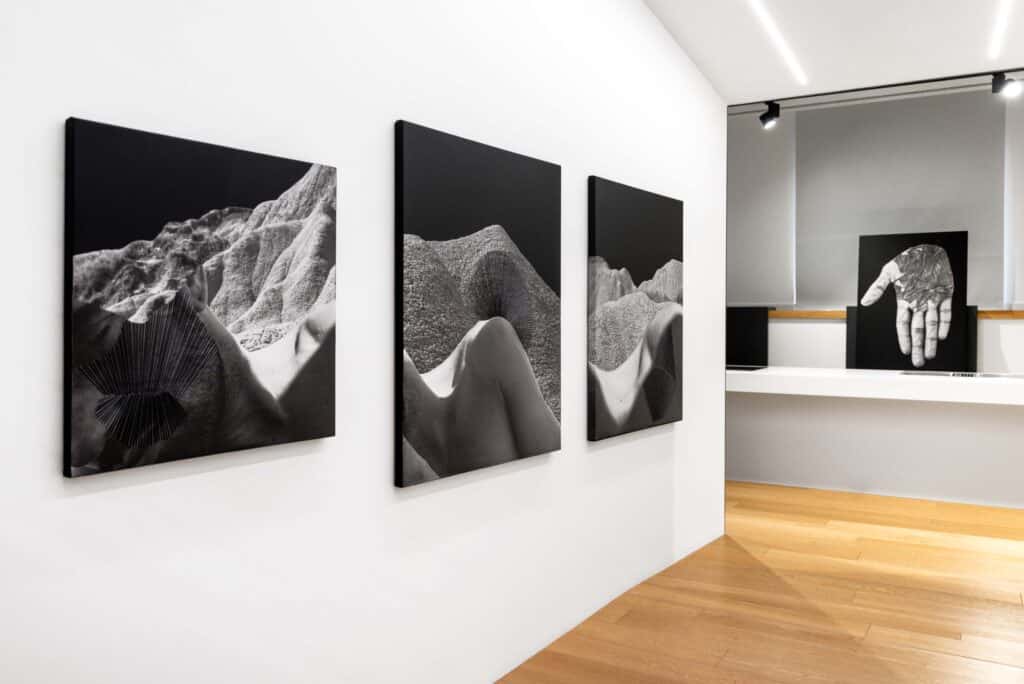
The interview with Betty Salluce marks a new stage of L'ARTE IN FIRST PERSON, a project promoted by Cramum together with Schiavi SpA, with the ideation, concept and creative direction of Sabino Maria Frassà.
Discover previous episodes:
Liu Chien-Kuang. Glass, art and memory
To view videos, enable external content in your cookie preferences.