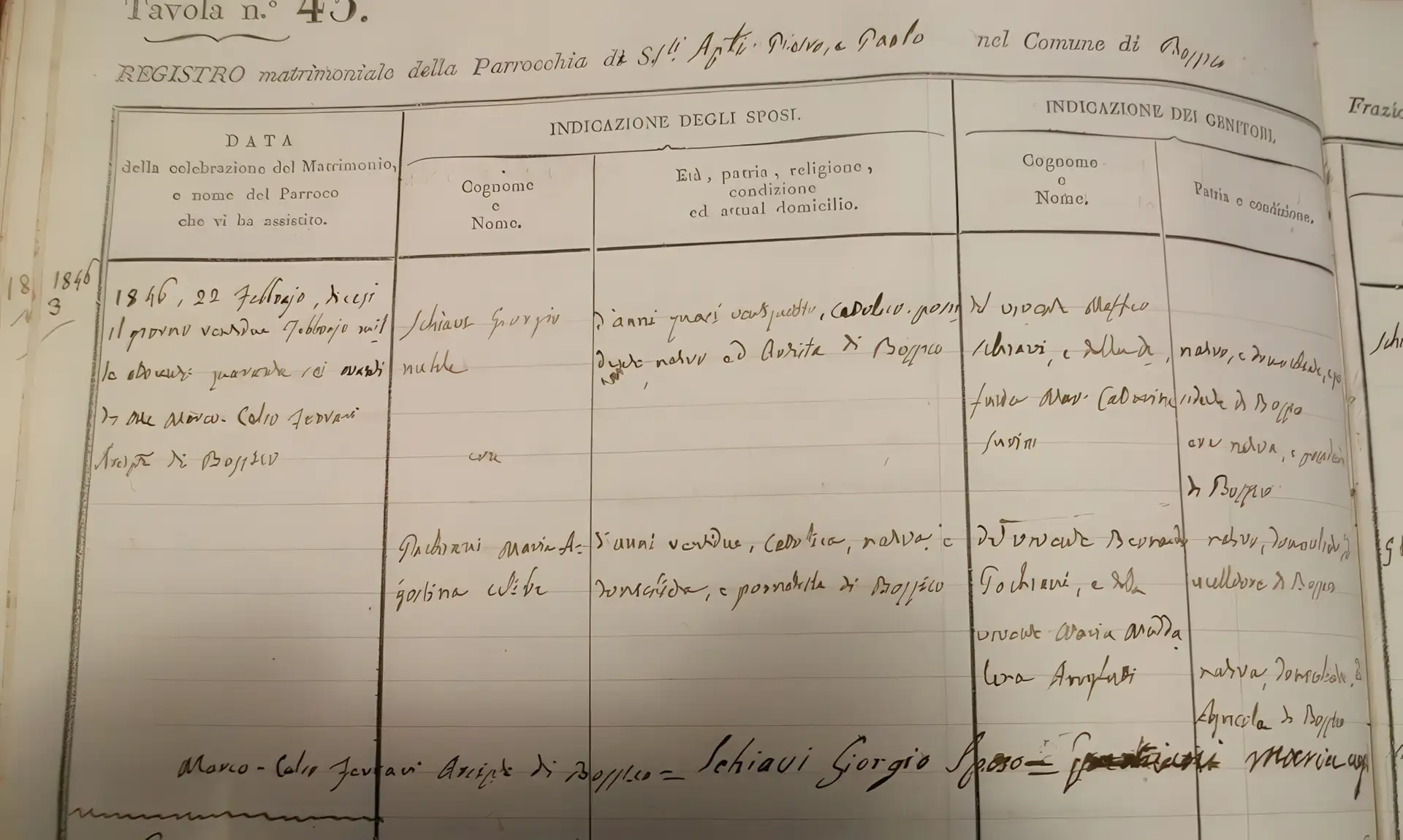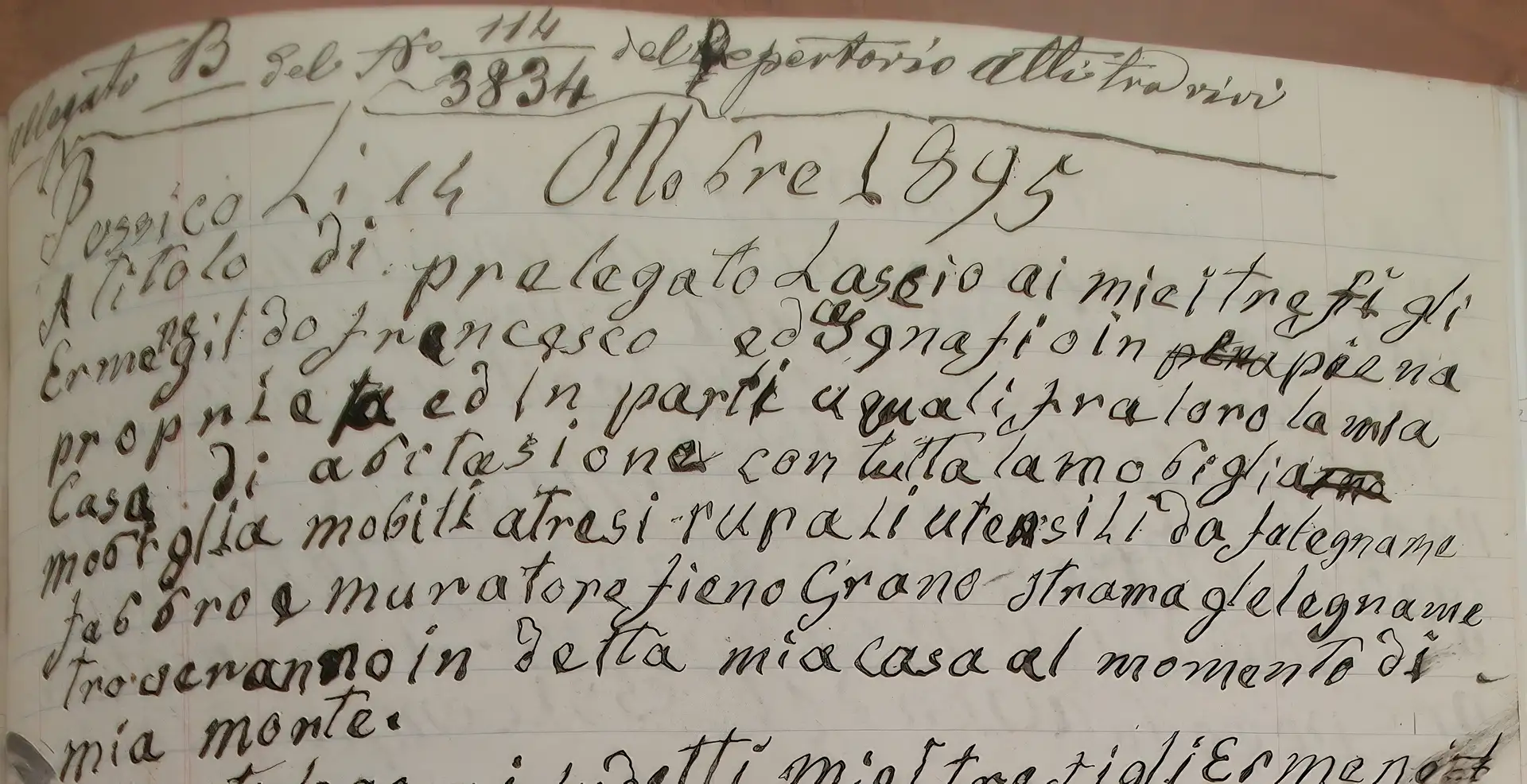
Schiavi s.p.a., a Company on the way On 23 November 2024 the twenty-year anniversary of the appointment of Paolo Schiavi as Chairman of the Board of Directors of the Schiavi Company is celebrated: a change in the sign of continuity, as in the mountains the signpost along a road that continues. The appointment confirms the commitment of the Schiavi descendants in the activity founded by their ancestors over a century ago. At the election of Paolo Schiavi, the increase in social capital, which measures the success of the new corporate structure: from 3 million euros in 2006 to 5 million euros in 2020. The 20th anniversary gives us the opportunity to stop, just as it is done to the trails along a mountain path, to retrace the path made so far by the Slave Enterprise and better understand how its history has become the future. History is not the dustiest volume of the shelf, a list of dates to be sent to memory. It is rather a dance: every time we move a step back on the trails of our past, we are already moving two forward towards what we will do with that past, with that tradition. A step back and two forward, therefore, history is not firm but dance, is on the way. Therefore, the philologist Maurizio Bettini proposes to depict tradition no longer in the form of roots, clinging and immobile, but in the form of tributaries, lively and moving[1] (/news/ventennale-impresa-schiavi/#1The history of the Schiavi Company has distant tributaries. On their respective dates of November 11, 1819 and February 22, 1846, the sacramental registers of the Parish of Saints Peter and Paul in Bossico (BG) record the wedding of Maffeo Schiavi (No. 1791) with Maria Caterina Surini and those of his son Giorgio Schiavi (No. 1822) with Maria Agostina Pacchiani. Both acts define the spouses artists, adherents that is to an art*. Under the date of October 14, 1895, the will of the holographer Giorgio clarifies which art* that this one learns from his father Maffeo. Latto, guarded at the State Archives of Bergamo in the threads of the notary Francesco Rosa (14,825-14,861), lists in fact in legacy to the children of the testator: * tools for carpenters, blacksmith and mason*. Since 1819 and then in 1895, the Schiavi family has exercised the art of building that, especially in mountain architecture, contempera knowledge of carpentry, masonry and iron working. At the Parish Archives of Bossico, the nineteenth century activity of the family is detailed in three payment receipts, released to the aforementioned Giorgio Schiavi between 1857 and 1858 in execution of some wall works and carpentry for the local Fabbriceria. Every receipt is attached, signed by Giorgio, a separate of the works carried out and the materials used: working days, axes and nails of various sizes, beams and wooden beams. The receipts are all declared for different invoices of carpenters and masons, performed in the coadiutorial house plus various repairs to the roofs and tools of the Church. The three documents, each composed of receipt and distinct, testify the stable, professional profile in which the Schiavi family exercises the art of the masonry and carpentry. The works delivered are not in fact occasional but carried out according to the expert skills of a craftsmanship active at least from the early nineteenth century: a trajectory that, according to a principle of family continuity, is expressed today in the Schiavi S.p.a. Company, led by the heirs of Maffeo and Giorgio Schiavi, artists of Bossico. In the sacramental registers of the Parish of Bossico, the act of death for Giorgio Schiavi, dated on June 8, 1899, confirming it as a mason, carpenter and blacksmith: art in which it is formed by the father Maffeo and in which he forms his children Ermenegildo, Maffeo and above all Francesco (1856-1900), whose descendants continue their activity in the form of the company of the Schiavi Company.
Since the early 19th century, the commitment paid by the Schiavi in the art of masonry and carpentry is not solitary, individual, but involves the whole family, foreshadowing a style maintained even in the current corporate structure. The cross-consultation of three different sources allows to measure the breadth of this involvement: the Lists of Leva of the military district of Bergamo, kept at that State Archives; the civil state registers of Bossico in second copy, kept at the same institution; the aforementioned sacramental registers, kept at the Parish Archives of Bossico. It emerges so that Giorgio Schiavi, son of art of Maffeo and father of the masons Ermenegildo, Maffeo and Francesco, works in team with other relatives still. ================================================================================================================================================================================================================================================================ The bridegroom artist of 1846, certainly exercises a charisma on the others of the house initiated to the same art: both for age and birthright and for the competent initiative with which he signed received and distinguished as those of the biennium 1857-1858. However, the fact that George is son of the mason Maffeo and cousin of other mason, the same name George was Carlo, leaves the hypothesis that the Schiavi practice this profession already in the eighteenth century, handed it down on several branches of the family at the rise of the following century. Certainly, the civil state registers, compiled also for Bossico since 1866, refer with rebutted certainty to the profession of mason in the acts relating to the men of the Schiavi house. In these papers the activity of blacksmith and carpenter seems gradually underlying, absorbed in the service of the delivered yards, preferring more and more the unique wording of mural. Along the nineteenth century the Schiavi family gradually coincides with the constructive activity, which engages the most part of the men of the house. This coincidence between family and enterprise matures the ambition to start a young Schiavi, Giorgio was Maffeo (1884), at the degree in Engineering[2][2][/news/ventennale-impresa-schiavi/#2) The boy enrolled at the University of Turin and then at the University of Padua but, a few exams from the thesis, he dressed the Alpine uniform and fell in 1916 at Malga Cosmagnon on Mount Pasubio[3] ]./news/ventennale-impresa-schiavi/#3====Silver medal=======================================================================================================================================================================================================================================================/news/ventennale-impresa-schiavi/#4The two deaths in the trenches to the point of risking the activity of the Schiavi di Bossico builders: the survivor Luigi Schiavi courageously was Francesco (1899), cousin of the first fallen and brother of the second, assumes on himself the task of giving vision and perspective to the family art, enrolling in 1928 in the Chamber of Commerce of Bergamo under the progressive 19.045[5] (/news/ventennale-impresa-schiavi/#5). With the name of Impresa Schiavi S.p.a. the sons of this man, including the current president Paul, and therefore the grandchildren continue their centuries-old commitment to build as a rule of art. A good figure to understand traditions, such as the family and active one of the Impresa Schiavi, is the "faithful commissary"*. It is a law device, much invoked in the wills between the Five and the eighteenth century, until the Napoleonic Code abolishes it. The bond of the faithcommission obliges the heirs not to liquidate the assets they inherit. They can only improve and pass them on to those who come after them on the way. The faith committed is an old tool of law but still teaches us: we are not consumers at the end, anxious to consume everything before the lights turn off; we have the charisma to interpret tradition, the past, the history to make it future.
Parish Archives of Bossico, year 1846
State Archives of Bergamo, Testament of Giorgio Schiavi, year 1895
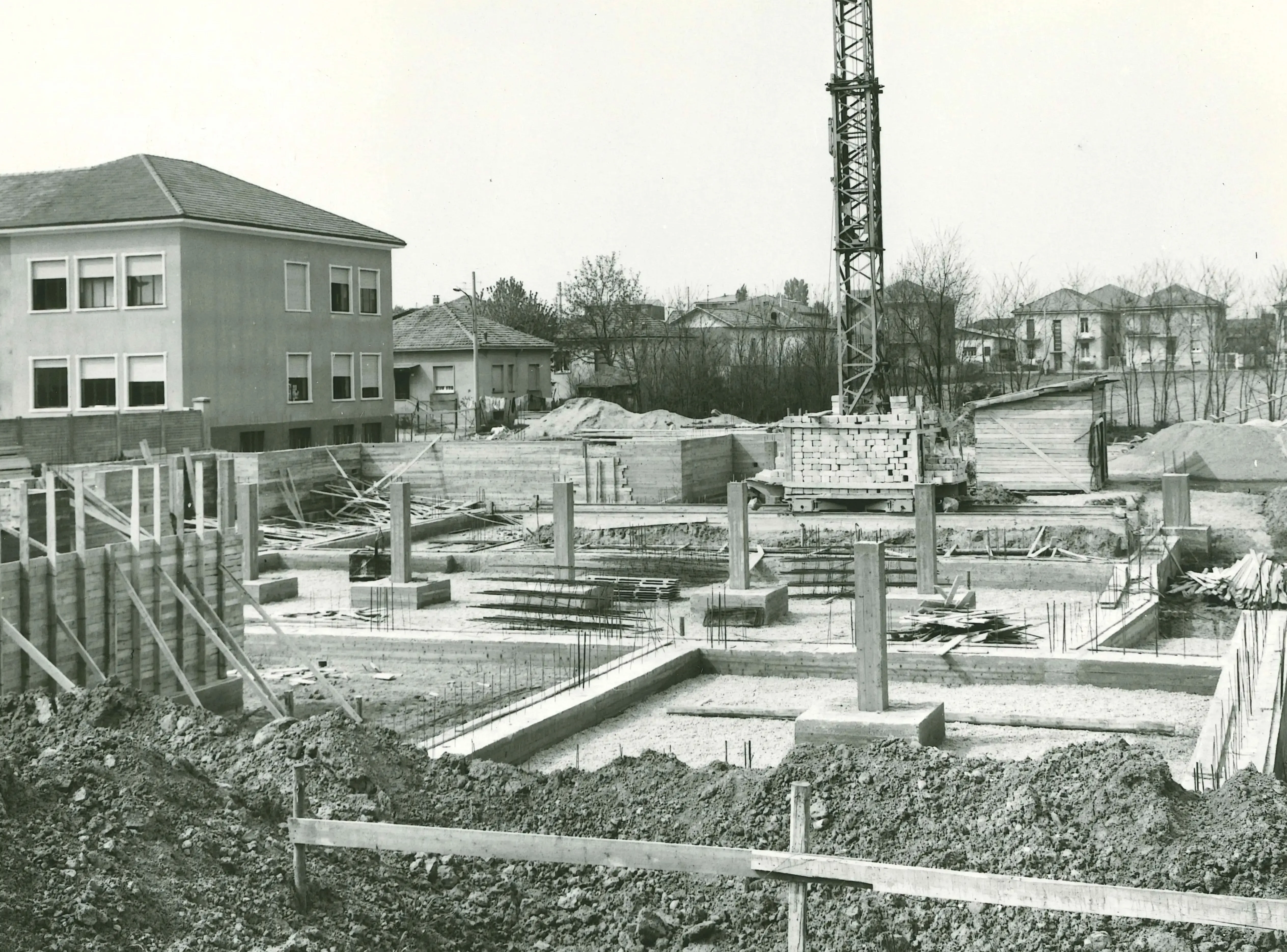
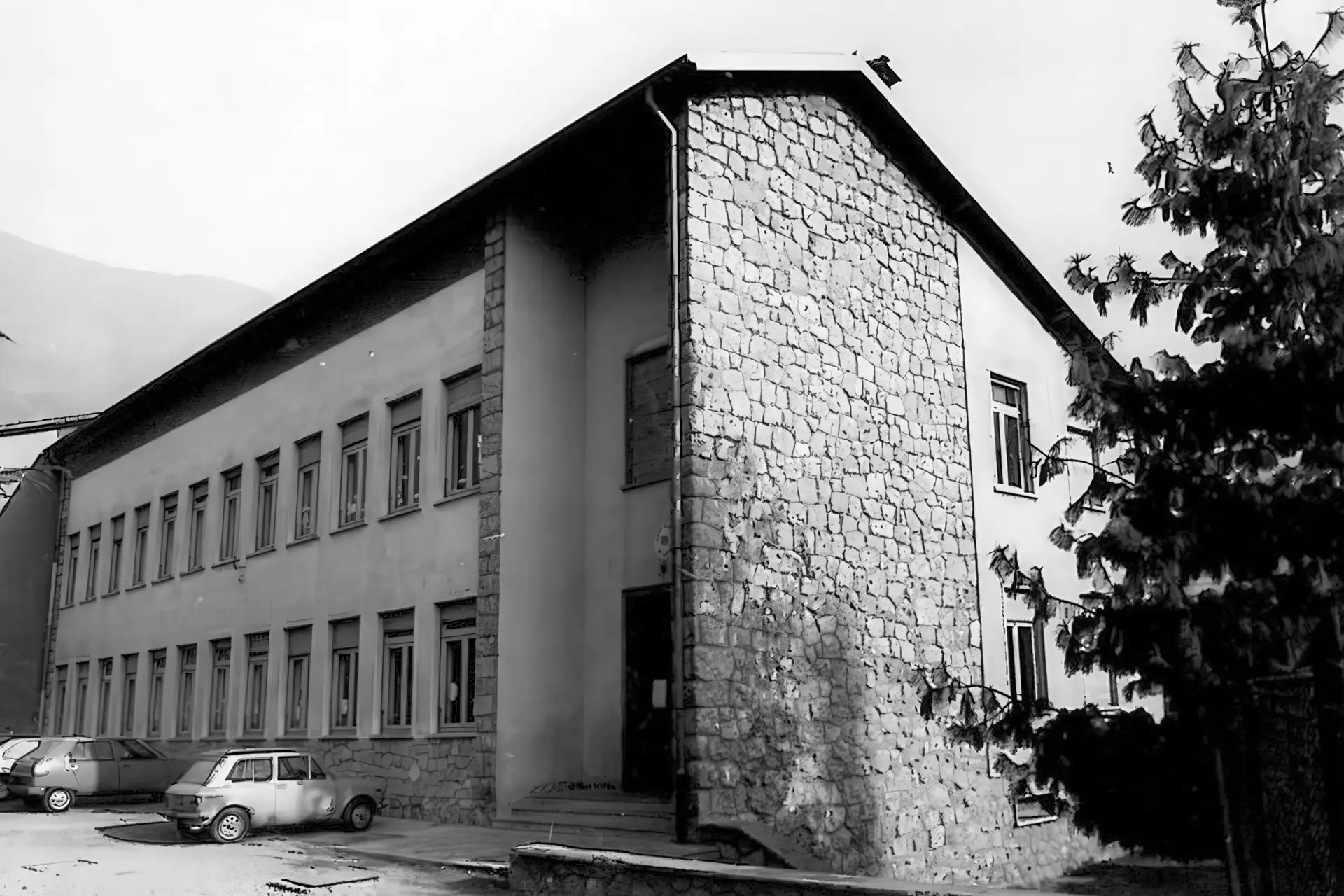
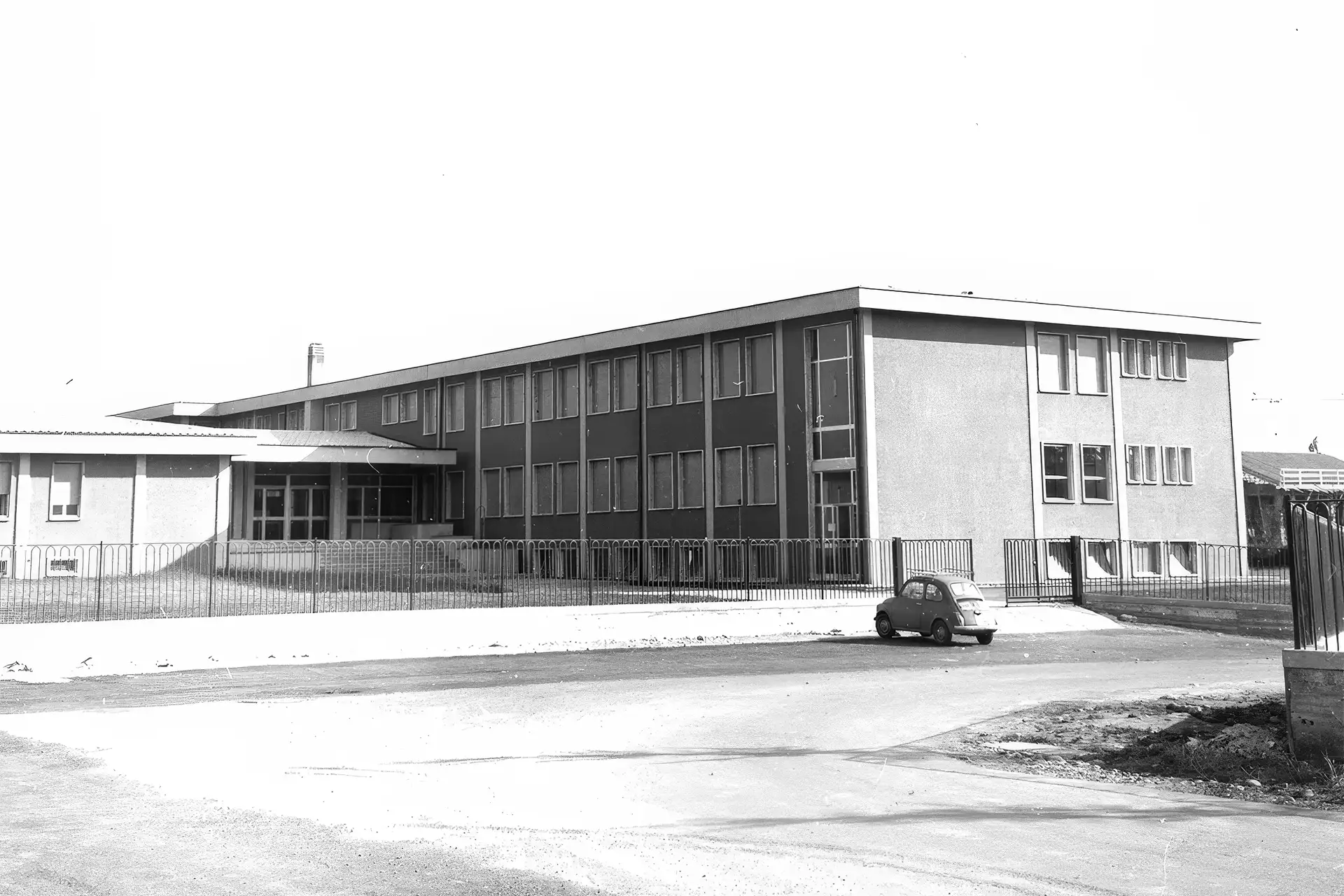
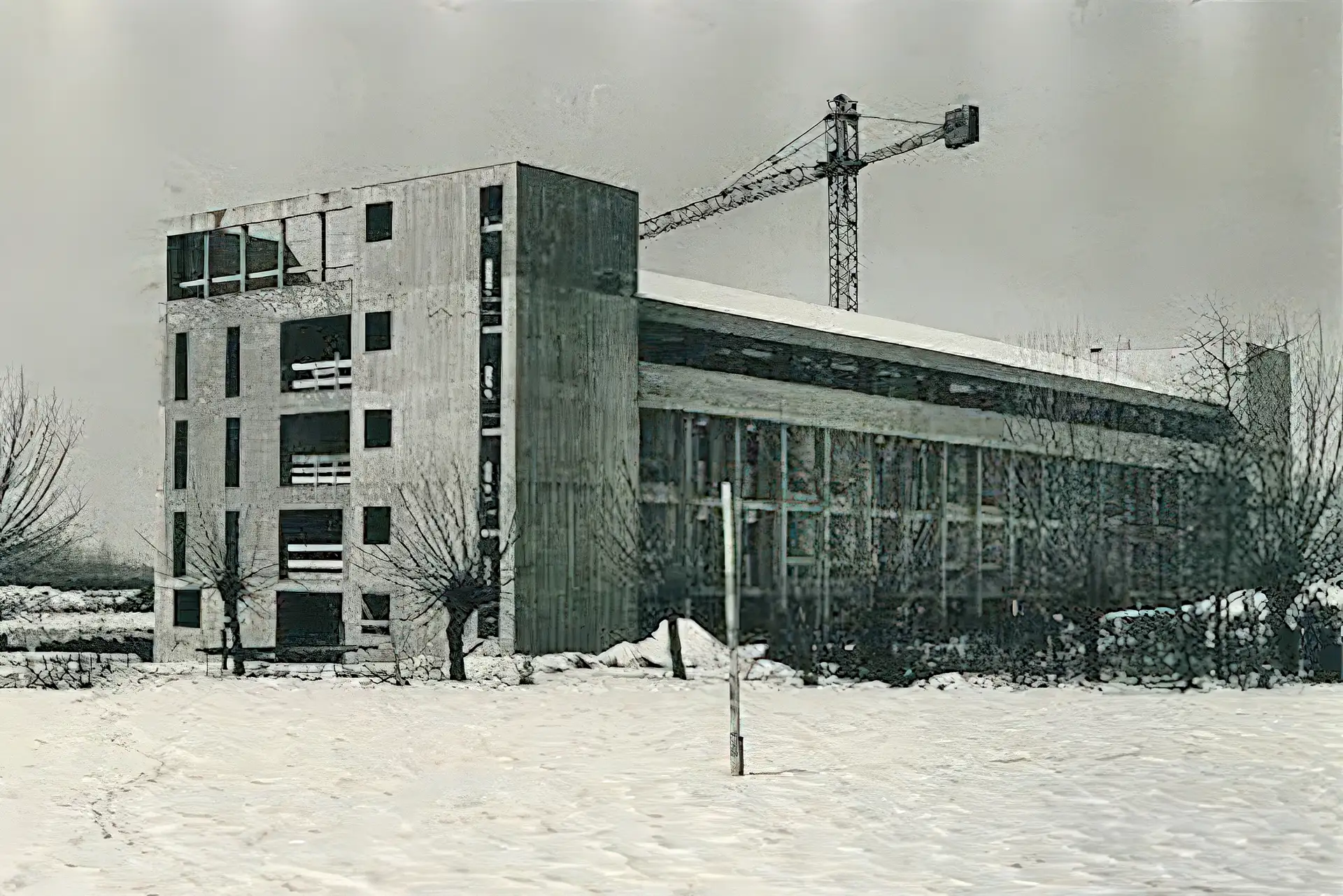
Elementary Schools, Borgo di Terzo (BG), 1955 years
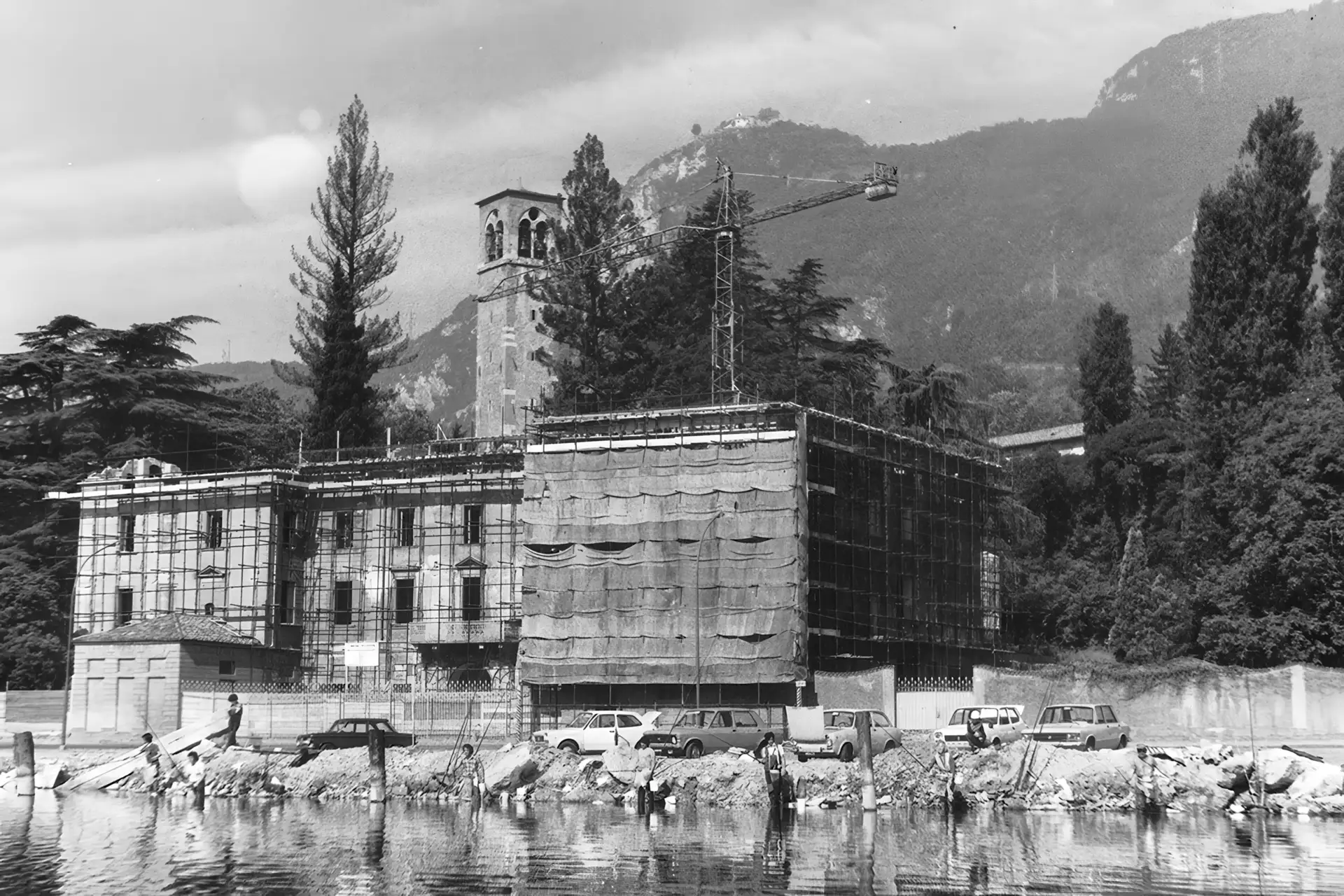
Renovation Villa Milesi, Lovere (BG), 1975
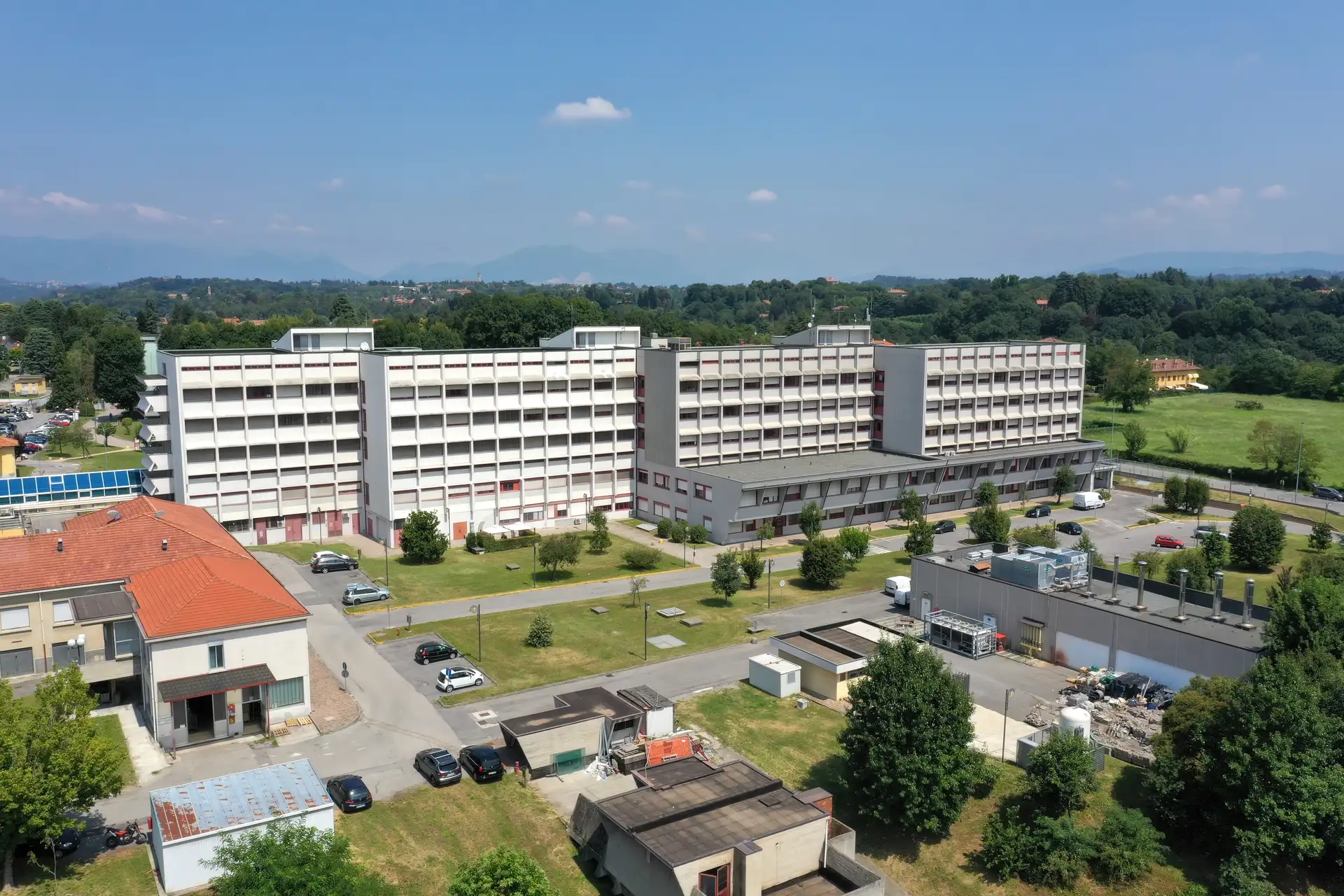
New Hospital Vittorio Emanuele III, Carate Brianza (MB), 1975
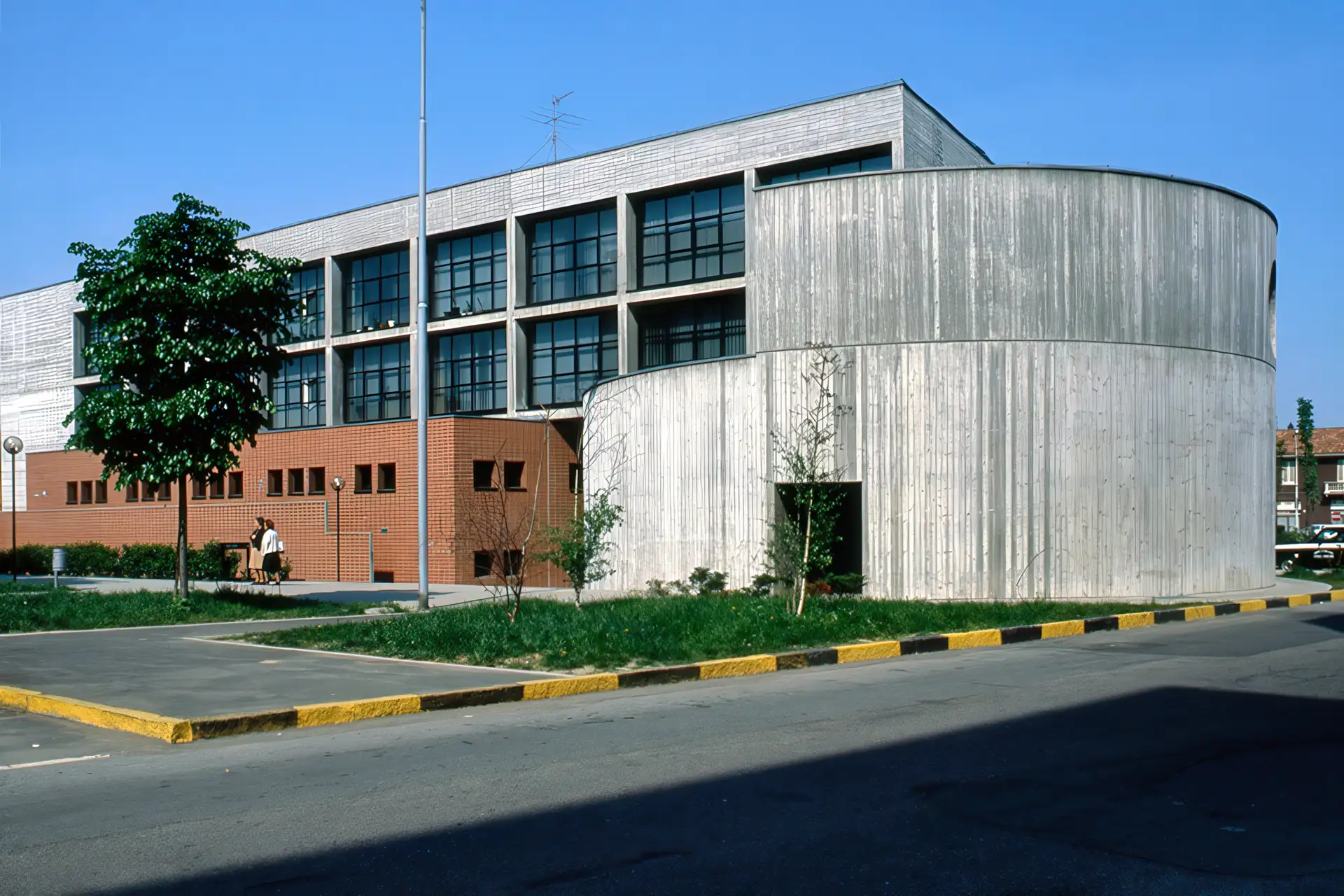
School and Gymnasium, Bellusco (MB), 1977
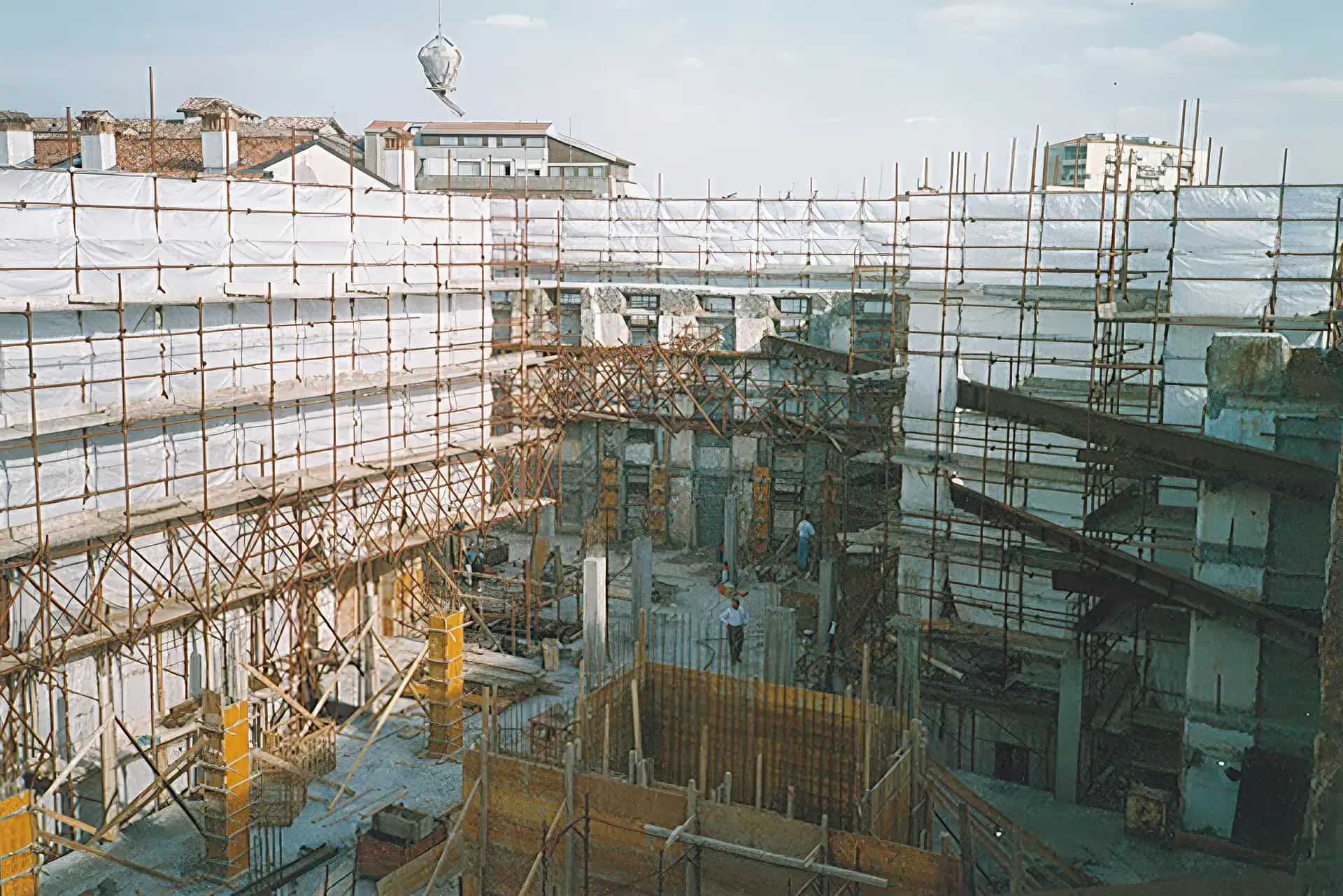
Palazzo del Municipio, Vimodrone (MI), 1984
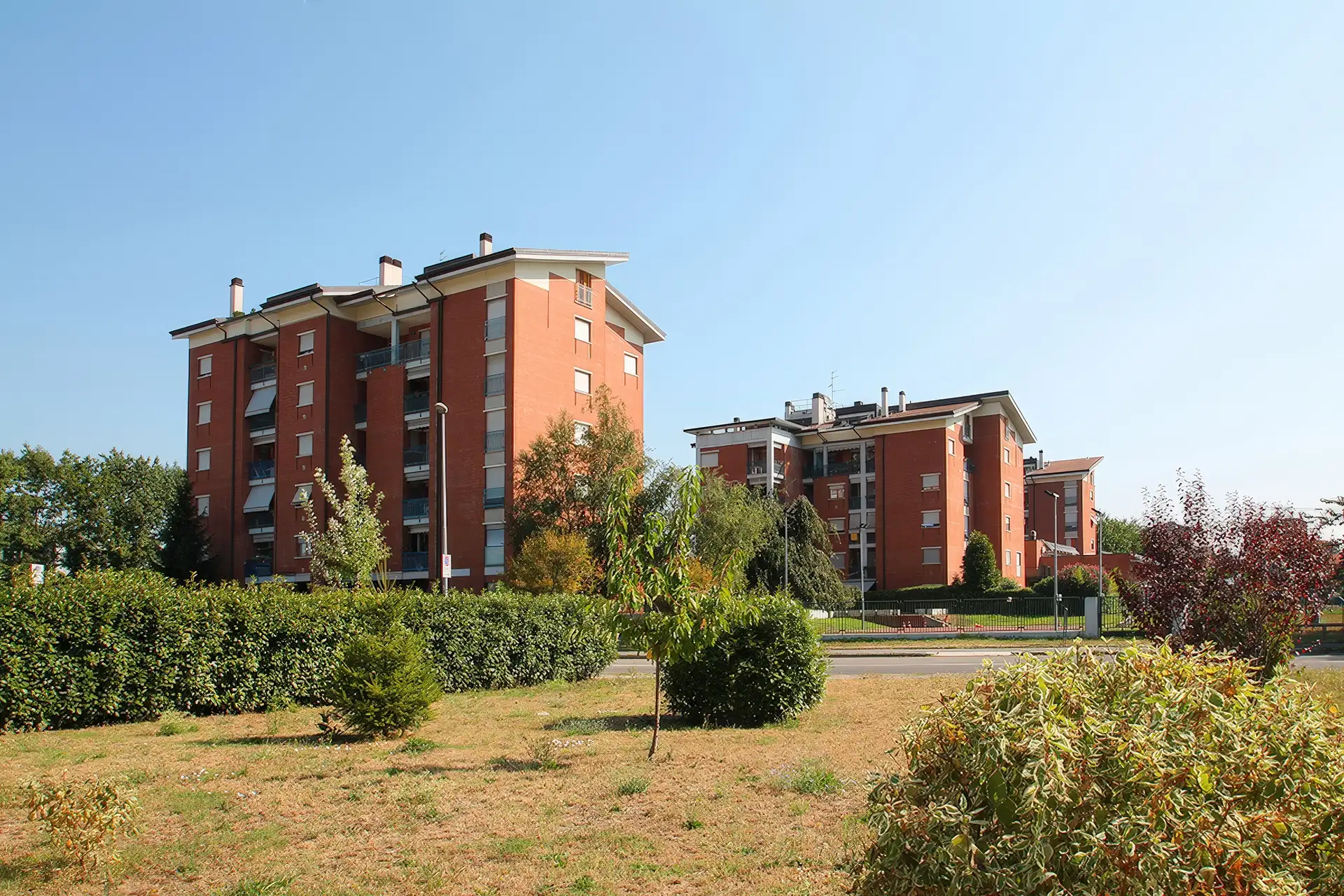
residence Aurora, Cinisello Balsamo (MI), 1989 years
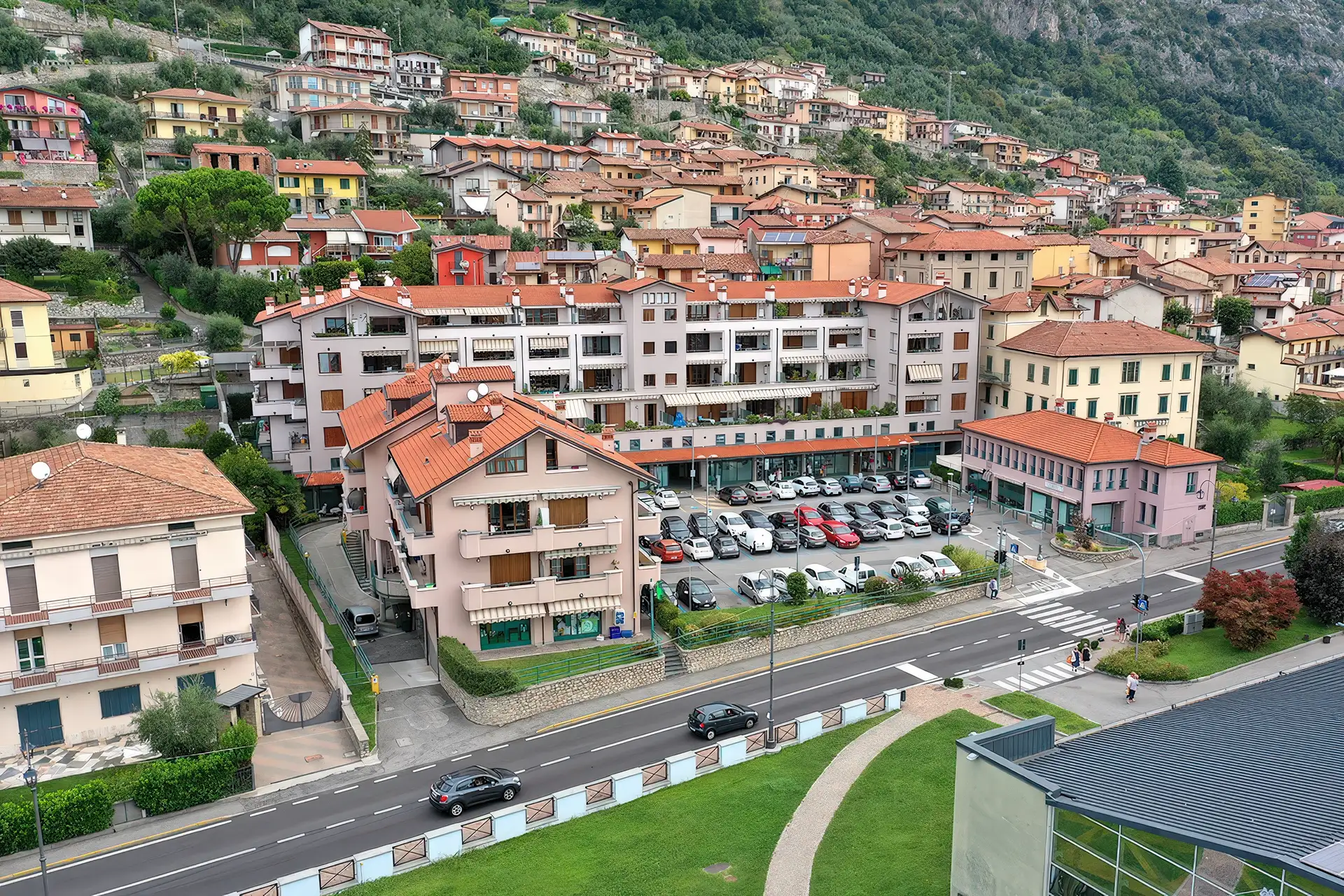
Residence Panorama, Predore (BG), years 1995
Vittoria Residence, Bergamo, 1997
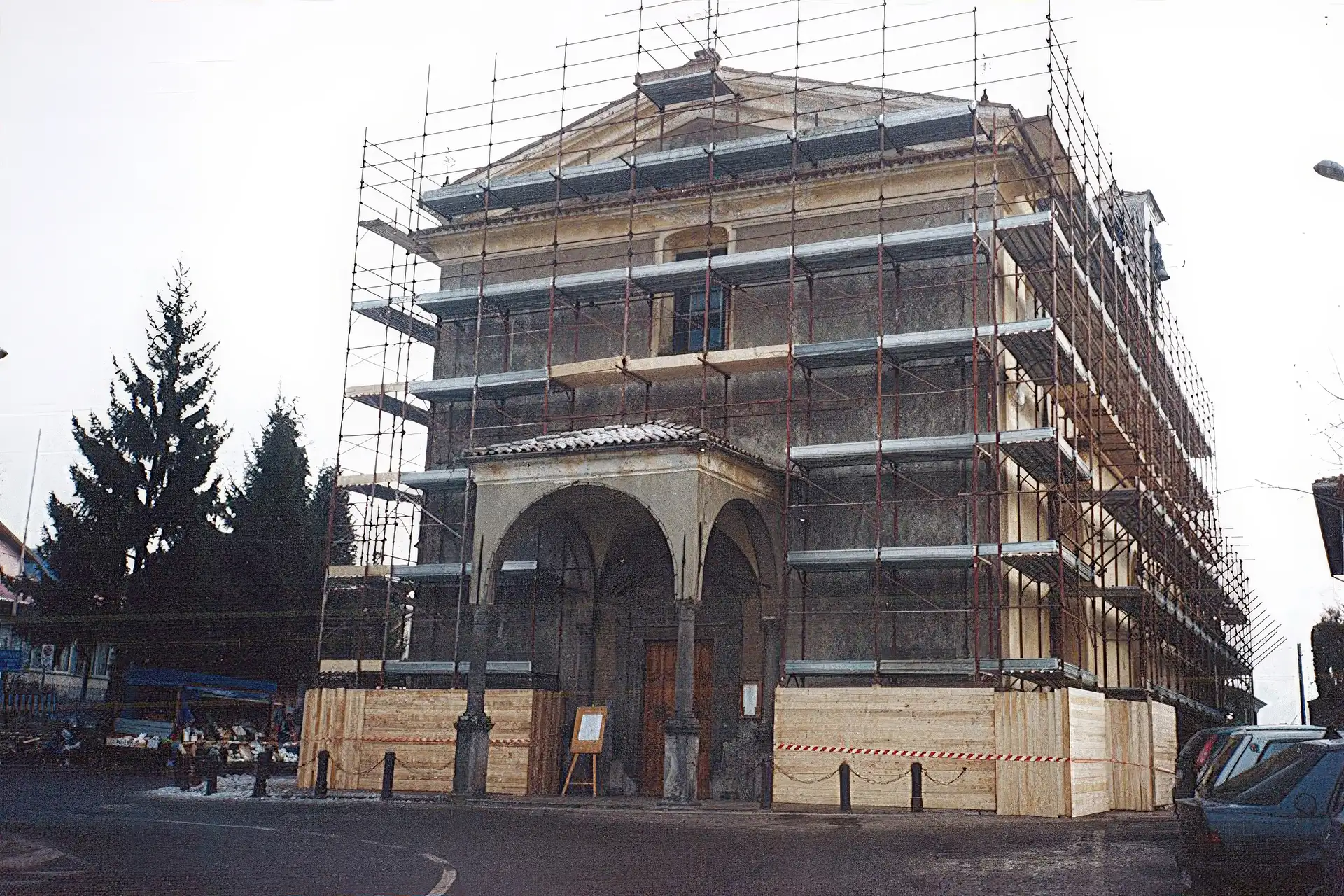
Parish Church, conservative restoration, Bossico (BG), years 1998 2000
Cascina Civasco, Rhône (MI), years 2003
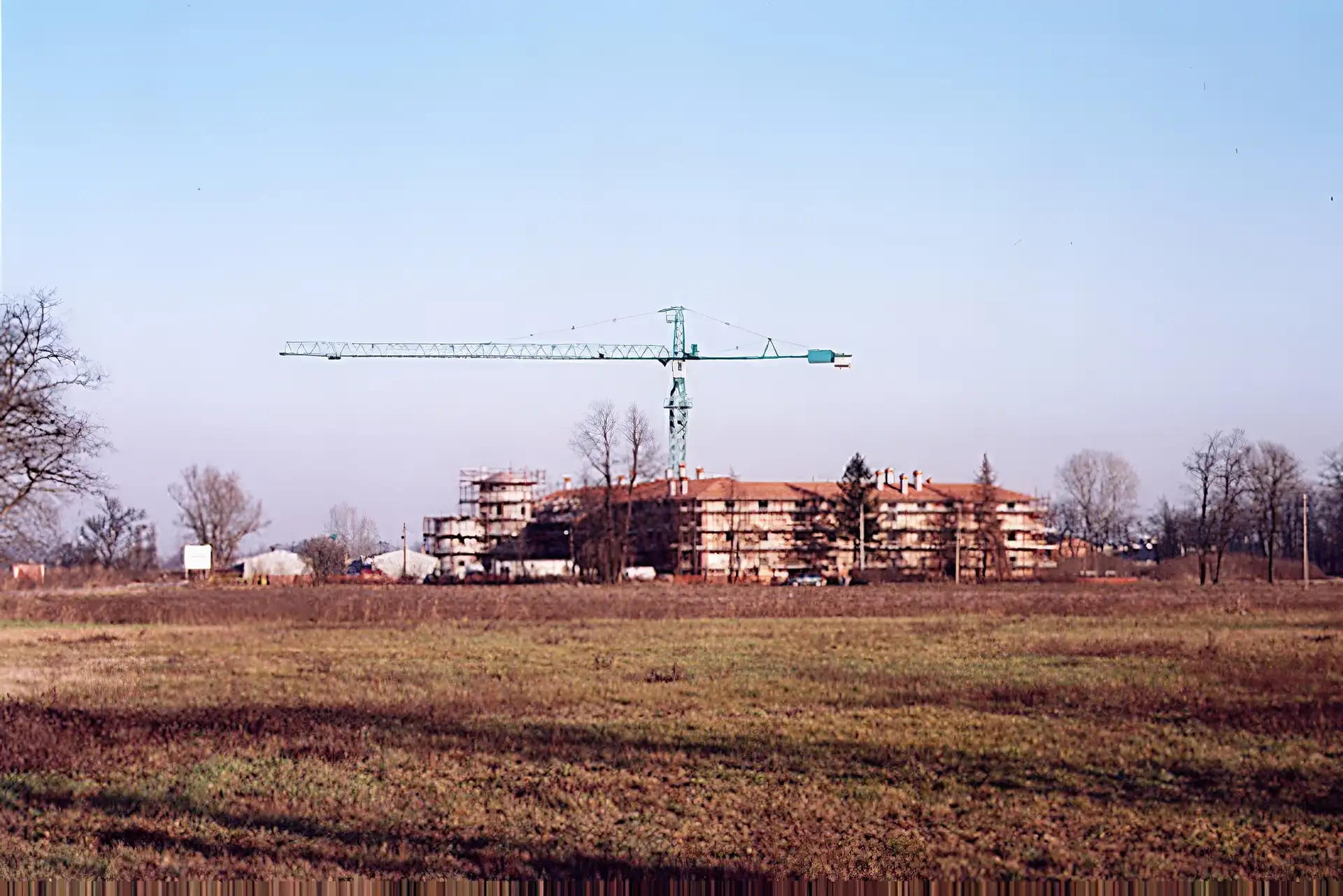
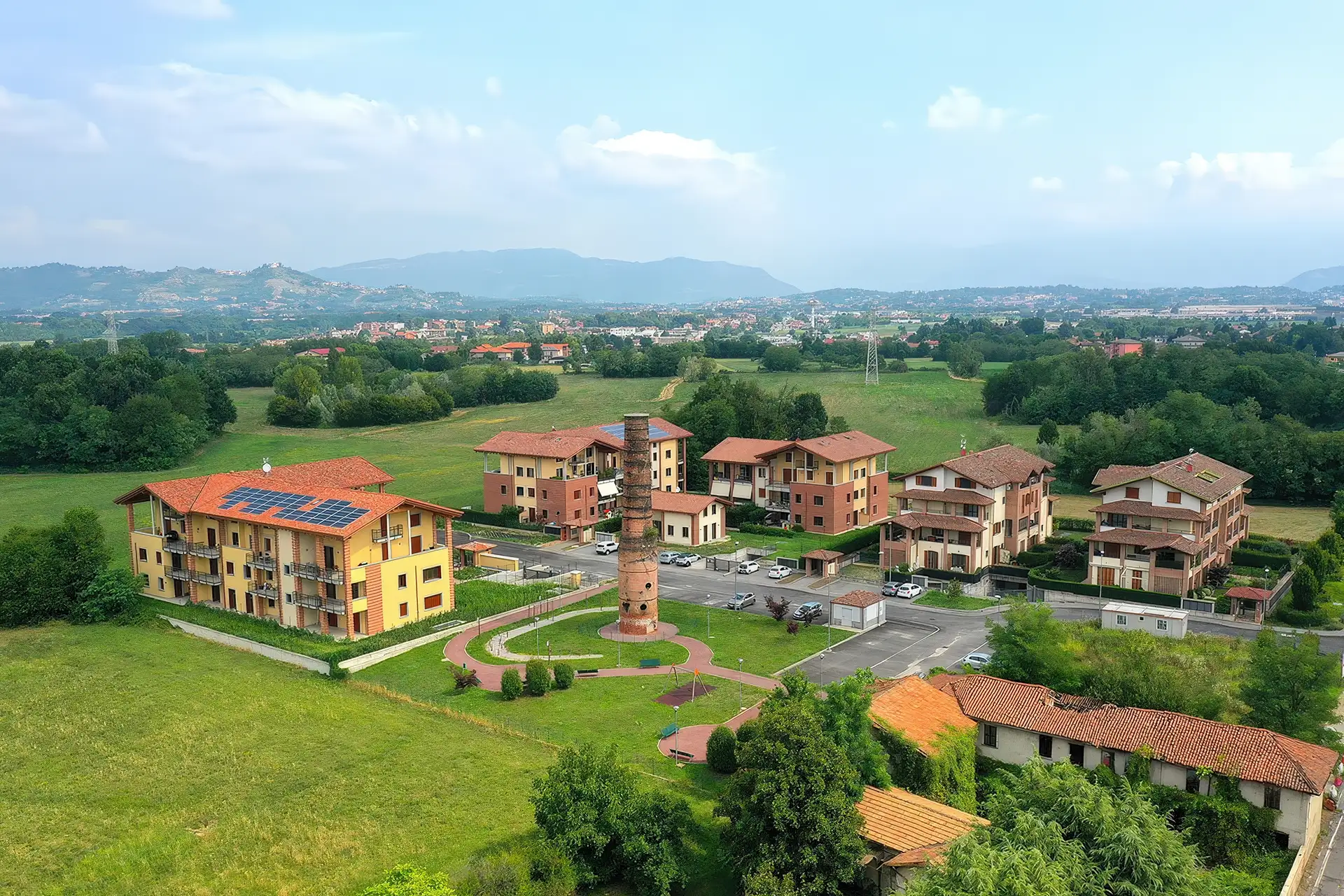
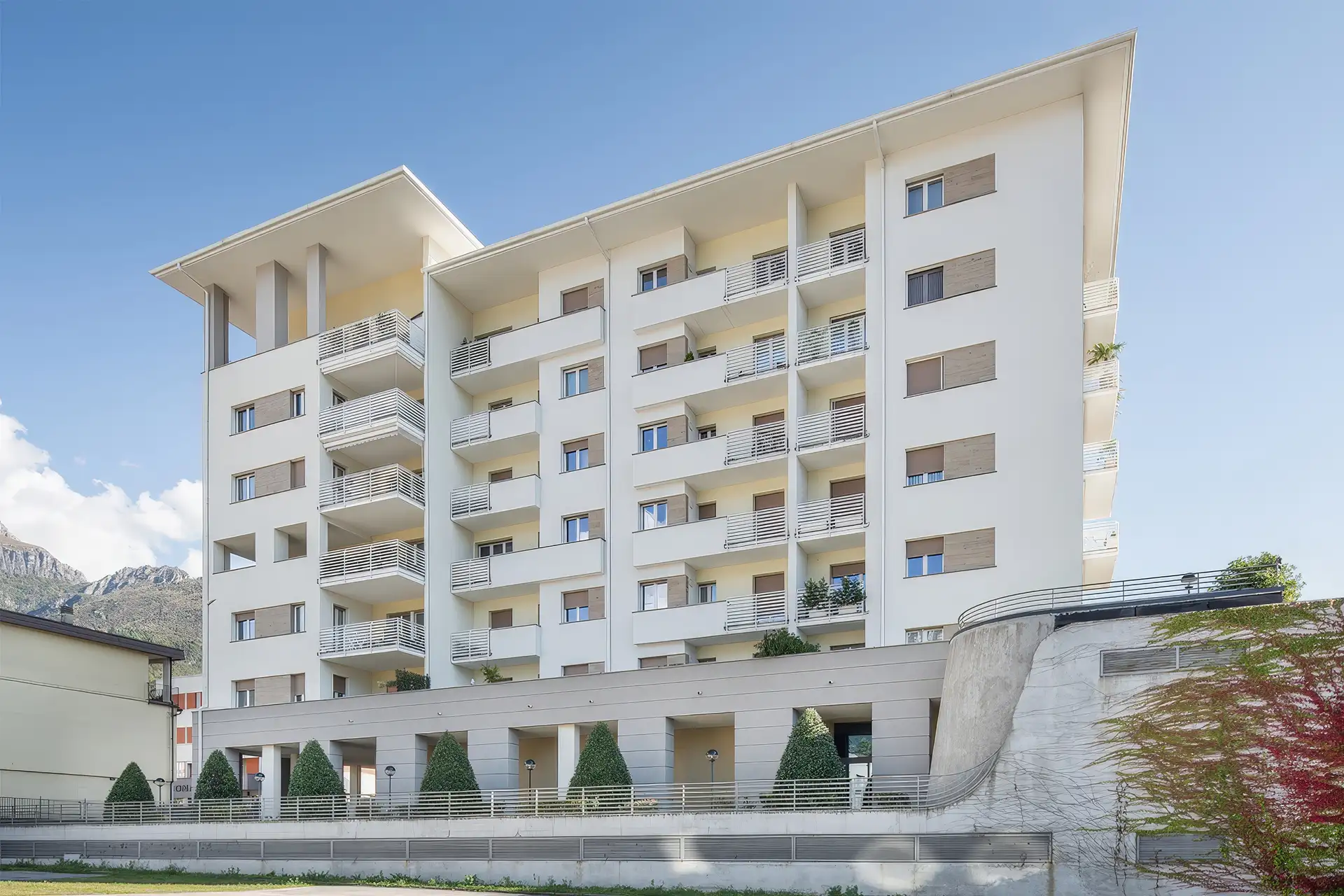
Ancient Fornace Residence, Carnate (MB), years 2009
residence San Martino, Lecco, years 2017
M. Bettini, Against roots: tradition, identity, memory, il Mulino, Bologna 2012.
Historical Archives of the Polytechnic of Padua: 4-130, Schiavi Giorgio, News, preprinted without date; Engineering, 108-F, Schiavi Giorgio, Academic Years 1911-1912, 1912-1913, 1913-914; see Piero Del Negro, Students of the University of Padua who fell in the Great War 1915-1918 in
State Archives of Bergamo, Military District of Bergamo, Ruoli, 1884, freshman 13072, Giorgio Schiavi was Maffeo.
Ivi, 1895, freshman 521, Giorgio Schiavi was Francesco
Archive of the Chamber of Commerce industry, crafts and agriculture of Bergamo (ACC), Register of firms c/o Legler family Foundation of Ponte San Pietro, 19045, Schiavi Luigi.
To view videos, enable external content in your cookie preferences.