In the building** ** residential** it is often heard of * civilstablestable, a term that indicates a specific type of building characterized by particular qualities that determine the cadastral classification. More in detail, they are related to:
- Destination of use: for civil buildings it is always residential. This means that buildings of this type are specifically built to be used as homes.
- Constructive characteristics: must be medium-high, i.e. involve the use of quality materials and attention to finishes.
- ** Installations and services**: Civil buildings are always equipped with efficient facilities and condominium services. These can include intercoms and video intercoms, elevators, central heating and more.
- Location: must always be in a habitable area, that is residential and well served.
What is the difference between civil, noble and economic buildings? It should be made clear that civil ** and stable, noble are not synonymous at all. The main difference between these two types of buildings is the quality level as well as the geographical or town area in which the building is located. More specifically, the stable, lordly is usually located in geographical areas or high-quality districts and has constructive characteristics and superior finishes than the simple civil building, with consequences also in terms of taxes, rents and real estate incomes.
Similarly, at the opposite end of the spectrum there are the economic stables, which generate a lower yield because of lower value. At the cadastral level, the lordile type houses are classified in category A1, those of civil type **in category A2 and those economic in category A3.
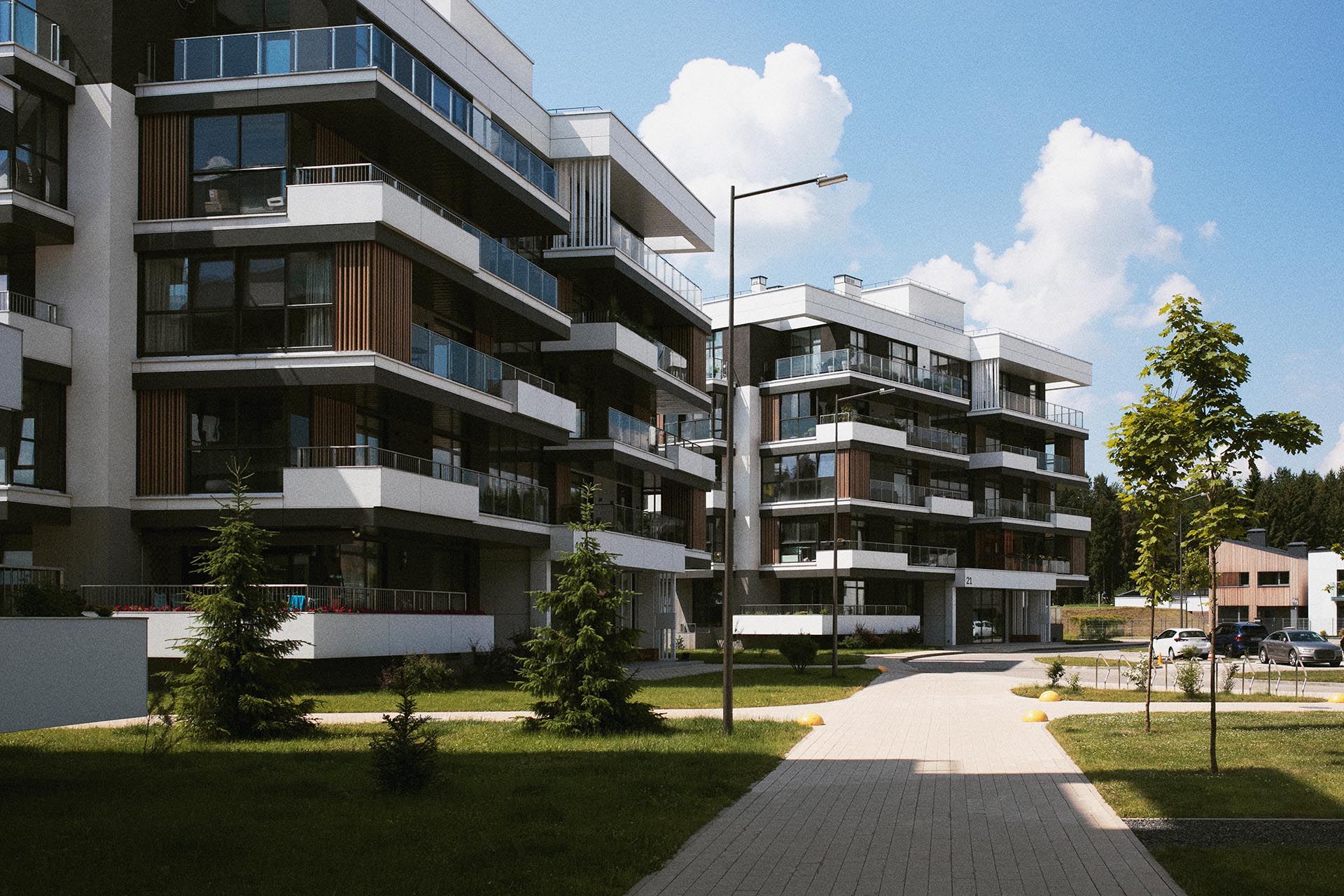
Civil stable: what type of building to expect? An example of a civil stable in category Cadastral A2** could be a condominium located in a quiet and well connected residential area of the city, characterized by good quality construction and the presence of mid-high finishes. This type of building offers various comforts and services to its residents and maintains a destination of purely residential use. Let's imagine it now in even more practical and detailed terms:
Location: in a residential area of the city, with easy access to basic services such as schools, supermarkets, green areas, and well connected to public transport.
Constructive features: building built in the 1990s, with a reinforced concrete structure, painted facades and thermal insulation to ensure good living comfort.
Finishes: The building has good quality finishes, such as parquet floors in the living and sleeping areas, medium-high-level ceramic tiles in the bathrooms and kitchen, wooden or PVC windows with double glass for a sufficient level of thermal and acoustic insulation.
Impianti: The property is equipped with central heating, air conditioning in the common areas, videophone for safe access and elevator.
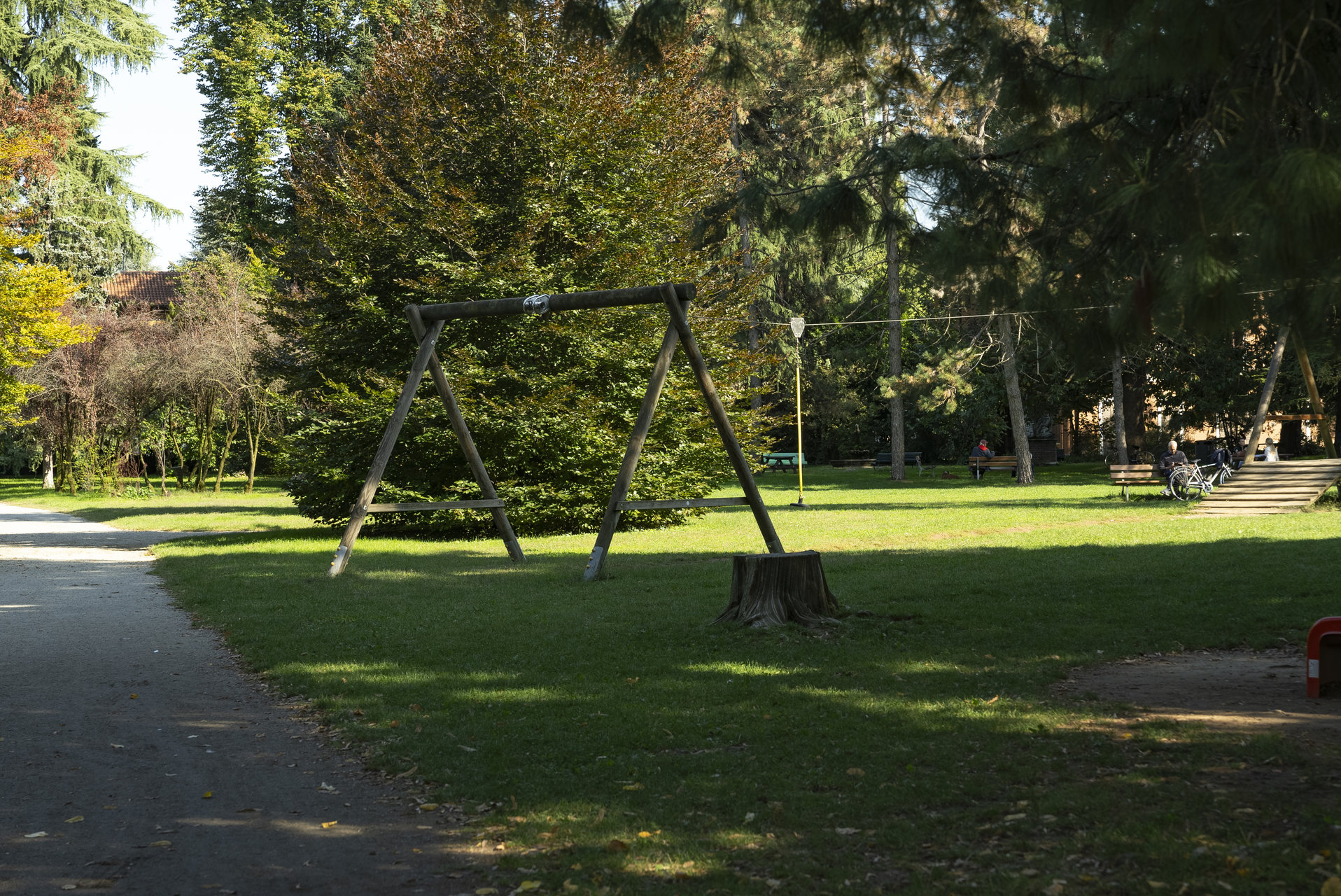
Condominium services: The building includes green areas equipped for the relaxation of residents, a parking lot and a small courtyard with playground for children. Finally, we try to propose the cadastral description of one of the apartments present in this building:
Catastal surface: over 80 square meters.
Number of rooms: five, with living room, kitchen, two bedrooms and two bathrooms.
Category Castale: A2, which identifies civil housing, with a residential use destination and medium-high construction characteristics.
Destination of use: The apartment is suitable for both main residence and as The second house, depending on the needs of the owner. This example illustrates a typical accommodation solution that offers a good compromise between building quality, available services and comfort, and can therefore be considered ideal for families or professionals looking for a property in a residential area of the city.
Economic, civil or elegant? The criteria for choosing the right home The choice between an economic, civil or elegant home depends on several factors that must be carefully assessed to meet the buyer's personal needs and preferences. Here are some criteria to consider:
- Budget available: The first and fundamental criterion is the budget available. Economical housing tends to have a lower purchase cost than civil and stately housing, and are therefore accessible to a wider range of buyers.
- Accommodation needs: Personal and family needs play an important role in choosing a home. For example, a large family tends to prefer a larger and more comfortable home, while a person living alone could opt for a smaller and more practical apartment.
- ** Investment objectives:** If the purchase of the house is aimed at an investment, it is important to evaluate the possible financial return over time. It is obvious that the noble, though more expensive, housing will offer a greater appreciation of the value over time than the economic ones.
- Location and context: The geographical location and context in which the dwelling is located are decisive factors in the choice. The noble dwellings are often located in prestigious and well served areas, while the economic ones tend to be located in less central or more peripheral districts.
- **Lifestyle:**Lifestyle and personal preferences also influence the choice of home. Those who want to live in a luxurious and refined environment will tend to opt for a noble house, while those seeking a simpler and more functional solution generally prefer an economic dwelling. Ultimately, There is no universal solution and the choice between an economic, civil or elegant dwelling will always depend on a series of individual and subjective discrimination. as Schiavi Spa can certainly help to clarify any doubts and to identify the solution best suited to your needs.
To view videos, enable external content in your cookie preferences.