For a few weeks now we have been taking you on an interesting journey in the energy redevelopment of existing buildings**. We have talked about the ecological, cultural, civic and urbanistic value of these types of interventions, aimed not only at requalification but also, in the broadest sense, at restoring new life**" to already realized structures. redevelopment of existing buildings is a way that allows to operate in terms of improvements on artifacts already present for some time in the urban and social context of a territory, adapting them to the new living logics and the most advanced criteria of ecosustainability.
And if we have addressed in our last speech the issue of the importance of the removal of the eternit from the roofs and the subsequent reconstruction of the artifacts, today we will tell you how much difference it is able to make, within a housing structure, a smart choice in terms of windows. home is, by its very nature, a physical and psychological repair. It is the place where everyone of us seeks refuge not only from the heat of a summer day, from a particularly aggressive storm, from the freezing temperatures from winter, but also from the vicissitudes and stresses of everyday life. It is a simple principle, but at the same time cardine to understand how the ** concept of well-being**, in its broadest and holistic sense, must always be the first objective of any designer. It is precisely in this concept of "well-being" that the redevelopment of an existing building with the intervention on its windows must be framed. These fundamental components of the building are in fact an integral part of a synergy conceived and implemented to ensure the protection we seek, and of which are also the protagonists the perimeter walls and the aforementioned cover.
But if the latter are essentially born with the primary aim of constitute a physical barrier that divides the familiarity of our homes from the outside world, the windows have a much more ambiguous and complex function: delimit the spaces "private" and, at the same time, **open to what awaits us outside them.
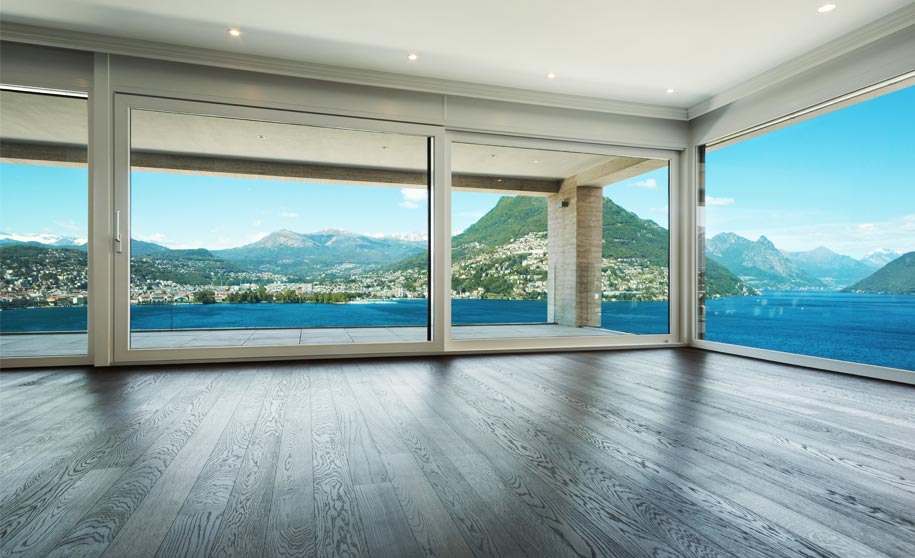
If you think of a material like glass you will immediately understand how it succeeds, by its very essence, to fulfil this task: the glass is also a glass, which allows the look of overtaking the boundaries of the house, moving outside, and the light and the sun to overtaking again, moving towards inside. Poetic, but not so practical if you consider the technical characteristics of this material: it is in fact the lock the first weak point of the building envelope from a thermal point of view! Compared to the matt walls and the roof, consisting of different layers of material that can retain heat inside or outside depending on the case, glass windows contribute to disperse heat accumulated in the cold months, or to let the sun rays enter the house during the summer season. To overcome this objective criticality, over the years designers and window designers have dedicated themselves to the creation of windows that can offer an efficiency and performance ever greater. In what way? By improving the various components of the artifact, from frames to the glass itself. In this sense, the sector's evolutions were massive and led to the creation of products of the highest value, such as thermal-cut windows, double glazing, the use of special protective gases and films capable of substantially improving the characteristics of the glass material. In conclusion, these are the reasons why any energy redevelopment intervention will never be able to i regardless of an evaluation and careful choice of the windows. The replacement of old and disqualified elements from a thermal point of view, such as single glass windows with metal frame, will therefore be made with new products such as high performance wooden windows. The concrete contribution to energy saving of the entire building will be LaPalissian. Likewise, deciding to not intervene on the windows in the context of an energy redevelopment would mean vanify efforts made on all other components of the building.
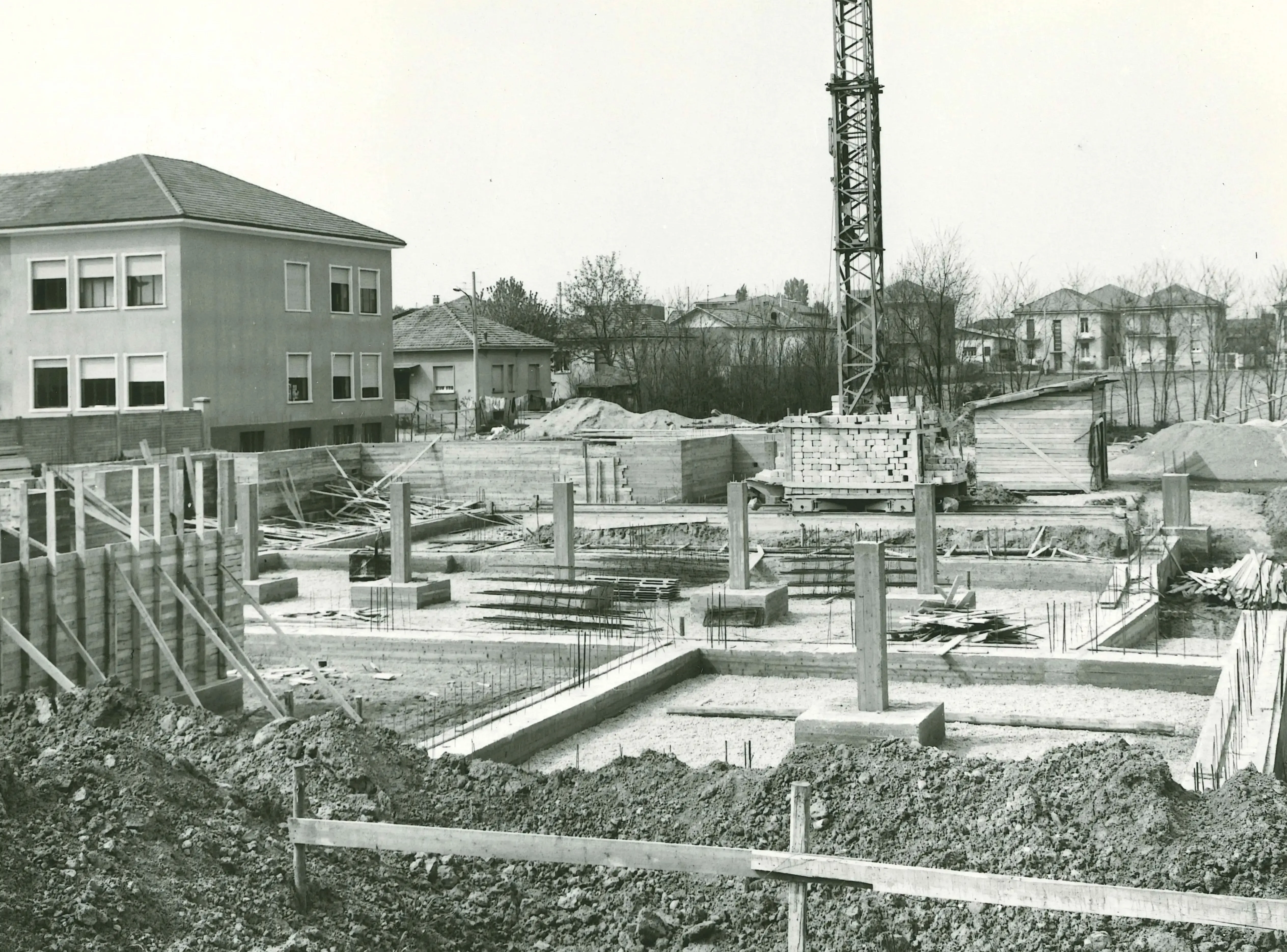
In the practical example of the intervention carried out at Arese by Schiavi Spa, which we are using as a comparison stone to tell you the very concept of energy redevelopment, the old wooden windows with single glass have been replaced with double glass windows with PVC thermal cutting frame. The choice was not random: we wanted a solution that was able to severely limit heat losses while ensuring an environment The interior is more comfortable. Anyone who benefits from the first hand of such optimized domestic environments knows without doubt all the advantages: a more collectable house, in which neither the temperature nor the atmosphere are affected by ** an excessive 'invadance'** of the outside. A healthier environment, more respectful from an ecological point of view, lighter in its impact on the planet and on the household bill.
To view videos, enable external content in your cookie preferences.