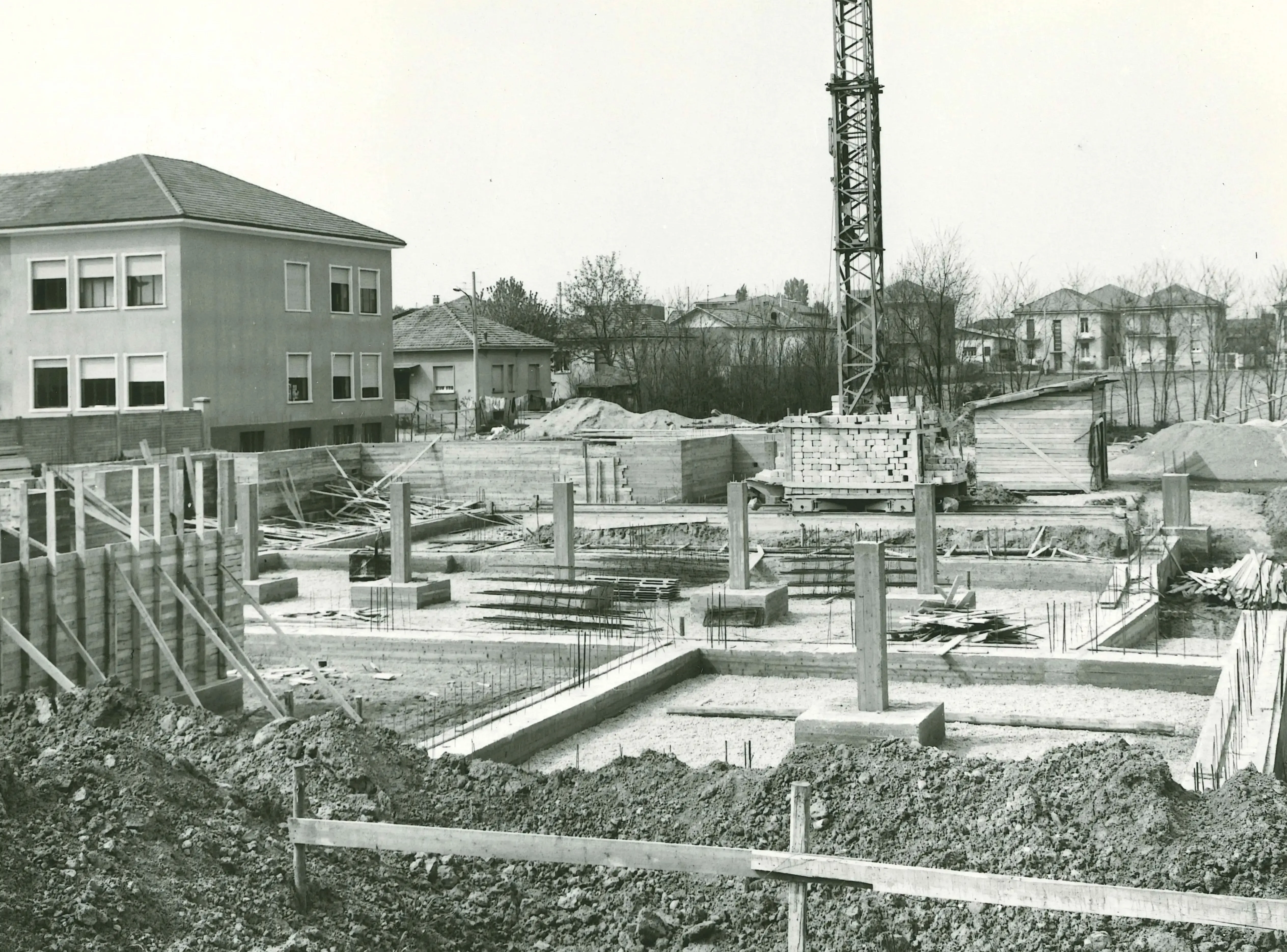
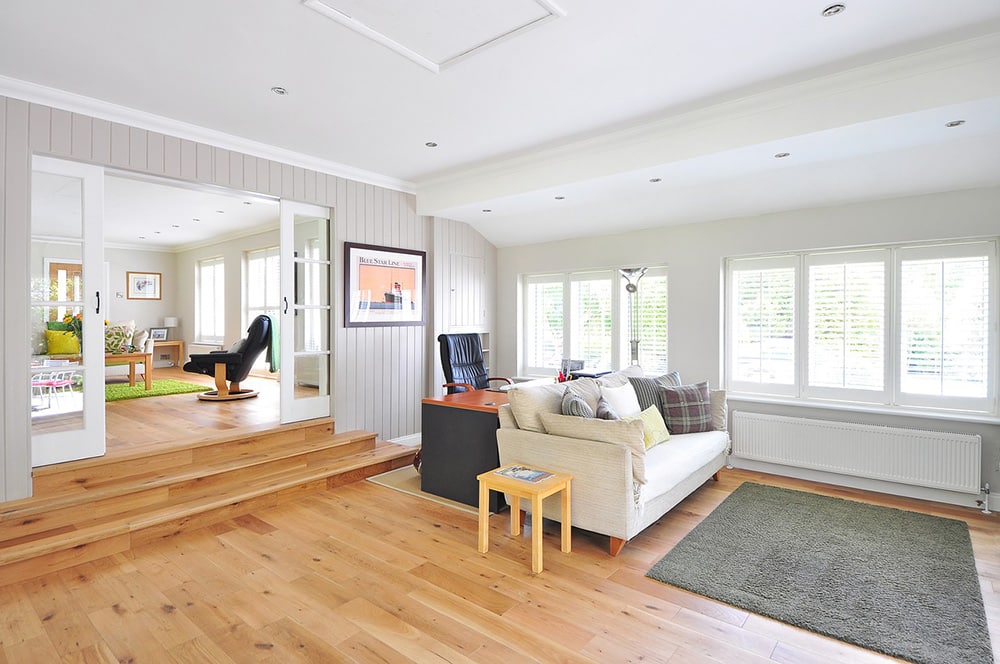
Is it possible to intervene on a pre-existing floor and re-do it without any demolition? In some cases, such a operation is possible and could prove the correct solution to avoid invasive work at home or to reduce the investment of time and money that the complete replacement of a floor entails. It is in fact important to remember that, within the renewing of the interior, the best operating mode consists in identifying a right compromise between the result to be obtained and the investment really sustainable.
The floor is the
The other basic condition for refusing the floor without demolishing is to at least ensure that the conditions for stableness of the surface on which to operate are met: in practice this means that the tiles moving will first be fixed to the background, and that it will be necessary to work in a preliminary way so that the flooring is as uniform as possible**. Then a careful cleaning of the existing floor**, necessary regardless of the subsequent application.
Put a new floor on the existing floor: glued or floating? The first solution can be represented by the application on the existing floor of a ** additional ceramic floor, or a parquet or a PVC floor**. As already mentioned, the tiles, slabs or chosen surface will have to guarantee a reduced thickness to the bone but, at the same time, also excellent mechanical qualities to resist the normal treading on the surface. The selected floor can be applied by different laying methods: a gluing, total or partial, or ** support** • i.e. in floating mode. The choice between these methods should always be made after consultation with professionals or specialist companies. Generally speaking, ** floors glued on the old surface** not demolished clearly use adhesives, and become unmoveable once applied. This type of intervention is ideal if you want to create a rather permanent solution over time, or at least for a long time, and can be used for both ceramic and parquet flooring, as well as PVC flooring. On the contrary, floating floors are substantially supported** to the underlying surface and made stable through appropriate concrusting systems. In this case, the use of glue is not necessary but instead will proceed all assembly of the various elements so that the final result is compact and durable. It is recommended, of course, to choose floating floors of great quality, so as to avoid having to manage an unstable flooring and prone to cracks and cracks. The additional alternative in terms of replacement of the floor without any demolition can be represented by the moquette that, in recent years, has come back in vogue thanks to the numerous technological implementations and the variety of solutions. The current ** textile flooring**, unlike the past and when choosing excellent quality, today guarantees exceptional performance, easy maintenance, excellent aesthetic impact.What is your optimal choice for this type of ** non-invasive renovation**?
To view videos, enable external content in your cookie preferences.