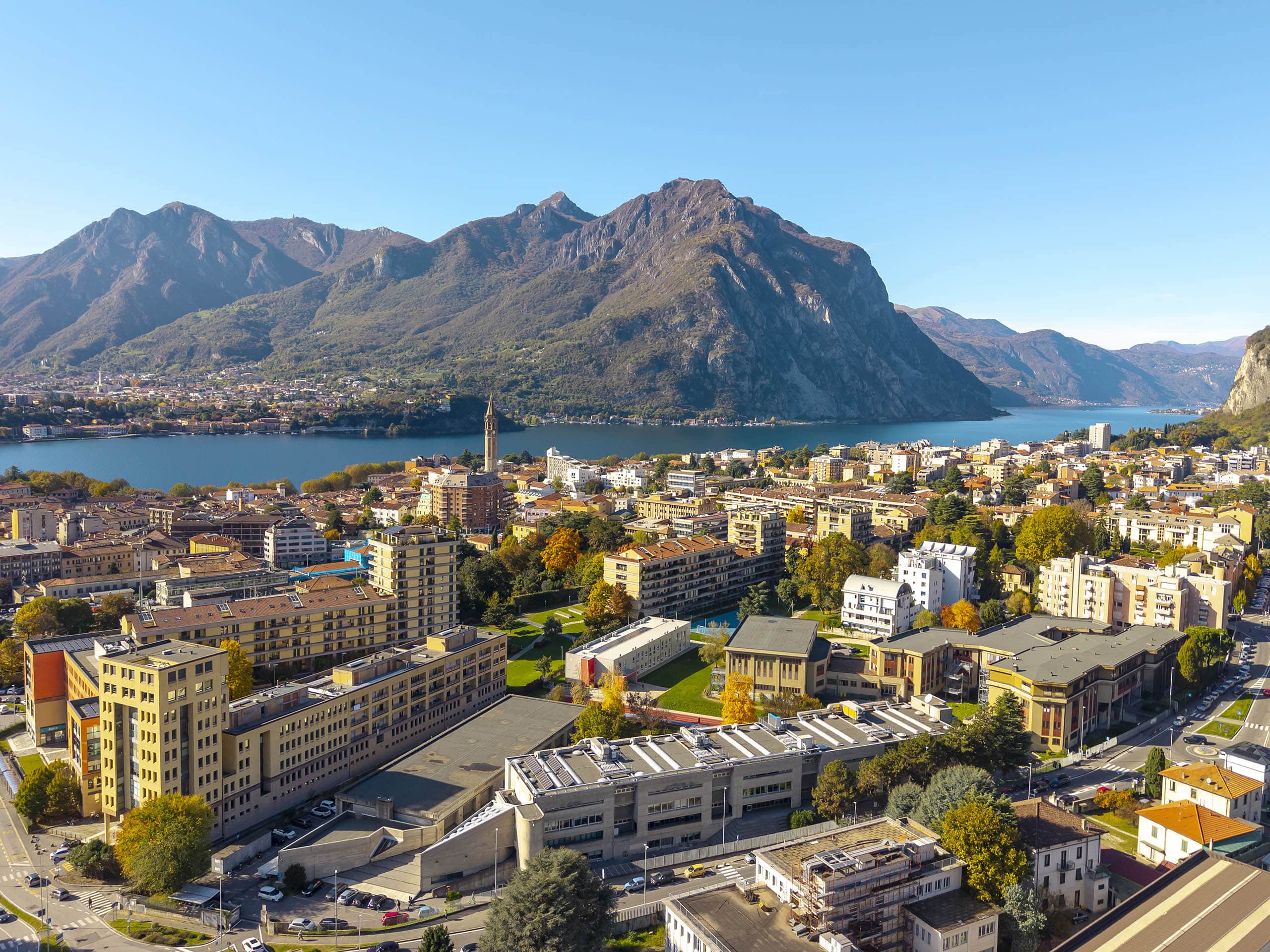
Lecco is the place where the landscape of the Promessi Sposi becomes real. Between Villa Manzoni, Pescarenico, Acquate, Olate, the Ponte Azzone Visconti and the Fortress of the Innominata, an itinerary through the Manzoni places tells the city and the territory of the Lario. There are cities that are known through the monuments, others through the landscapes. * Lecco can also be known through a novel.** It is here, between the lake, the Adda and the mountains, that Alessandro Manzoni set a fundamental part of the "I promessi spousi"*, transforming places really existing in one of the most recognizable scenarios of Italian literature.
Even today it is possible to follow the trails of the protagonists through the city: starting from Villa Manzoni, passing from the old town and the ** Ponte Azzone Visconti**, arriving at Pescarenic, climbing towards Aquate and Olate and continuing to Closed and Vercurago, on the trails of the Innominated.
It is a path that allows you to look at Lecco with different eyes: not only as a city overlooking Lake Como, but as a real literary landscape**.
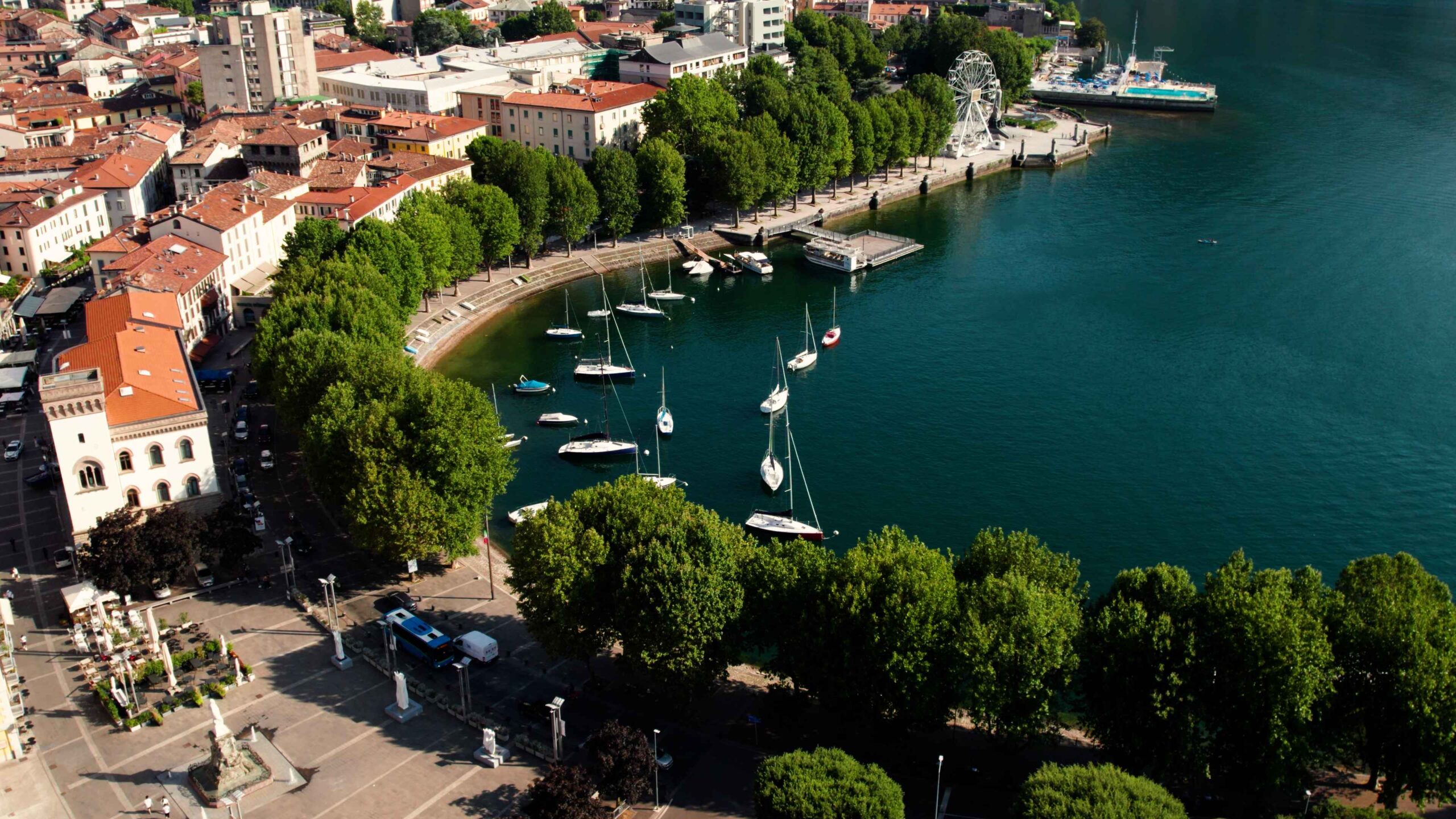
Villa Manzoni: where the journey begins The starting point of the Manzoni places in Lecco is Villa Manzoni, in the Caleotto district. The villa was the home of the Manzoni family and here Alessandro spent part of childhood and youth. Today it houses the Manzoni Museum, with furniture, objects, prints, manuscripts and important editions of I promessi spousi, including those of 1827 and 1840. Its position also allows to understand how the landscape of Lecca was present in the formation of the writer. From the rooms of the villa the look opened towards the lake and the Resegone: this scenario is traditionally associated with the inspiration for the beginning of the novel. From Villa Manzoni starts not only a tourist route, but a true exploration of the relationship between Manzoni and Lecco.
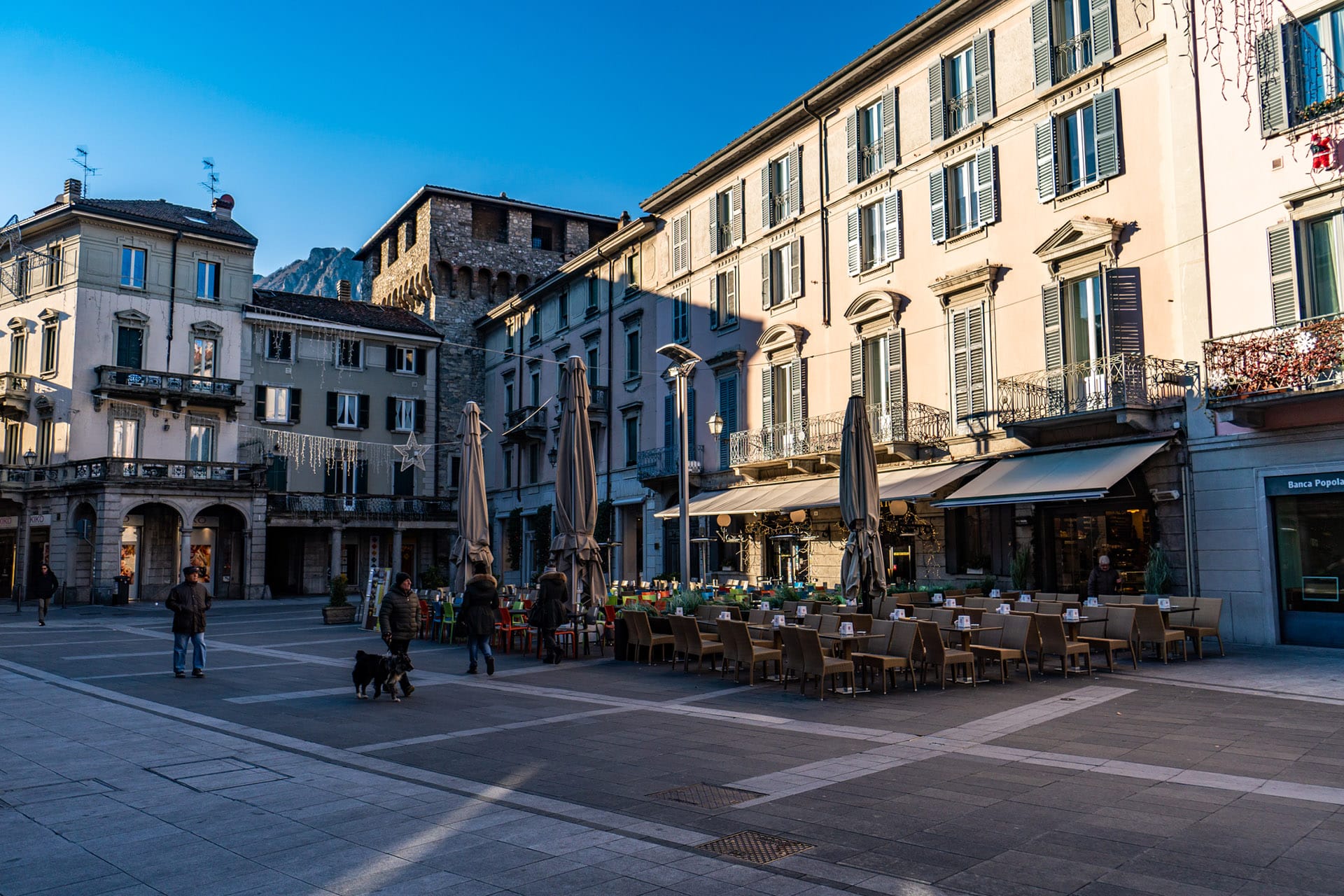
The historic centre and the Viscontea Tower Leaving Villa Manzoni, the route enters the city centre. Here the memory of the "Promises" is intertwined with the oldest history of Lecco. TheValley of the Walls and the Viscontea Tower recall the ancient fortified system of the city.
The Viscontea Tower is the only part of the Visconte fortifications that remained intact after the demolitions of the walls. At the time told by Manzoni, the castle of Lecco housed a Spanish garrison, just that military presence that is the background to some events of the novel.
Continuing, you will meet Piazza Manzoni and the monument dedicated to the writer, before arriving to one of the most significant places of the entire itinerary.
The Azzone Visconti Bridge: where the lake becomes Adda The Azzone Visconti Bridge**, also known by the Lecco people as Ponte Vecchio, is one of the symbols of Lecco. Built between 1336 and 1338 by the will of Azzone Visconti, the bridge connected Lecco with the road to Milan and represented an important strategic infrastructure.
But his connection with Manzoni is mainly geographical and literary. In the novel the bridge becomes the point that marks the passage between the Lecco branch of the lake and the river Adda. It is one of those places where the real geography and the narrative coincide almost perfectly.
Crossing it today means retracing one of the most recognizable passages of the setting of the Promises Sposi and, at the same time, observing the point where the landscape changes: the water, the mountains and the city seem to concentrate in a single glimpse.
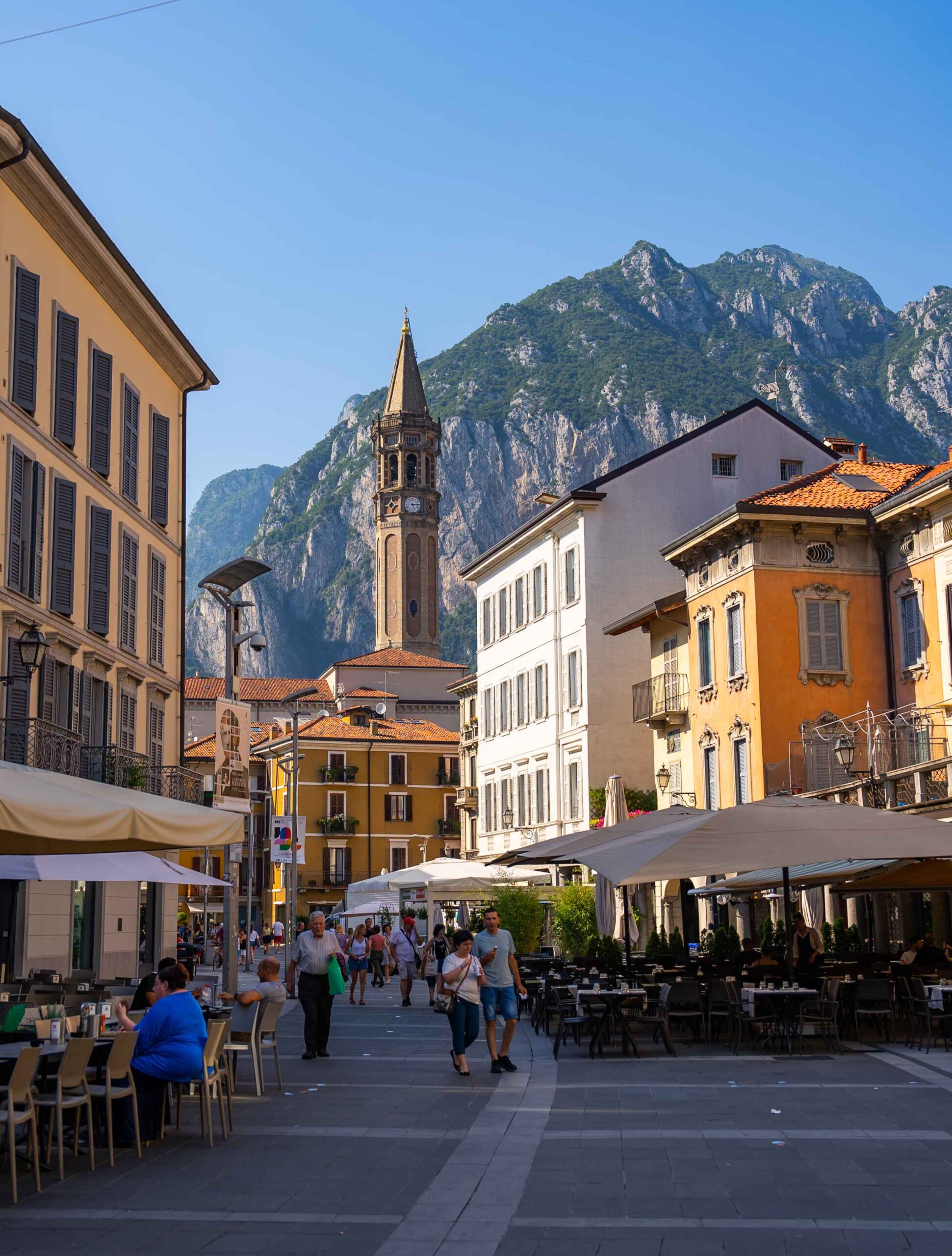
Pescarenic: the village of the "Adio ai monti" If there is a place more capable of restoring the atmosphere of the "Promises" (Spoken Promises), this is Pescarenic. The ancient fishing village develops along the "Adda" and is one of the most recognizable places of Lecco. The narrow streets, the houses overlooking the water and the relationship with the river have preserved a particular character, which still makes the neighborhood immediately recognizable. It is here that one of the most intense moments of the novel is located: the departure of Lucia and the famous Addio agli monti.
Far from its own land, Lucia looks for the last time at the mountains, houses and landscape known. The territory becomes an integral part of the scene: it is no longer just a background, but something from which the protagonists must separate.
In Pescarenico there are also the church of San Materno and the former convent of the Capuchins linked to the figure of Fra"Cristoforo, in addition to the pier where you can see a lucia, the typical Larian boat associated with the escape of It is probably the place where you can see why talking about Lecco as the city of Promessi Sposi is not just a tourist definition.
Acquate: on the trail of Don Abbondio and the Bravi From the water you go up towards the districts of the upper part of the city. To Acquate Manzoni's memory is linked mainly to the initial events of the novel. Here tradition places some places related to Don Abbondio, Renzo and Lucia, including the place of the meeting between the curate and the Bravi.
It is precisely the meeting with the Bravi to open the story of the "Promises Spouse": Don Abbondio is returning home when he is stopped and threatened so that he does not celebrate the marriage between Renzo and Lucia. Today the place has profoundly changed compared to the seventeenth century, but the district preserves that structure made of streets, inhabited nuclei and slopes that still allows to read the territory through the Manzoni narration.
In Acquate tradition also identifies one of the possible ** houses of Lucia**, while from the area you can see the place where the so-called Palazzotto di Don Rodrigo was located.
Olate: Lucia's house and the village of Renzo and Lucia Next to Acquate, also Olate is one of the districts most associated with the Manzoni places. Tradition here identifies one of the supposed houses of Lucia and the place of the church where Renzo and Lucia should have crowned their marriage. It is important to speak of presumed houses and places traditionally identified, because not all correspondence between the real geography and that of the novel can be considered certain.
And this is one of the most fascinating aspects of the itinerary: over the centuries the city has built a real Manzoni memory, in whose documented history, local tradition and literature meet. Water and Olate thus become not only stages of a journey, but neighborhoods in which the memory of The promised spouses continues to live.
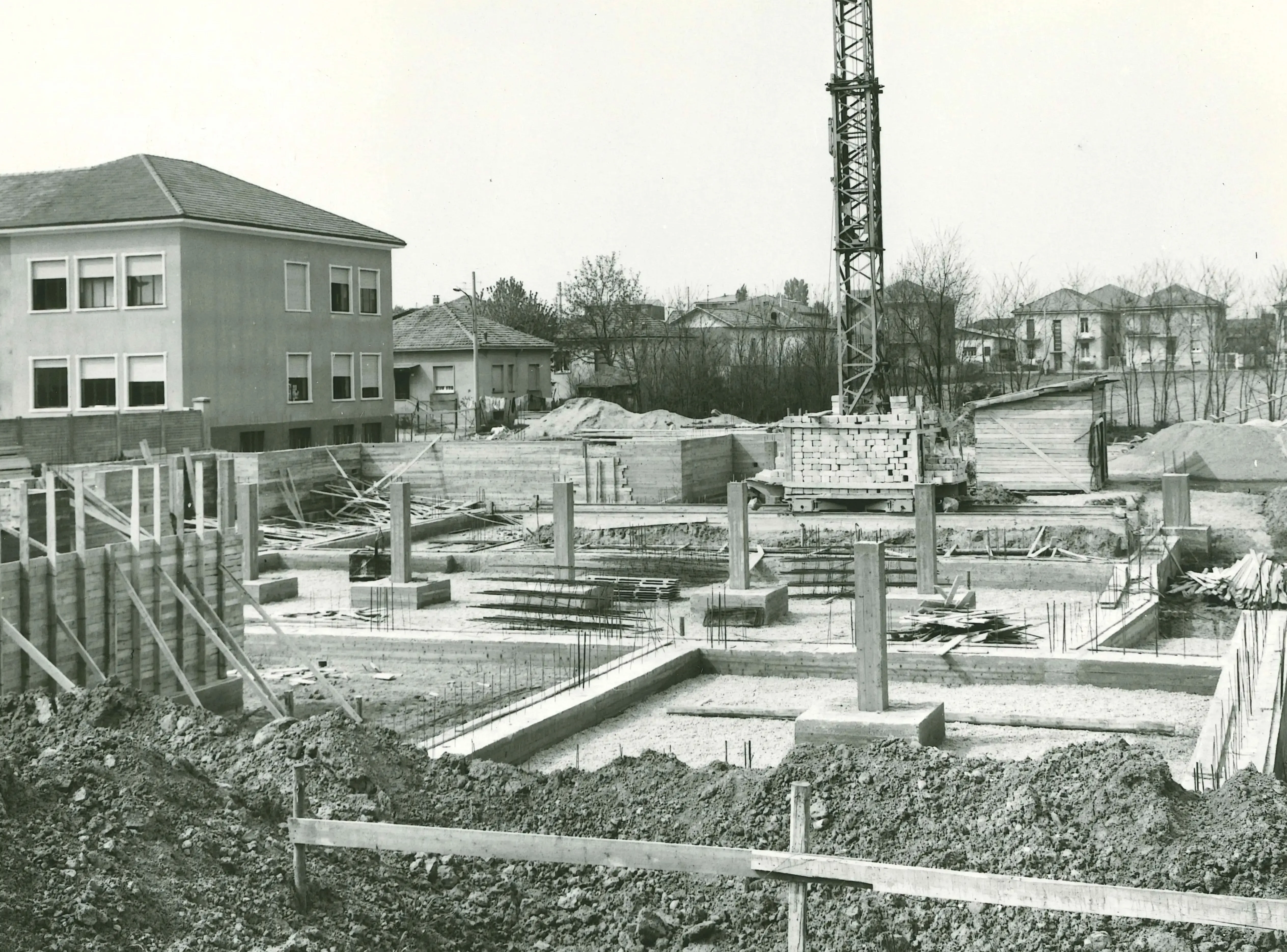
The Palazzotto di Don Rodrigo Among the most evocative places of the itinerary there is the one linked to Don Rodrigo. The palazzotto described by Manzoni no longer exists: the sixteenth-century building was demolished in 1937. In its place today stands a building of later era. However, its absence is part of the history of the place. Following the Manzoni itinerary means in fact also confronting what has changed. Lecco is not an open-air museum that remained still at the time of the novel: it is a contemporary city that preserves, within its transformations, the traces of its own history. It is precisely this overlap between past and present that makes the path interesting.
** Closed: on the trail of the Innominated** The journey to the Menzonian places of Lecco continues southwards, until the district of Closed. Here the narrative changes tone and focuses on the figure of the "Innominated**," one of the most complex characters of the "Promises" of the "Sposi."The church of Santa Maria Assunta is traditionally linked to the conversion of the "Innominated," while in the vicinity is the House of Sarto, linked to the story of Lucia after its liberation.
Here the landscape accompanies one of the most important transformations of the novel: that of a powerful and violent man who, after meeting Lucia and Cardinal Federico Borromeo, enters a deep inner crisis.
* Vercurago and the Fortress of the Innominated** The last section of the route leads beyond the boundaries of the city of Lecco, to Vercurago, in Somasca. Here the Fortress is traditionally identified with the Castello dell'Innominato, one of the most evocative places of Manzoni's imagination. From the upper part of the fortress the landscape opens onto the lake and mountains, restoring one of the strongest characteristics of the entire territory: the continuous relationship between water and reliefs.
The castle of the Innominata is therefore an ideal point of arrival of the route: from the house of Manzoni to the fishing village, from the districts of Renzo and Lucia to the fortress of the character that represents one of the decisive passages of the novel.
The Manzoni places of Lecco: an itinerary between literature and territory Following the Manzoni places in Lecco means crossing a city built on several levels of memory. There is Lecco by Alessandro Manzoni, that of childhood memories and landscape observed by the Villa del Caleotto. There is Lecco of the Promessi Sposi: Pescarenico, l'Adda, the Ponte Vecchio, Acquate, Olate, Don Rodrigo, Lucia, Renzo, Fra' Cristoforo and L'Innominato.
And then there is the contemporary Lecco, which continues to transform The value of the Manzoni itinerary is right here: it is not just a matter of looking for the places described in a book, but of discovering how a real territory entered the collective imagination through literature. Walking from Villa Manzoni to Pescarenico, crossing the Ponte Azzone Visconti, going up towards Acquate and Olate and arriving up to Closed and Vercurago, the landscape of Lario becomes a sort of thread. The mountains, water, villages and the city are still there.
Times have changed, roads have changed and buildings have changed. But there is still the possibility to recognize, between one neighborhood and the other, that geography that Manzoni transformed into literature. And this is perhaps the most authentic way to discover Lecco, the city of Promessi Sposi.
To view videos, enable external content in your cookie preferences.