Combined systems are spreading increasingly in Italian homes. They represent a valid solution for heating the entire house, innovative and convenient as well as ecological. Over the last few years this type of plant has been particularly distinguished for the benefits that guarantee a wide range of affordable advantages.
Why choose a combined system? Advantages and features
- ** Combined plants are fed with renewable energies such as sun and wood.** For this reason, energy and economic savings are evident, reaching 70% compared to traditional methane plants.
- For the installation of combined systems are tax deductions for energy redevelopment are expected. An extremely advantageous choice for your pockets and the environment
- Attention to ecology. Combined plants allow to heat without polluting: Carbon Footprint is zero since the wood emits the same amount of carbon dioxide that is absorbed by plants. The sun is the natural energy par excellence.
- Thanks to the combined systems the house will be more welcoming: the heat of the flame and the optimal thermal comfort are two authentic strengths
How do combined systems work? The best solution for heating the house
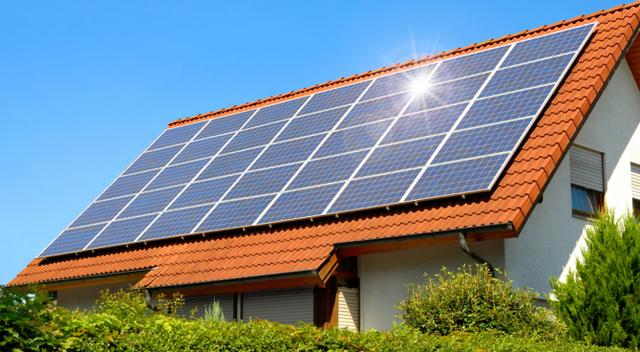
- The water of the combined system is heated by the sun, by means of photovoltaic panels, and by wood by means of the thermo-caminas
- The heated water is thus accumulated in a puffer
- At that point, hot water is distributed to the various plants of the house via an electronic control unit.
Combined plants: sun and wood, the solution for affordable heating Combined systems are perfect for producing hot water for sanitary use and for heating environments. They are a particularly convenient solution if you have a high heating requirement between October and April, in a well insulated thermal building and equipped with an efficient boiler. Combined systems guarantee high heating performance, exploit solar radiation for heat generation, get economic benefits in your bill.
To view videos, enable external content in your cookie preferences.