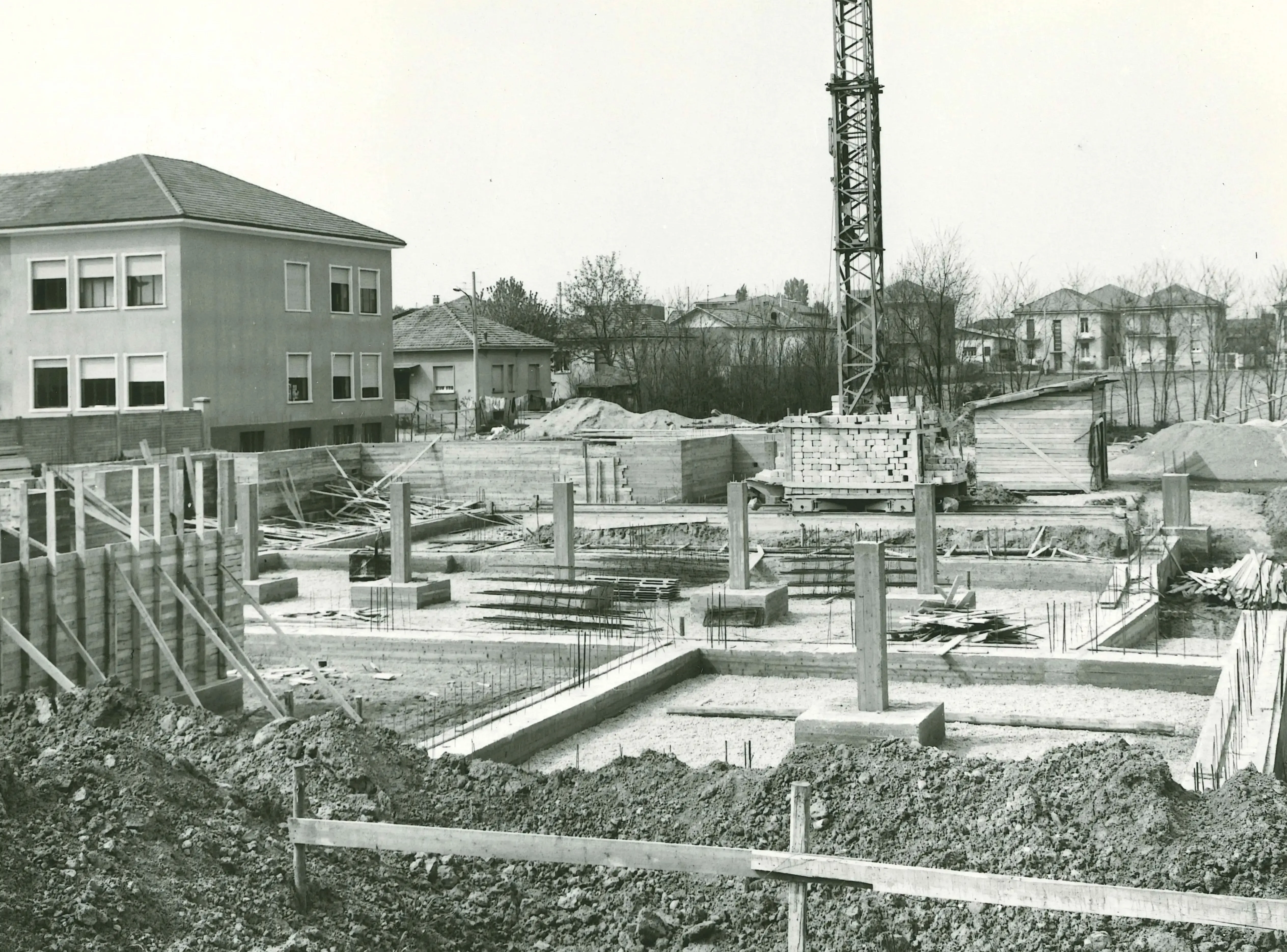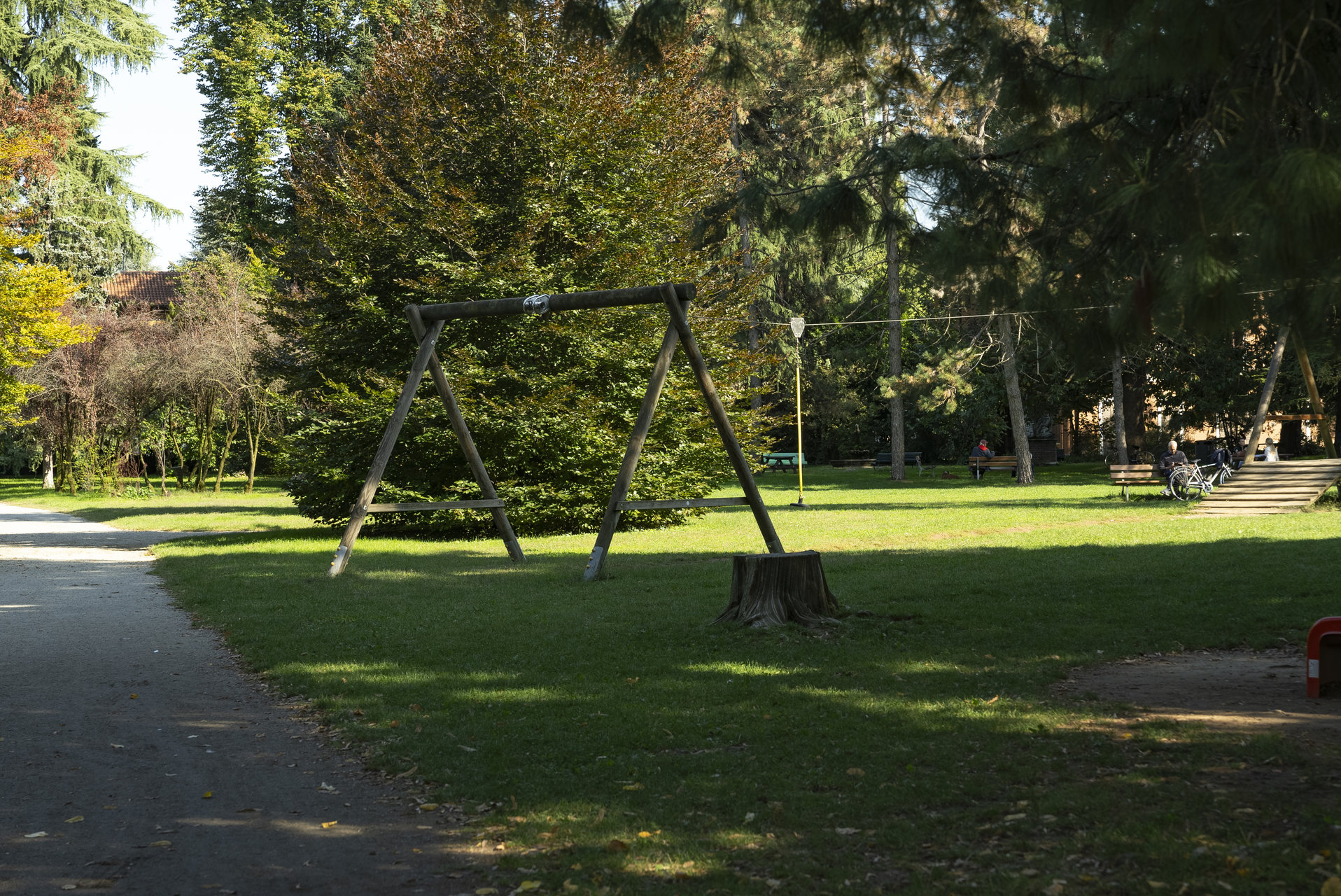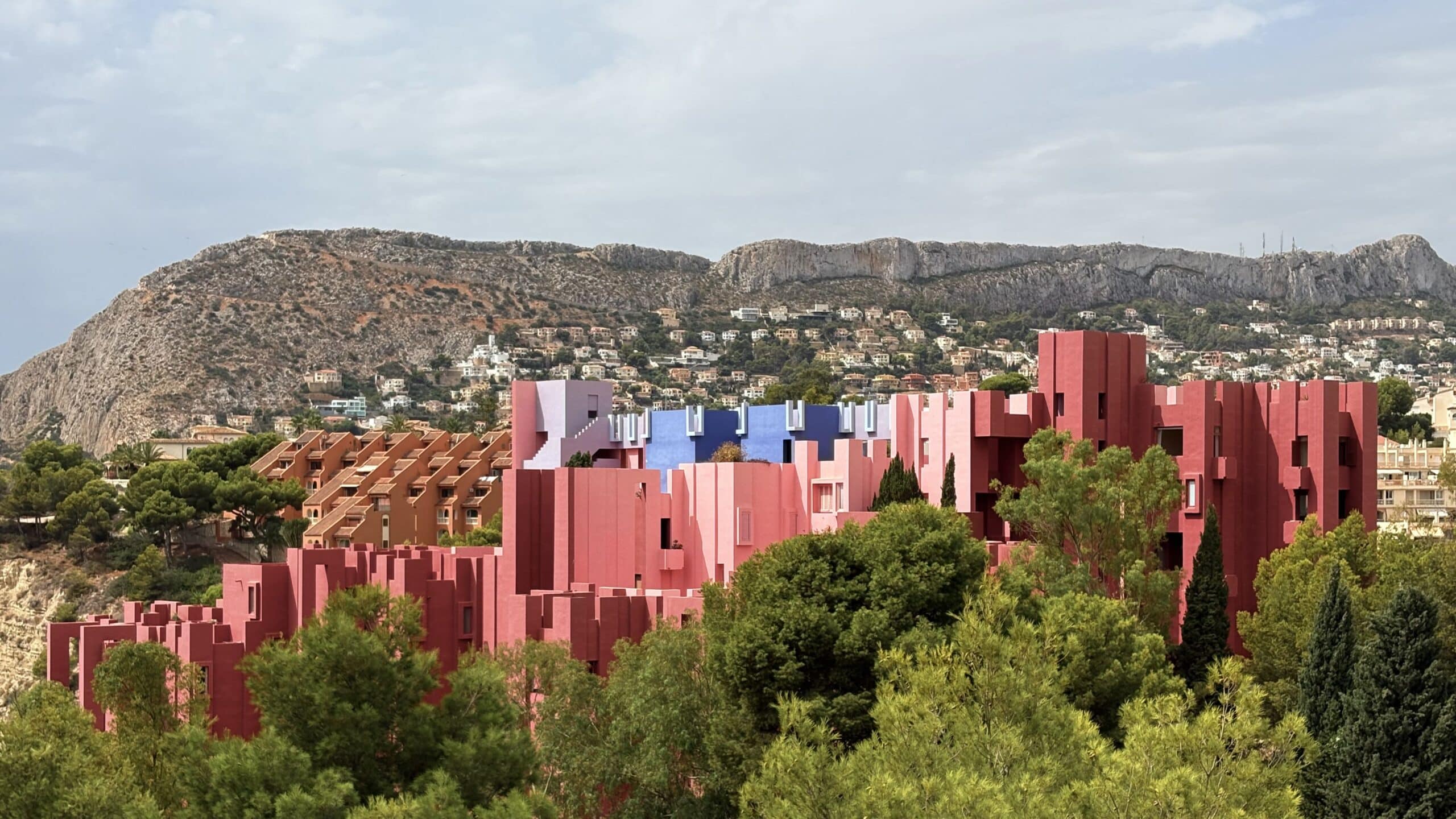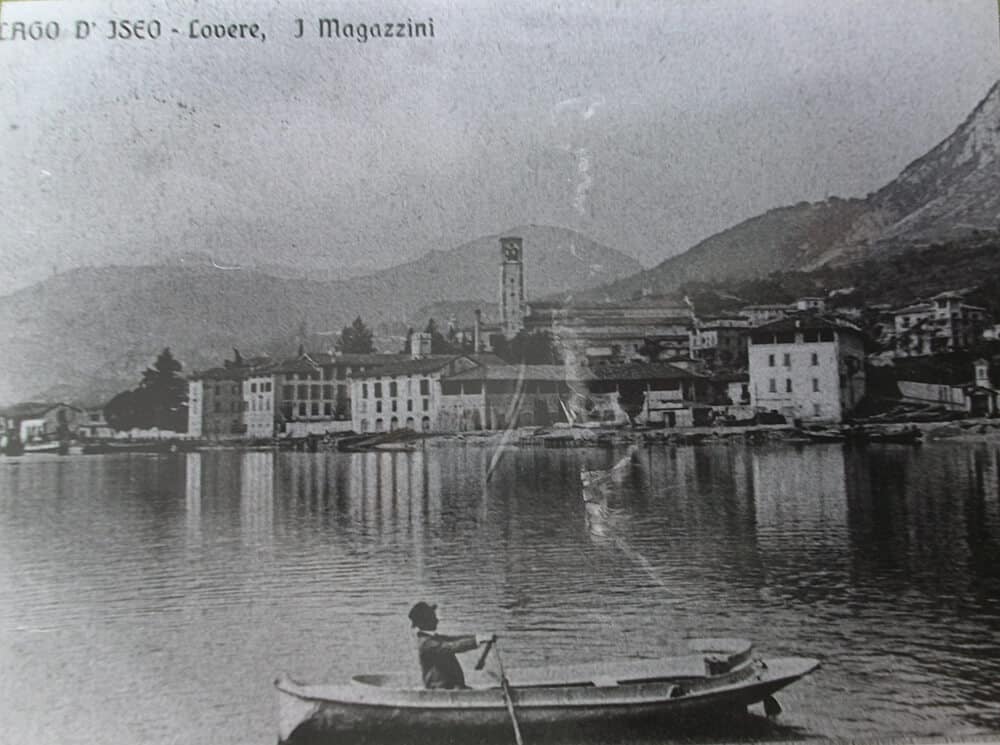
"In vain, magnanimous Kublai, I will try to describe the city of Zaira [ But the city does not say its past, it contains it as the lines of a hand, written in the corners of the streets, in the grids of the windows, in the sliding of the stairs (Italo Calvino, Le city Invisibili, Einaudi, Turin 1972, pp. 18-19). The restoration blows a new soul in an ancient building. Before the scaffoldings are mounted, the works begin in the archive so that the documents guide the intervention. The stories of a house are like its foundations: invisible, bearing and plural. The corn pulps in the humblest mattresses, the mustache rebooted with paraffin, the shades of oil-light, the braids of the singles or the chignon of married women. Something of this past does not pass but remains in the architectures, making them elegant and warm. Napoleonic and Lombard-Veneto ( Acts of formation, maps, summary, transports of extimes and books of matchers happen to the table of the archivist. So crisp maps often allude to a notary act, which can attach the description of the house or even the inventory of its furnishings. The documents are on the shelves, therefore, and the shelves in the archives. But this scattered skeleton of civics, estimates, dates and names demands a meat told to be reborn really. It is necessary to go through the lives of the owners: the noble coat of arms on the door or the wealth gathered with rough hands; wives kissed at the altar and arms that protruding the children at the baptismal font. The sick person must exhibit a certificate of confession signed by the priest, so that the doctor returns to his bedside. Sarti are often barbers and the barbers surgeons, competent at least for the bloodsavers. On the lips of the baptized the priest puts salt, a wise symbol, before instilling the blessed water on their head. But colorful dialect expressions wish the child to act backwards, keeping water in his mouth and salt in pumpkin. The century is made of days and details. Only this patient research inspires the restoration, so that he finds the features of a historic building and joins here the oldest verbs: living, being, living. Photo Archive Demetrio Oberti • Lovere
To view videos, enable external content in your cookie preferences.