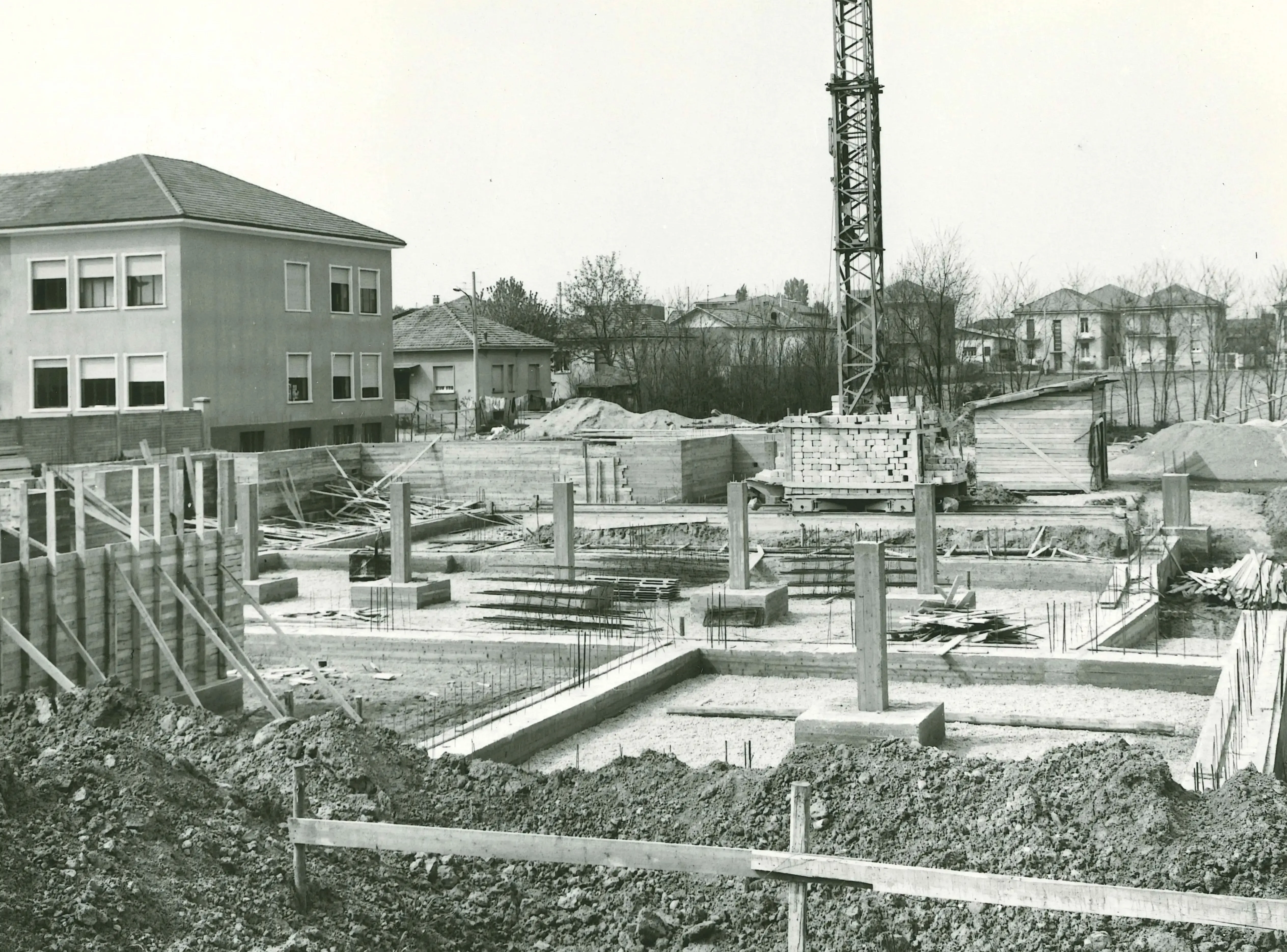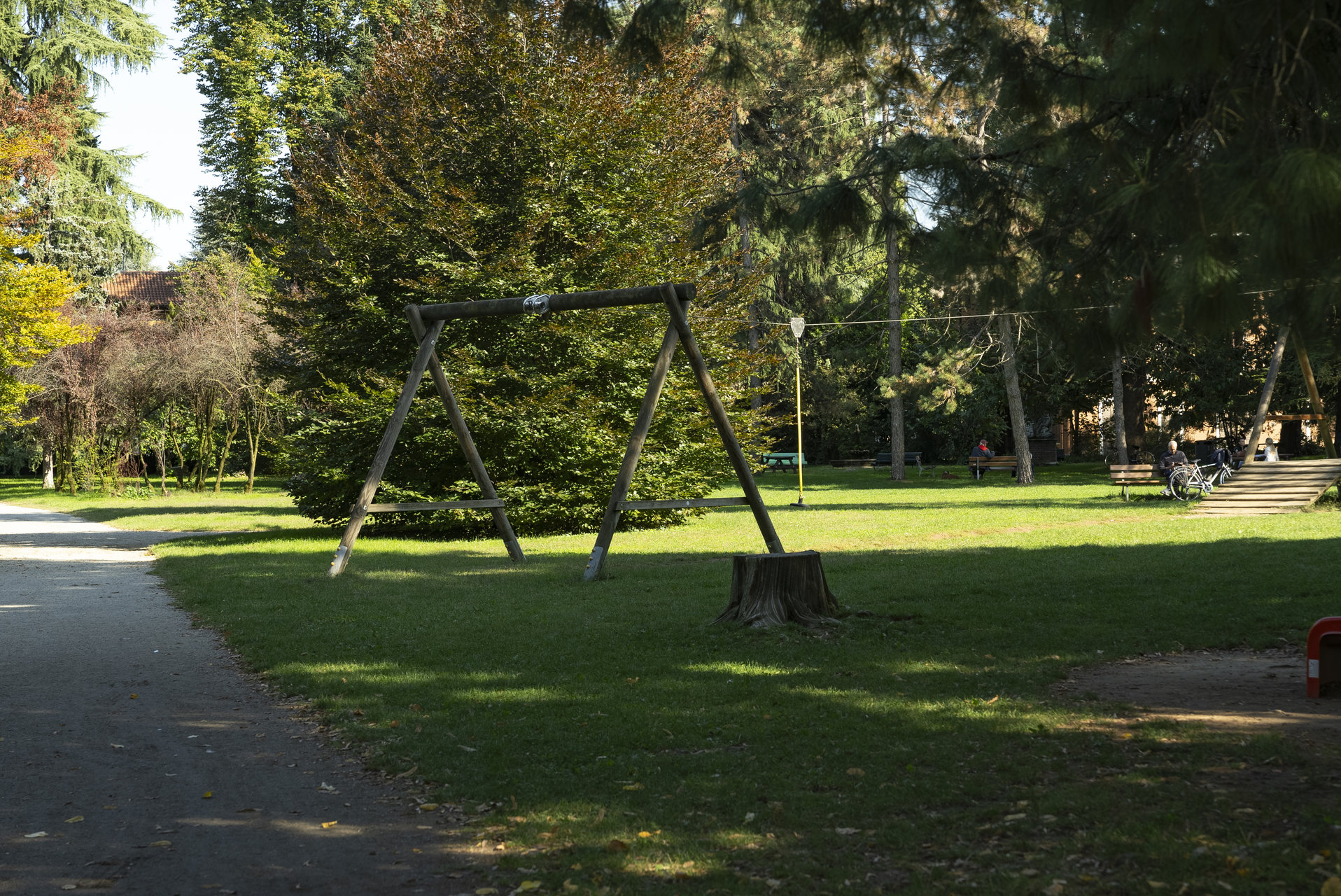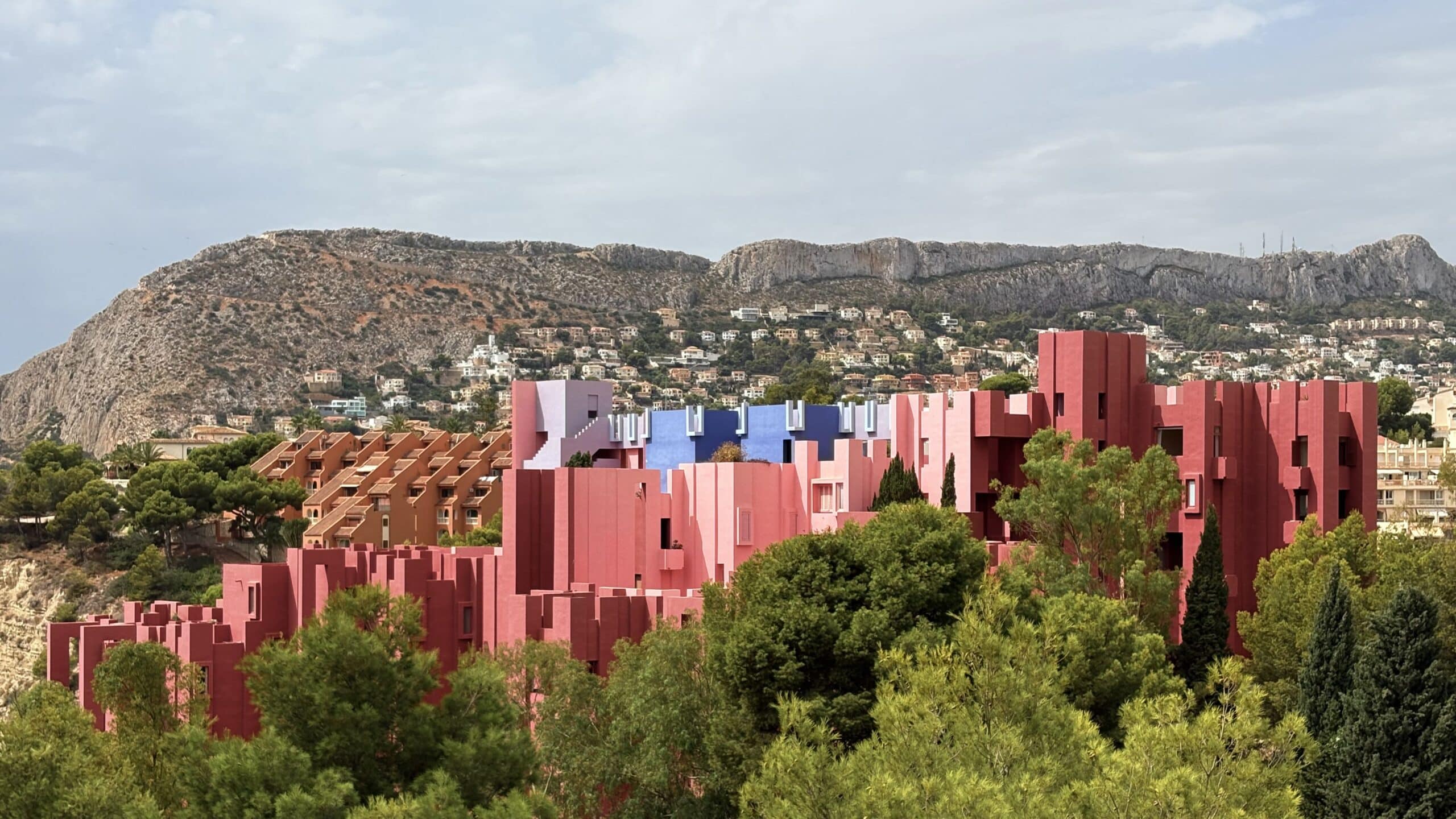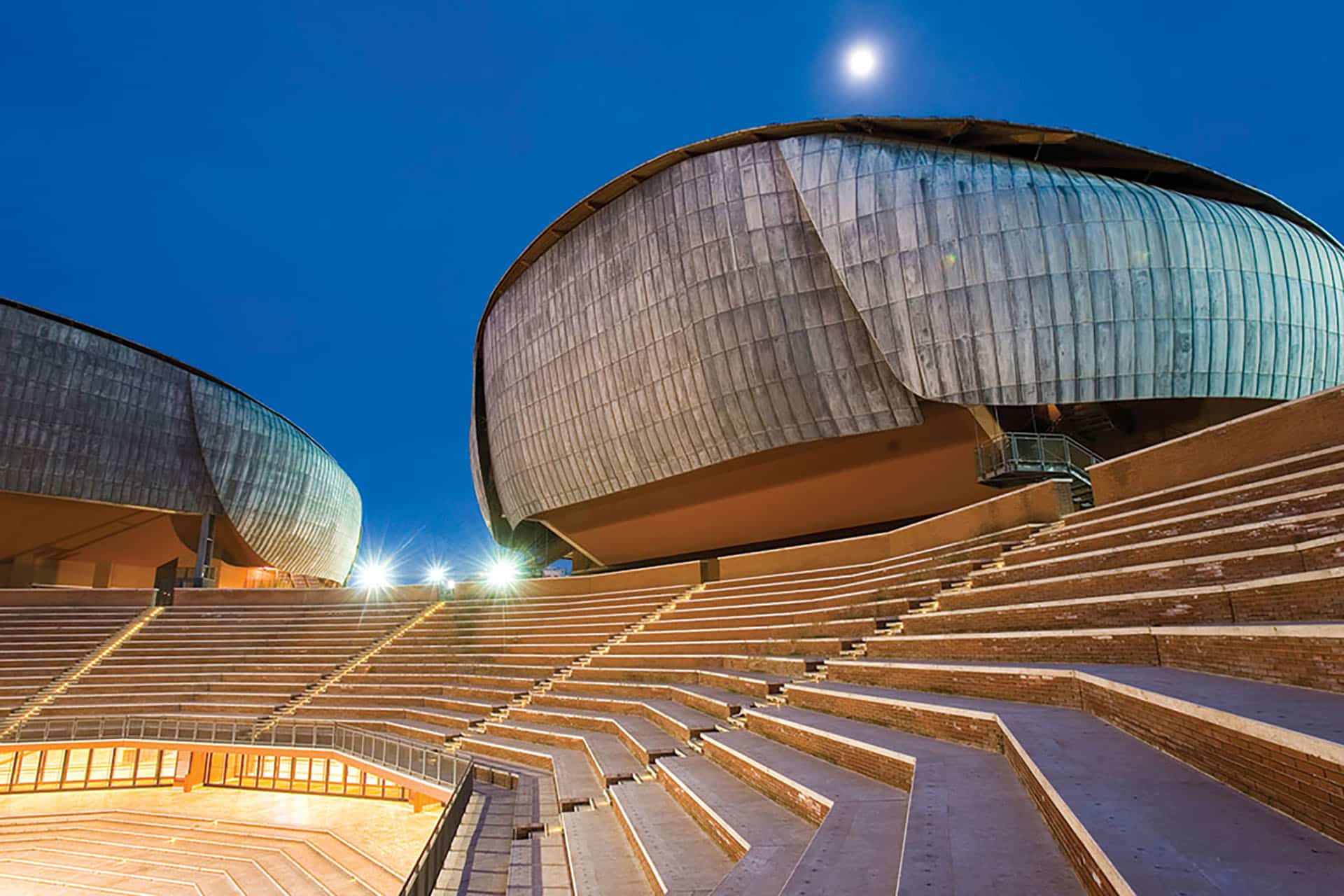
** Architecture is never a purely aesthetic or technical exercise. Each building, every designed space, has a direct impact on the lives of the people who live it, on the urban fabric in which it fits and on the natural environment around it**. Building means taking responsibility that goes beyond the simple organization of walls, openings and installations: it means reflecting on the social, cultural and environmental consequences of the design choices, and ensuring that every space becomes an instrument of well-being, harmony and sustainability. An ill-designed intervention can limit freedom of movement, hinder relationships, and compromise the quality of the urban environment. On the contrary, careful and conscious design transforms buildings into places that can enhance people's lives and strengthen the sense of community. The architecture centered on man is not a trend, a style or a methodology, but a concrete approach: it is based on solutions that have the objective of optimising the relationship between people and buildings, effectively responding to the needs of a community and improving the quality of daily life. The house represents the most direct and tangible example of this responsibility. Not only a refuge from the outside world or a container of objects, but the space in which memory, everyday gestures, relationships are woven. Ethnographic studies on home space emphasize that every room, every path and every opening of the house has a social meaning: it translates needs, identity and relationships into architecture, making it live a conscious and relational experience. To shape a house means therefore to observe carefully how people live and interact, anticipate their needs and translate them into functional solutions. The entrance must welcome and orient those entering, living favor exchanges and relationships, the kitchen become a heart beating of creativity and conviviality, the rooms offer protection and intimacy. The house is made of paths, light, materials, atmospheres that transform with the time and life of those who live in it. Each architectural choice therefore contributes to creating a coherent and deeply human living experience. A project does not exist isolated, but constantly dialogues with the context in which it fits. Architecture carefully observes the city, the neighborhood, the landscape, the public spaces and the surrounding infrastructure. The orientation of the buildings, the relationships between interior and exterior, the visual permeability, the noise management and the protection of privacy become essential design tools. Each house, every building, every built space contributes to the overall quality of the urban fabric: it can enhance the neighborhood, improve the use of public spaces, create continuity between interior and exterior, or on the contrary it can generate disharmony and fragmentation. The ability to insert a building in a harmonious way in the urban context is therefore an integral part of the responsibility of the architect. Understanding the history of the places, respecting the Staircase OF the neighborhood, enhancing the presence of the green and the existing infrastructures means creating a balance between the new and the existing, between function, aesthetics and memory of the place. Moreover, the responsibility of the designer goes beyond and extends also to the sustainability and durability of the spaces. Buildings must be adaptable to changes, flexible to accommodate new needs and sufficiently resilient to integrate technological, plant and behavioural evolutions. A conscious design puts man at the centre, but also includes consideration in the environment, reducing energy waste, using durable and ecosystem-friendly materials and optimizing natural resources such as light, air and water. In this process, the role of the designer and the manufacturer is fundamental. Responsibility is not exhausted in the design: every idea must translate into a concrete, safe and lasting reality. The quality of construction, the choice of materials, the attention to detail, the management of the site and the integration with plants and infrastructures determine the solidity of the project. An attentive company explains the responsibility in the accuracy of the work, in the safety of the work, in the respect of the times and constraints, in the sustainability of the processes and in the valorization of the available technologies. It is thanks to this combination of conscious vision and competent construction that a building becomes really habitable. Today, technology offers extraordinary tools to create more aware spaces, however, innovation cannot replace human responsibility: it must be at the service of people, gestures, relationships that are created in the spaces and respect of the urban and natural context.
Projecting with responsibility means translating these reflections and building the future It means transforming sensitivity, competence and knowledge into concrete spaces. It means creating living spaces, centered on man, integrated into the city, capable of lasting in time and improving the quality of life of those who live there and of the community around them. Each choice is an ethical act that affects the quality of life of those who live, the welfare of the community and the balance of the territory. Construction thus becomes an instrument of well-being and harmony, a concrete commitment that combines architecture, sustainability and social responsibility.
The house remains the clearest symbol of this responsibility: human space par excellence, place of daily relationships and gestures, laboratory of emotions and memory. A house conceived with awareness not only welcomes those who live in it, but dialogues with the city, enhances the context and integrates the innovations necessary to live better and in harmony with the environment. It is the concrete example of how architecture, project and construction can be transformed into an act of care towards people, territory and society.
To view videos, enable external content in your cookie preferences.